

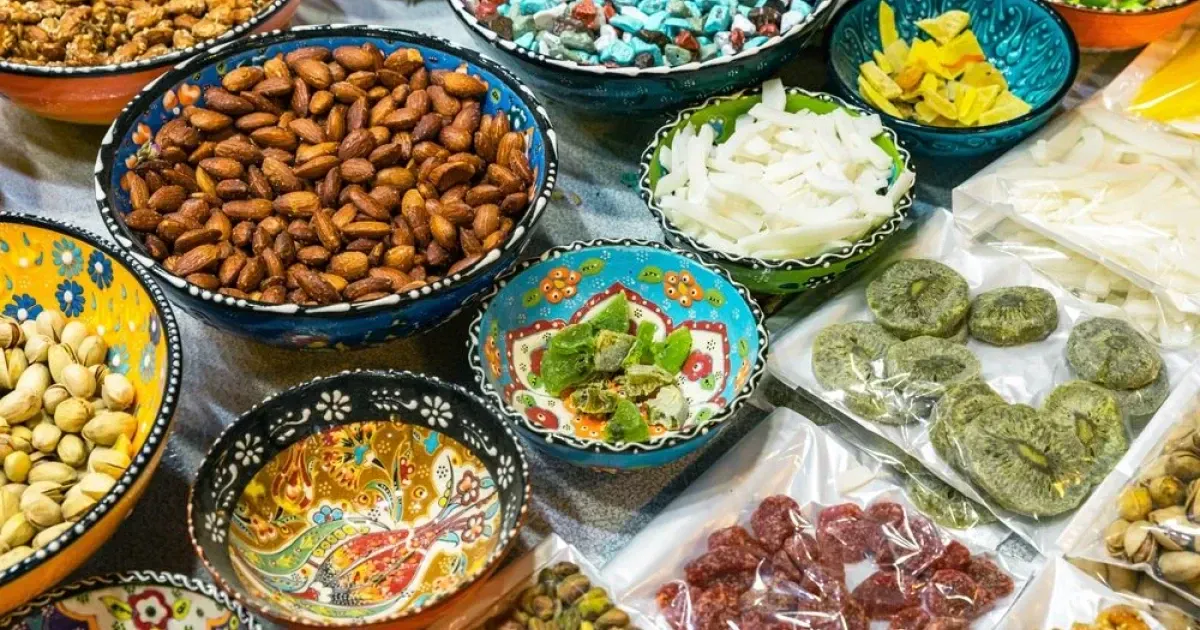
Traveling to Oman is not just about exploring deserts, beaches, and mountains. It’s also about diving into a unique cultural journey through food. Traditional Omani Food is a flavorful blend of Arabian, Indian, Persian, and African influences, making every dish a memorable experience. Whether you’re visiting Muscat, Salalah, or a small desert village, your taste buds are in for a real adventure.
Here are ten must-try dishes from the heart of Omani cuisine that every visitor should experience.
1. Shuwa – A Slow-Cooked Festival Dish
Shuwa is one of the most famous dishes in Traditional Omani Food culture. It is typically prepared during festivals like Eid. The dish consists of marinated lamb or goat wrapped in banana or palm leaves and cooked underground for 24 to 48 hours. The result is extremely tender meat infused with rich spices and smoky flavor. For tourists, tasting Shuwa is a rare and unforgettable experience.
2. Majboos – Oman’s Spiced Rice Specialty
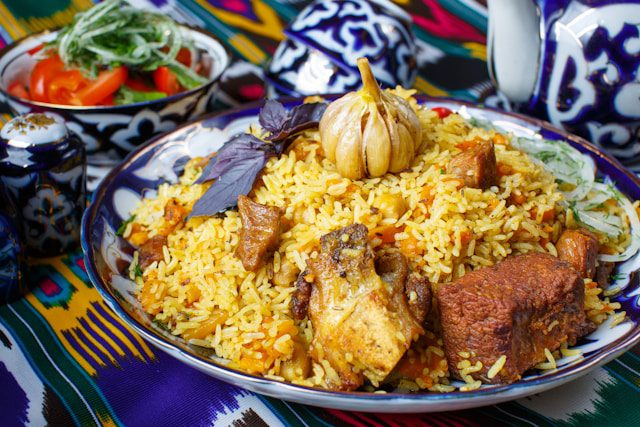
Also known as Kabsa in other parts of the Gulf, Majboos is a flavorful rice dish cooked with saffron, cinnamon, black lime, and cardamom. It is usually served with chicken, lamb, or fish. The spices used are subtle yet aromatic, offering a true representation of Traditional Omani Food. It’s commonly eaten during family gatherings and special occasions.
3. Mashuai – A Taste of the Omani Coast
Mashuai is a dish made from grilled kingfish served with lemon rice. This dish is especially popular in coastal cities like Muscat and Sur. The fish is marinated with light spices and grilled until perfectly tender. The zesty lemon rice pairs beautifully with the soft texture of the fish. It’s a light and healthy option that still delivers the rich essence of Traditional Omani Food.
4. Harees – A Comforting Ramadan Favorite
Harees is a porridge-like dish made of wheat and meat, usually chicken or lamb. It’s slow-cooked until the wheat completely softens and blends with the meat, forming a thick, smooth consistency. It is commonly eaten during Ramadan and is known for its comforting qualities. Harees reflects the simplicity and warmth found in Traditional Omani Food.
5. Halwa – The Iconic Omani Sweet
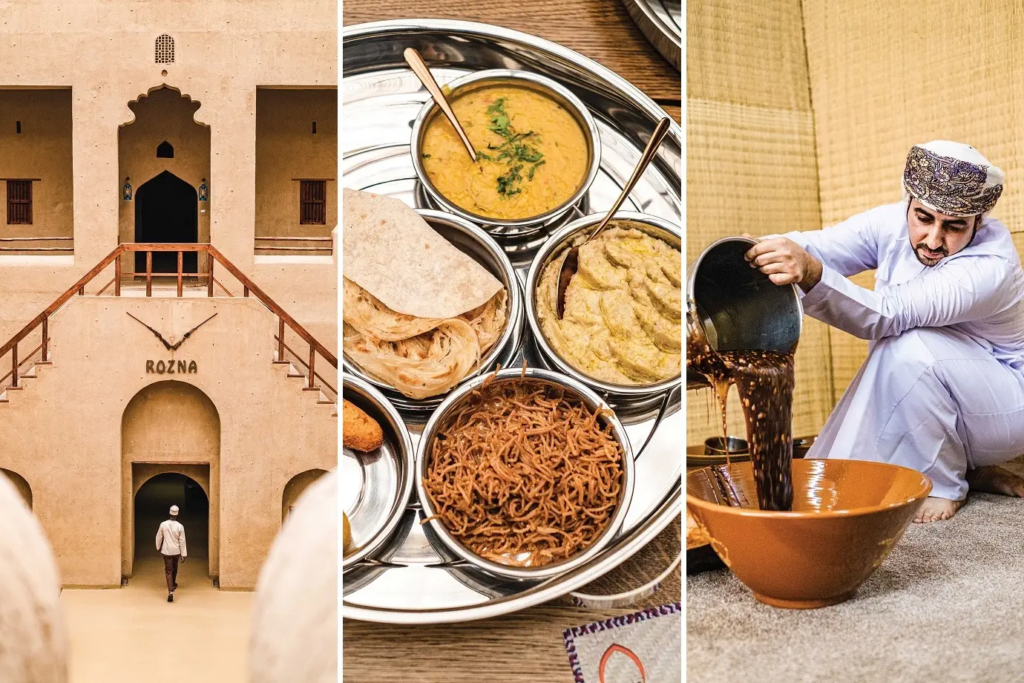
No exploration of Traditional Omani Food is complete without trying Halwa. This sweet treat is made from rosewater, saffron, cardamom, and a mix of nuts. It has a jelly-like consistency and is often served with Omani coffee as a gesture of hospitality. Halwa is a symbol of celebration and is usually offered to guests during weddings and religious festivals.
6. Mishkak – Omani Street-Style Skewers
Mishkak is a street food favorite consisting of grilled meat skewers. The meat—usually beef, chicken, or lamb—is marinated in garlic, vinegar, and a blend of Omani spices before being grilled over open flames. You’ll often find locals enjoying Mishkak at evening food stalls or during social gatherings. This dish highlights the vibrant and accessible side of Traditional Omani Food.
7. Khubz Rakhal – Omani Paper-Thin Bread
Khubz Rakhal is a traditional flatbread that is paper-thin and slightly crispy. It is often served with honey, cheese, or meat. Many Omanis eat it for breakfast or as a quick snack. It plays an essential role in Traditional Omani Food, acting as the perfect side for various main dishes and stews.
8. Laban – Refreshing and Healthy Yogurt Drink
While not a dish, Laban is an essential part of the Traditional Omani Food experience. This yogurt-based drink is lightly salted and incredibly refreshing, especially during the hot summer months. It helps cool the body and aids digestion, making it a popular choice with meals.
9. Thareed – A Hearty Bread Stew
Thareed is a dish made by soaking pieces of Omani bread in a stew of meat and vegetables. The bread absorbs the rich flavors of the broth, making each bite deliciously hearty. This dish is popular during the holy month of Ramadan and showcases the clever use of simple ingredients in Traditional Omani Food.
10. Dates and Omani Coffee – A Sweet Ending
Hospitality is central to Omani culture, and no meal is complete without a serving of dates and Omani coffee. The coffee, brewed with cardamom and sometimes rosewater, is served in small cups. The pairing with sweet dates balances the bitterness of the coffee, leaving a lasting impression on every visitor. This tradition beautifully wraps up the Traditional Omani Food experience.
Why Traditional Omani Food is Worth Exploring
Many travelers are unaware of how diverse and flavorful Omani cuisine truly is. Unlike the fiery spices of Indian food or the oil-rich dishes of the Levant, Traditional Omani Food leans toward balanced spices, slow-cooked techniques, and wholesome ingredients. This makes it both enjoyable and accessible to people from all backgrounds.
Omani food also reflects the country’s trading history. Influences from India, East Africa, and Persia are evident in the spices and cooking styles. Despite this mix, Omani cuisine has maintained its own distinct identity, rooted in tradition and hospitality.
Where to Try Traditional Omani Food
Visitors can find these dishes at local restaurants, especially in Muscat’s Mutrah area or at traditional homes through cultural dining experiences. Some well-known places include:
- Bait Al Luban (Muscat)
- Rozna Restaurant
- Ubhar Bistro
Also, during festivals like Eid or National Day, street vendors and local households prepare authentic Traditional Omani Food for all to enjoy.
Final Thoughts
If you’re planning a trip to Oman, exploring its cuisine should be at the top of your list. From rich meat dishes like Shuwa to sweet treats like Halwa, Traditional Omani Food offers something for everyone. It’s not just about satisfying your hunger—it’s about understanding a culture through its flavors.
So next time you visit Oman, skip the international chains and dive into the country’s authentic food scene. Your taste buds will thank you.
Also Read –7 Delicious Ramadan Food Customs in Saudi Arabia Revealed

