


COVID-19 transformed online education in Saudi Arabia in ways no one expected. What started as a crisis quickly turned into a digital revolution in the Kingdom’s education sector. With schools closed and movement restricted, online education became the primary mode of learning. From schools to universities, everyone had to shift gears, embrace technology, and innovate rapidly.
This article explores five major ways the pandemic changed the face of online education in Saudi Arabia, creating lasting improvements and opening new opportunities for students and educators alike.
1. Rapid Growth of Digital Infrastructure

One of the most significant impacts of COVID-19 on Saudi education was the urgent need to upgrade digital infrastructure. Before the pandemic, online education existed in pockets, mainly in universities. However, COVID-19 transformed online education in Saudi Arabia by pushing the entire nation to build and expand digital access.
The Saudi Ministry of Education partnered with tech companies to provide learning platforms such as Madrasati, iEN TV, and Microsoft Teams. These platforms became the backbone of remote education across the Kingdom. Internet providers also played a key role by improving bandwidth and offering free data packages to students.
This shift was not only about infrastructure but also about mindset. Schools and parents began to see the value of digital education as more than just a temporary solution.
2. Increased Access to Learning Across Regions
Before COVID-19, students in rural or remote areas faced challenges attending quality schools or finding resources. COVID-19 transformed online education in Saudi Arabia by removing geographical limits. Now, a student in a small village has the same access to lessons and qualified teachers as someone in Riyadh.
Online platforms provided recorded lectures, virtual libraries, and live interaction with educators. As a result, students could learn at their own pace, replay difficult topics, and attend national-level webinars from home. This digital inclusion marked a major step forward for equal access to education.
The Ministry also introduced smart devices and tablets to underprivileged students to ensure no one was left behind.
3. Rise of Teacher Digital Training Programs
COVID-19 transformed online education in Saudi Arabia by pushing teachers to become tech-savvy professionals. The Ministry of Education launched thousands of online training programs for educators, helping them master tools like video conferencing, digital assessments, and virtual collaboration.
Initially, many teachers struggled with the sudden change, but within months, they adapted and began delivering interactive lessons online. This transformation improved the overall quality of teaching and introduced creative learning strategies using videos, quizzes, and virtual group projects.
Professional development for educators became a long-term priority, and many training modules are now permanently integrated into the national teaching framework.
4. Integration of Online and Hybrid Learning Models
The education system in Saudi Arabia learned a valuable lesson during the pandemic: flexibility is key. COVID-19 transformed online education in Saudi Arabia by showing that learning can happen beyond the four walls of a classroom.
Post-pandemic, many institutions adopted hybrid learning—combining traditional classroom teaching with online tools. This flexible model allowed schools to adjust quickly to future emergencies, reduce class sizes, and offer personalized learning options.
Universities, in particular, have embraced hybrid models. Platforms like Blackboard, Zoom, and Coursera became everyday tools for Saudi students pursuing higher education.
Moreover, parents found hybrid models helpful as they could monitor their child’s progress more closely and stay involved in their education.
5. Growth of Educational Startups and E-Learning Platforms
COVID-19 transformed online education in Saudi Arabia by creating a strong demand for e-learning solutions. As a result, the country saw a rise in education-based startups and platforms offering online courses, tutoring, and test preparation.
Platforms such as Noon Academy, Rwaq, and Classera saw a significant increase in user numbers. These platforms offer live sessions, interactive content, and peer-to-peer support, which makes learning more engaging for students.
The government also supported innovation by offering funding and regulatory support to edtech companies. This environment encouraged the private sector to invest in tools that improve digital learning and make education more accessible and enjoyable.
Long-Term Impact and Future Outlook
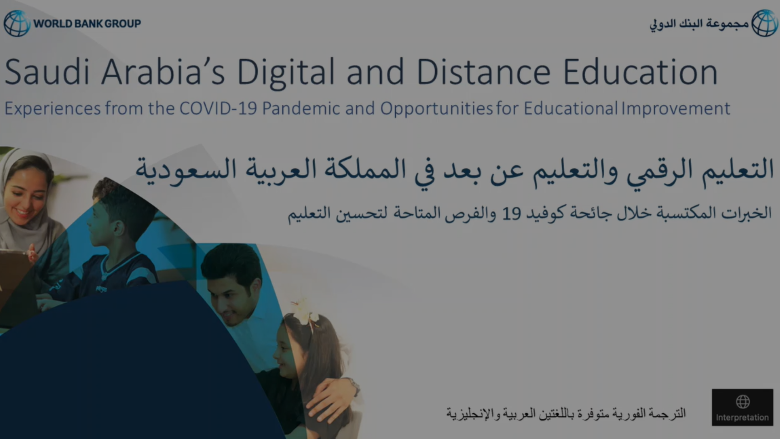
The long-term impact of this transformation is already visible. Saudi Arabia’s Vision 2030 emphasizes education as a pillar for national growth, and COVID-19 served as an unexpected accelerator of those goals.
Today, Saudi students and educators are more connected, informed, and adaptable than ever before. Schools now have the tools and experience to handle remote learning, and students are developing digital literacy skills that will benefit them in the future job market.
COVID-19 transformed online education in Saudi Arabia not just as a response to a crisis, but as a launchpad for a smarter, more inclusive education system.
Final Thoughts
The pandemic was undoubtedly challenging, but it also brought about much-needed innovation. COVID-19 transformed online education in Saudi Arabia in five positive ways—by boosting infrastructure, improving access, enhancing teacher training, integrating hybrid models, and encouraging edtech growth.
These changes are not temporary. They represent a permanent shift in how Saudi Arabia views and delivers education. The Kingdom is now better prepared for future challenges, and its students are well-positioned to thrive in a global digital economy.
Also Read – 5 Key Benefits of International Schools in Saudi Arabia

