

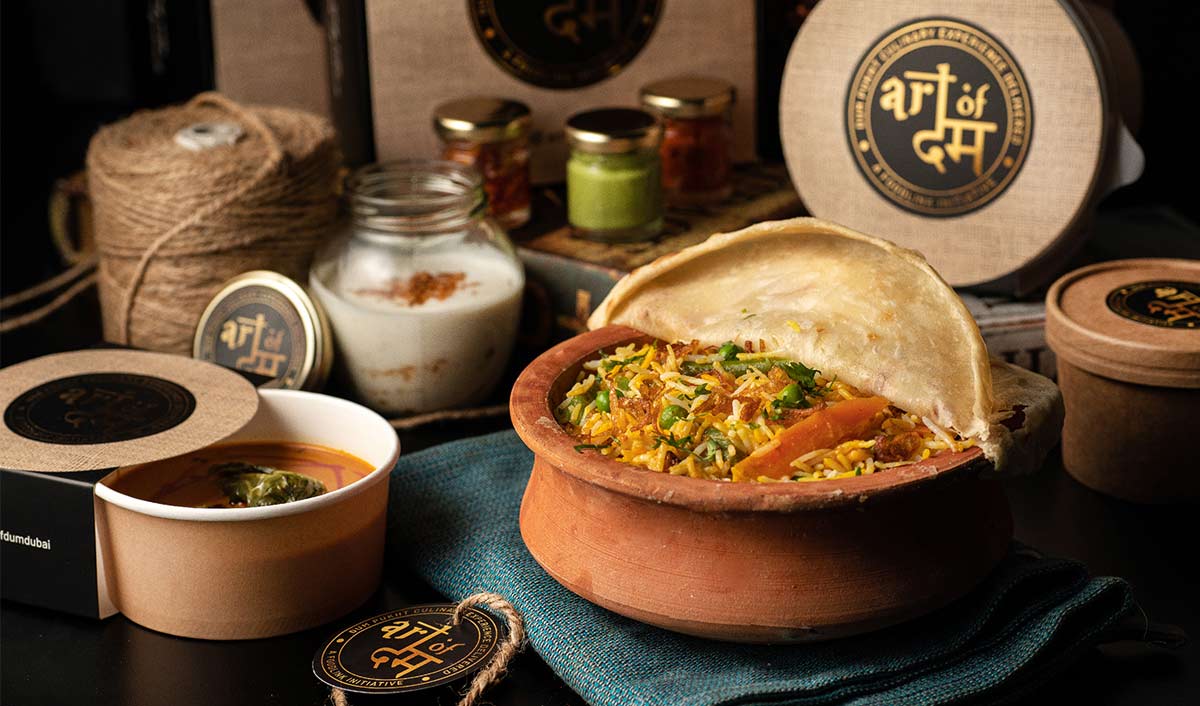
Kuwaiti Food Startups are rising as game changers in the Middle East, blending innovation with tradition to give a fresh twist to classic dishes. In a region deeply rooted in heritage, these startups are not just serving food—they are serving stories, memories, and modern experiences. While honoring the rich culinary legacy of Kuwait, young entrepreneurs are using technology, health trends, and global inspiration to reimagine what Kuwaiti food can be in the 21st century.
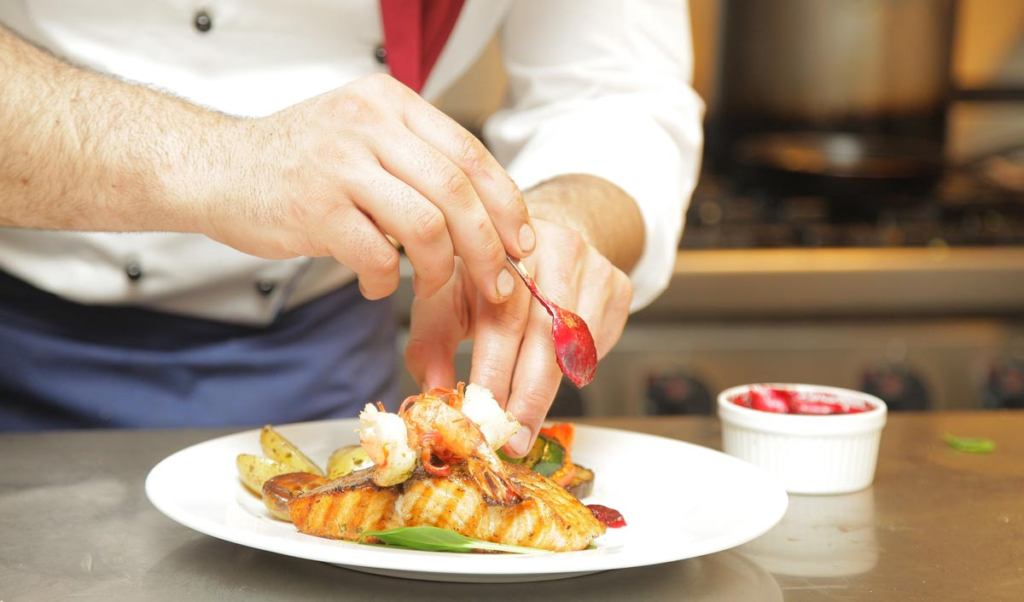
The food startup ecosystem in Kuwait has gained momentum in recent years. From cloud kitchens to smart food trucks and app-based delivery models, many Kuwaiti food startups are exploring creative paths to win hearts and taste buds. In this article, we explore seven brilliant ways these ventures are transforming the local food scene while keeping the soul of traditional Kuwaiti dishes alive.
1. Reinventing Traditional Recipes with Modern Techniques
Many Kuwaiti food startups are preserving age-old recipes but presenting them using modern cooking techniques. Instead of deep-frying, some dishes are now air-fried or oven-baked to make them healthier. Ingredients are also being substituted with gluten-free or plant-based alternatives. One example is the modern take on Machboos, Kuwait’s national rice and meat dish, which now comes in vegan or high-protein versions for health-conscious consumers.
This technique ensures the dishes are still familiar in taste but lighter on the stomach. Such innovation allows the younger generation to connect with heritage while meeting modern dietary preferences.
2. Launching Cloud Kitchens to Reach More Homes
Cloud kitchens are changing the game in Kuwait. These virtual kitchens do not require expensive storefronts and allow Kuwaiti food startups to focus entirely on food quality and delivery speed. Brands like Sukar House and Khaleeji Flavors are operating purely online, offering traditional meals with modern packaging.
This model helps reduce costs and increase reach, making traditional Kuwaiti food more accessible to customers across the city. During the pandemic, this approach helped many food startups thrive when dine-in options were limited.
3. Combining International Flavors with Local Cuisine
Fusion food is one of the biggest trends among Kuwaiti food startups. Chefs are creatively mixing Kuwaiti flavors with global cuisines—such as Japanese, Italian, or Mexican—to produce unique dishes. A shrimp Murabyan sushi roll or Balaleet pancake stack with maple syrup is now a reality.
This not only attracts younger consumers looking for exciting food experiences but also positions Kuwaiti cuisine on the global culinary map. These fusions are carefully curated so that the essence of traditional flavors is never lost.
4. Promoting Healthier and Organic Options
Health-conscious consumers are a growing market in Kuwait. In response, Kuwaiti food startups are introducing organic, low-fat, sugar-free, and keto-friendly versions of traditional recipes. Startups like Fit Kuwaiti Kitchen are redesigning menus with calorie counts, portion control, and macro-balanced ingredients.
Even desserts like Gers Ogaily (a traditional Kuwaiti sponge cake) are being offered in low-sugar or almond-flour versions. This health-first approach keeps tradition alive without compromising well-being.
5. Leveraging Social Media for Customer Engagement
One of the smartest tools used by Kuwaiti food startups is social media. Platforms like Instagram, TikTok, and Snapchat have become key spaces to engage food lovers with visually appealing videos, recipe stories, and behind-the-scenes content.
Startups like Tabkh have built loyal fan bases by showing how traditional dishes are prepared, packed, and delivered. These platforms also act as free marketing tools and feedback channels that help brands adapt quickly based on audience response.
6. Focusing on Female Empowerment and Family Recipes
A powerful aspect of the Kuwaiti food startup movement is the rise of women-led businesses. Many female entrepreneurs are building brands based on secret family recipes, adding a personal touch to every meal. Businesses such as Mama’s Taste Kuwait are becoming household names by offering dishes prepared with homely care and generational knowledge.
These women are not only keeping culinary heritage alive but also creating job opportunities and inspiring the next generation of female chefs and business owners in Kuwait.
7. Offering Cultural Storytelling Through Food
Some Kuwaiti food startups are going beyond just serving meals—they are telling stories. These startups include cultural notes, food history, or a story behind the dish in the menu or packaging. For example, a date syrup jar may come with a note about its Bedouin origins or a Harees box might tell the tale of its Ramadan significance.
This storytelling approach helps customers feel more connected to their roots and educates international audiences about Kuwait’s rich culinary heritage.
The Road Ahead: Tradition Meets Tomorrow
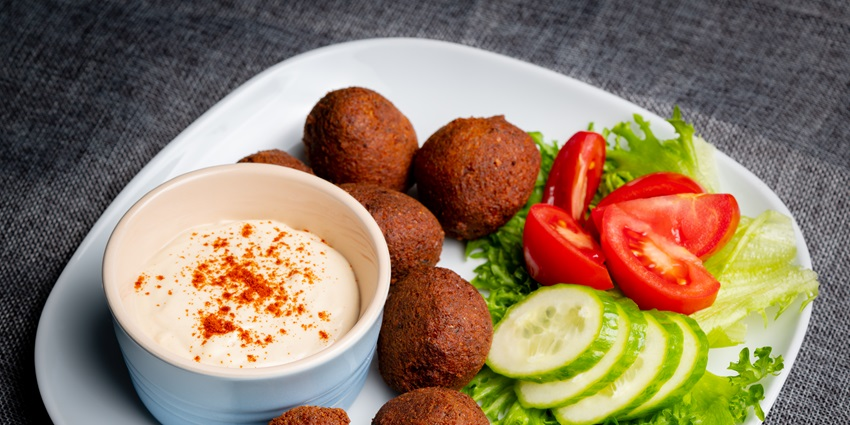
The future looks bright for Kuwaiti food startups. With strong local support, smart use of technology, and a deep respect for tradition, these businesses are redefining what Kuwaiti cuisine looks and tastes like. Investors are also showing interest in this niche sector as it combines cultural value with commercial potential.
Challenges like rising ingredient costs and competition from international chains do exist, but the passion and creativity of these startups continue to push boundaries. Many have already expanded into neighboring countries like the UAE and Saudi Arabia, proving that innovation rooted in culture can travel far.
Final Thoughts
Kuwait’s food culture is no longer confined to home kitchens or old restaurants. Through bold experimentation and digital platforms, Kuwaiti food startups are taking traditional dishes to new heights. They are not replacing tradition—they are enriching it. With the perfect balance of old and new, these startups are shaping the future of Kuwaiti cuisine, one dish at a time.
Also Read – 5 Powerful Ways Education in Saudi Arabia Drives Growth

