

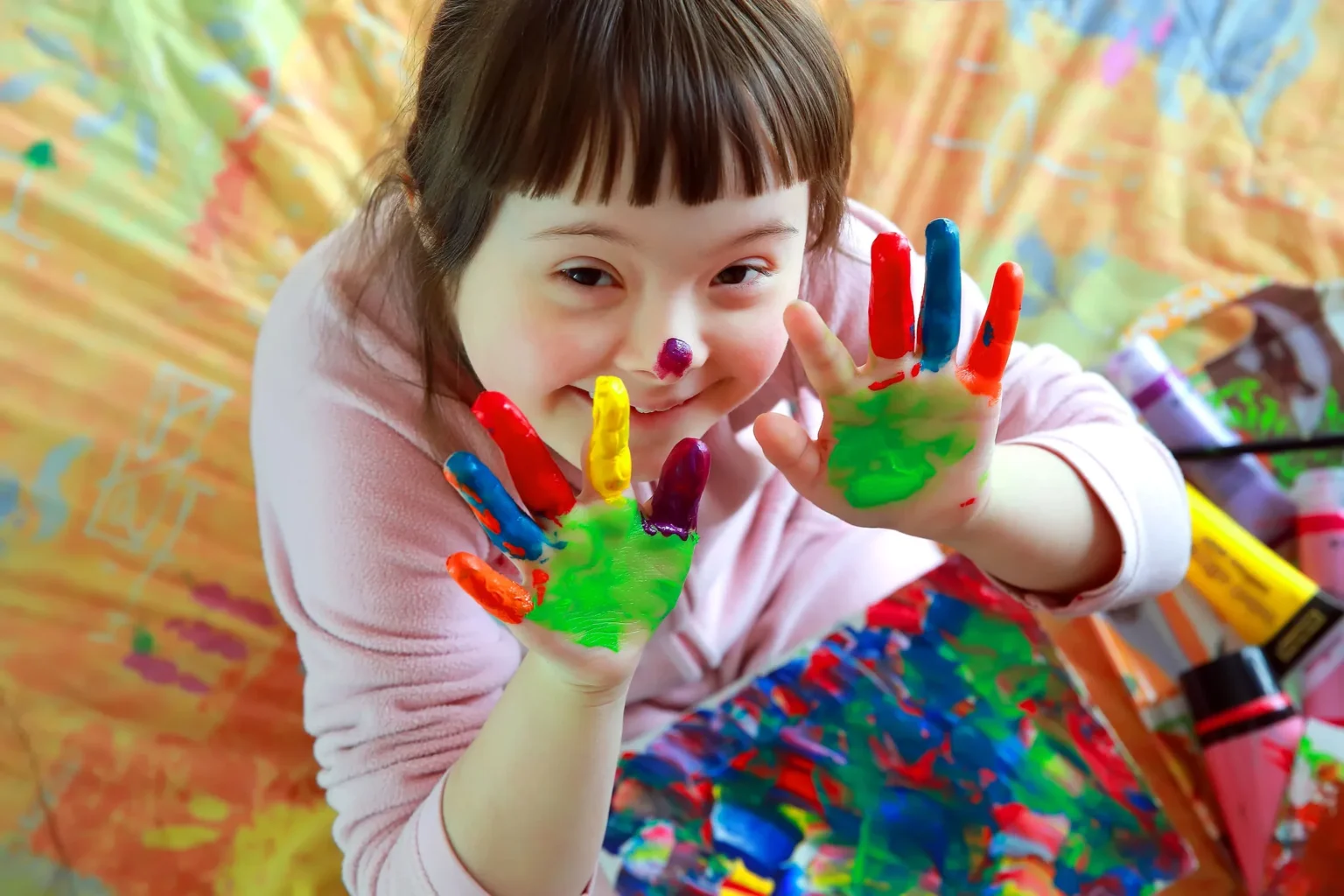
Inclusive education in Saudi Arabia is going through a powerful and important transformation. As the Kingdom modernizes its education system under Vision 2030, one of the main goals is to ensure that students with special needs are given equal opportunities, support, and learning environments.
For many years, students with disabilities in Saudi Arabia faced challenges in accessing mainstream education. But recent developments show that inclusive education is no longer a choice—it is a right.
Let’s explore how Saudi Arabia is supporting special needs students, what changes have been made, and what more needs to be done to ensure full inclusion.
Understanding Inclusive Education
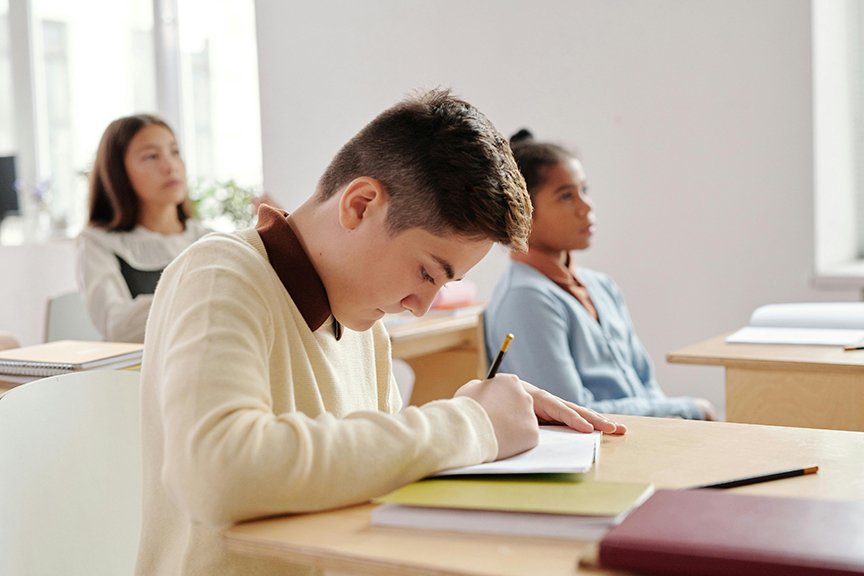
Inclusive education means every student, regardless of ability or disability, learns in the same classrooms. It involves creating learning environments that meet the needs of all students, including those with physical, intellectual, emotional, or sensory disabilities.
In Saudi Arabia, inclusive education also focuses on adjusting teaching methods, facilities, and policies so that students with special needs do not feel left out or segregated.
1. Strong Government Policies and Vision 2030 Support
One of the strongest positive developments is the government’s clear support for inclusive education. Under Vision 2030, the Ministry of Education has committed to making education more inclusive and accessible.
Government policies now require schools to create inclusive environments. This includes physical infrastructure, special education teachers, assistive technology, and classroom support.
Special education departments in schools are being upgraded to better respond to the needs of students with disabilities.
2. Increased Teacher Training and Awareness
For inclusive education to work, teachers must be well-prepared. In the past, many teachers in Saudi Arabia had little to no training in dealing with students with special needs. That is now changing.
The Ministry of Education has launched special training programs focused on inclusive teaching strategies, emotional support, and use of assistive devices.
Universities are also adding special education courses to their teacher training programs. These efforts are helping regular classroom teachers understand how to support students with various challenges.
3. Use of Assistive Technology in Classrooms
Another powerful shift is the use of modern technology to support inclusive education in Saudi Arabia. Students with visual, hearing, and mobility impairments now have access to tools such as:
- Braille devices
- Speech-to-text software
- Audio books
- Interactive learning apps
These assistive tools help students participate in class activities and complete assignments more independently.
Digital learning platforms developed during the COVID-19 pandemic have also played a key role in continuing inclusive learning for students at home.
4. Infrastructure and Accessibility Improvements
Inclusive education in Saudi Arabia is not just about teaching—it’s also about space and environment.
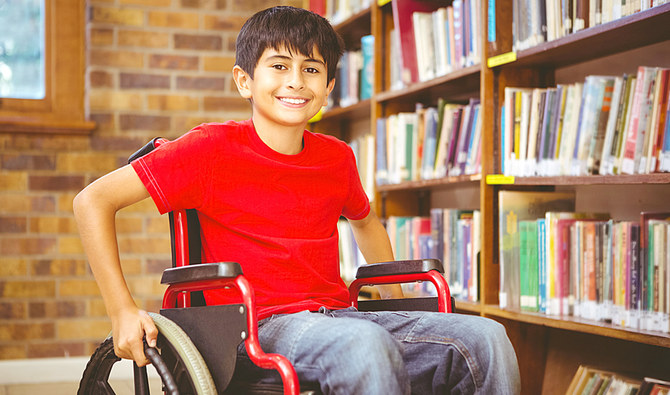
Many schools are now being updated with ramps, elevators, accessible washrooms, and signage to help students with physical disabilities move freely and safely.
While not all schools have been updated, progress is happening. New schools are being built with inclusive designs as a standard requirement.
5. Special Needs Classrooms Integrated in Mainstream Schools
Previously, most students with special needs were educated in separate schools. Today, more mainstream schools are opening special education units where students receive both personalized and group learning.
This model encourages social interaction between students with and without disabilities. It reduces stigma, increases empathy, and helps create an inclusive school culture.
Parents also feel more confident when their children can attend schools in their own communities, instead of being sent far away to special facilities.
6. Parental Support and Awareness Programs
Parents play a critical role in the success of inclusive education. Recognizing this, Saudi Arabia has launched parent training sessions and awareness programs to help families understand their child’s needs and rights.
These programs include workshops, counseling sessions, and guidance on how to work with teachers to improve student outcomes.
When families and schools work together, students receive more consistent and effective support.
7. Challenges That Still Need Attention
Despite these improvements, inclusive education in Saudi Arabia still faces some challenges.
- Some rural schools lack resources for special needs support
- Teacher training is still limited in certain regions
- Awareness about inclusive education remains low in some communities
- There is a shortage of specialized therapists and counselors in schools
To solve these issues, there needs to be continuous investment, better monitoring, and stronger coordination between ministries, schools, and families.
Future of Inclusive Education in Saudi Arabia
Saudi Arabia has made powerful progress in building an inclusive education system. However, full inclusion will only be possible if all schools—urban and rural—adopt the same standards of accessibility, support, and training.
More collaborations with international organizations, adoption of global inclusive education models, and stronger feedback systems will help improve the system further.
Also, students with special needs should be given more opportunities for higher education and employment. Inclusion must continue beyond school years into adult life.
Final Thoughts
Inclusive education in Saudi Arabia is more than a policy—it’s a movement toward equal rights and dignity for every student. Through strategic reforms, teacher support, and improved infrastructure, the Kingdom is slowly but surely creating a future where students with special needs can thrive alongside their peers.
By listening to parents, training educators, and investing in inclusive tools, Saudi Arabia is taking solid steps toward a more inclusive, compassionate society. But it’s important to continue the momentum and ensure that no student is left behind.
Also Read – Early Childhood Education in Saudi Arabia: 7 Positive Trends

