

Future-ready education skills taught in Saudi Arabian schools are transforming how students learn, think, and prepare for life after graduation. As part of Vision 2030, Saudi Arabia is shifting from traditional learning methods to a skills-based education model. This new approach focuses on preparing students not only for jobs but also for real-world challenges and a rapidly changing digital world.
In today’s world, academic knowledge alone is not enough. Global employers look for individuals who are creative, tech-savvy, emotionally intelligent, and problem-solvers. Saudi Arabia has identified this shift and taken bold steps to make its school education future-proof. These future-ready skills help students succeed in both national and international environments.
Below are seven essential future-ready education skills now being taught in Saudi Arabian schools, and how they are shaping a generation that is confident, capable, and globally competitive.
1. Digital Literacy and Coding Skills
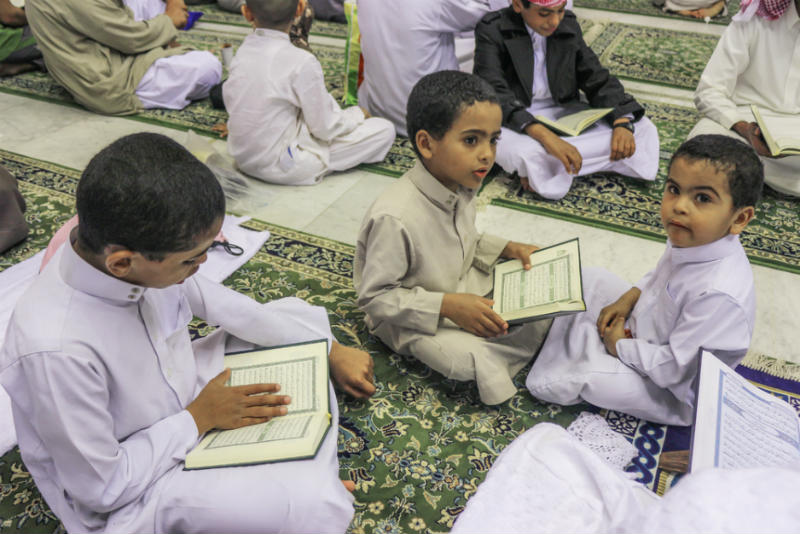
Technology is at the center of every industry today. Saudi schools are now teaching students how to understand and use digital tools. Students learn how to use computers, understand data, and even write simple code.
Basic programming languages like Python and Scratch are introduced in middle and high schools. Students also take part in national robotics competitions and coding events. This helps them improve problem-solving skills and develop logical thinking from an early age.
The Ministry of Education, in collaboration with international tech firms, has made coding a key part of the national curriculum. This gives Saudi students an edge in careers such as software engineering, cybersecurity, AI, and data science.
2. Critical Thinking and Problem Solving
Future-ready education in Saudi Arabia promotes independent thinking. Students are trained to analyze situations, ask questions, and find their own solutions. This is a major shift from the traditional memorization-based teaching method.
Project-based learning, case studies, and group discussions are common in classrooms. Instead of simply learning theories, students are encouraged to apply concepts to real-life scenarios. Teachers guide students through open-ended questions, letting them think deeper and find multiple solutions.
These critical thinking abilities are highly valued in every career field, from business to medicine to public service.
3. Creativity and Innovation
Saudi Arabia is investing heavily in innovation. To support this goal, schools are building creativity labs, makerspaces, and STEM centers. Here, students can experiment, create prototypes, and bring their ideas to life.
Creative thinking is not limited to art or design. It is taught across subjects like math, science, and language. Students are given opportunities to work on creative writing, scientific models, and even startup ideas.
This helps nurture a generation that doesn’t just consume technology or content, but creates new things, services, and solutions.
4. Communication and Collaboration
Strong communication skills are necessary in both the classroom and the workplace. Saudi schools now place great importance on public speaking, team projects, and interpersonal communication.
English is widely taught, with many schools offering bilingual programs. Students are also trained in written communication, presentation skills, and teamwork. Classroom activities like debates, role plays, and team assignments improve both confidence and collaboration.
These skills are vital for future careers, especially in fields like business, media, education, and international relations.
5. Financial and Entrepreneurial Education
One of the most exciting future-ready skills being introduced is financial literacy. Saudi students are learning how to manage money, budget, save, and invest. Lessons include real-life financial situations, digital banking tools, and understanding economic principles.
In addition, entrepreneurial education is promoted through school startup competitions, innovation labs, and mentorship programs. Students learn how to turn ideas into businesses, understand market needs, and take smart risks.
This aligns with Saudi Arabia’s national goal of creating more entrepreneurs and reducing dependence on government jobs.
6. Emotional Intelligence and Leadership
Today’s world demands not just IQ, but also EQ – emotional intelligence. Saudi schools have started to include emotional and social learning in their programs.
Students are taught how to manage emotions, handle stress, resolve conflicts, and build empathy. Leadership workshops and peer mentoring programs allow students to develop responsibility, confidence, and teamwork.
Such soft skills prepare students to lead teams, work in diverse environments, and develop positive relationships throughout life.
7. Global Citizenship and Sustainability
As Saudi Arabia becomes more globally connected, students are learning about world cultures, environmental challenges, and global goals. This helps them understand the importance of sustainability, equality, and international cooperation.
Many schools have eco-clubs and social responsibility programs where students take part in clean-up drives, tree plantations, and charity events. Lessons on climate change, recycling, and responsible consumption are part of the syllabus.
This ensures that students grow up as responsible global citizens who care about the planet and society.
Final Thoughts
The shift toward future-ready education skills taught in Saudi Arabian schools is a sign of true progress. By combining academic excellence with practical life skills, the Saudi education system is preparing students for a world full of opportunities and challenges.
These future-ready skills—digital literacy, critical thinking, emotional intelligence, entrepreneurship, and more—will define the next generation’s success in both national and global spaces.
Saudi Arabia’s educational transformation is not only empowering its youth but also creating a knowledge-based society that can compete with the world’s most advanced nations.
Also Read – Street Food Secrets: 7 Omani Dishes You Must Try Now

