


Saudi Arabia’s Vision 2030 and Africa’s youthful population are often discussed separately, yet together they represent one of the most promising global development stories of our time. On one side is a nation reshaping its economy, identity, and global role. On the other is a continent rich with young energy, ambition, and untapped potential. When these two forces align, they create opportunities that go beyond economics, touching innovation, culture, and long-term global stability.
This article explains how Saudi Arabia’s Vision 2030 intersects with Africa’s young advantage, why this relationship matters now, and what the future could look like if both sides move forward together with purpose.
Understanding Saudi Arabia’s Vision 2030
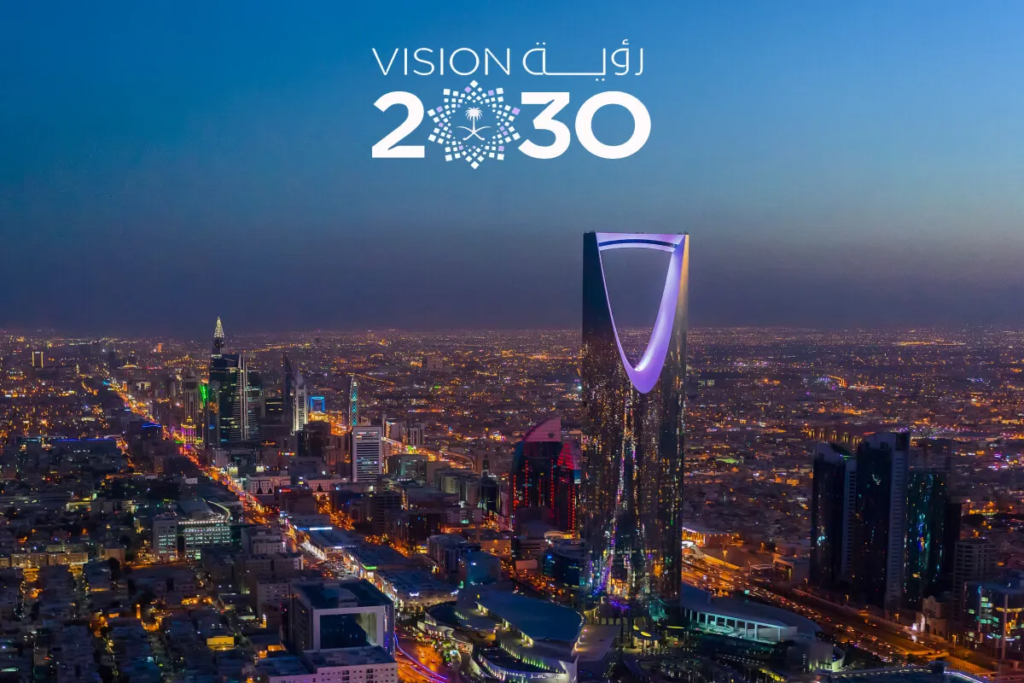
Saudi Arabia’s Vision 2030 is a national transformation agenda designed to prepare the Kingdom for a post-oil future. It is about diversification, modernization, and unlocking human potential. While oil remains important, Vision 2030 recognizes that long-term prosperity depends on knowledge, innovation, and global partnerships.
At its core, Vision 2030 is a people-centered vision. It aims to empower youth, increase women’s participation in the workforce, strengthen education, and create a vibrant private sector. These priorities naturally resonate with regions facing similar demographic and developmental dynamics.
Economic Diversification as a Global Strategy
One of the strongest pillars of Vision 2030 is economic diversification. Saudi Arabia is investing heavily in sectors such as renewable energy, tourism, entertainment, logistics, technology, and advanced manufacturing.
This shift creates demand for new markets, new talent, and new partnerships. Africa, with its growing economies and expanding consumer base, fits naturally into this vision. Trade, investment, and joint ventures between Saudi Arabia and African nations are no longer optional extras; they are strategic necessities.
A Youth-Driven National Transformation
Saudi Arabia itself is a young country. A large percentage of its population is under 35, and Vision 2030 speaks directly to their aspirations. Entrepreneurship programs, startup funding, digital skills training, and cultural openness are all designed to give young Saudis a stake in the future.
This shared youth-centric outlook forms an emotional and strategic bridge with Africa, the youngest continent in the world.
Africa’s Young Advantage Explained
Africa’s greatest asset is not buried underground; it is walking the streets, attending schools, and dreaming of a better future. With a rapidly growing young population, Africa holds what many economists call a “demographic dividend.”
This advantage, if properly supported, can drive innovation, productivity, and global growth for decades.
The Power of Demographics
More than half of Africa’s population is under the age of 25. This youthful structure means energy, creativity, and adaptability. Young people are often quicker to adopt technology, challenge old systems, and create new solutions.
In a world where many regions are aging rapidly, Africa’s demographic profile is a powerful contrast. It positions the continent as a future workforce hub and a major driver of global demand.
Innovation Born From Necessity
African youth are not just consumers of innovation; they are creators. From fintech solutions that bypass traditional banking to agritech platforms that support small farmers, young Africans are building practical tools for real-world problems.
This culture of problem-solving aligns strongly with Vision 2030’s focus on innovation, startups, and digital transformation.
Challenges That Shape Resilience
Africa’s young advantage does not come without challenges. Unemployment, skills gaps, and limited access to capital remain real concerns. However, these challenges have also shaped a generation that is resilient, entrepreneurial, and highly motivated.
For external partners like Saudi Arabia, this represents an opportunity to invest not just financially, but socially and strategically.
Where Vision 2030 Meets Africa’s Youth
The intersection of Saudi Arabia’s Vision 2030 and Africa’s young advantage is not theoretical. It is already taking shape across multiple sectors, driven by shared interests and complementary strengths.
Investment in Human Capital
Vision 2030 emphasizes education, skills development, and lifelong learning. Africa needs large-scale investment in these same areas. Partnerships in vocational training, digital education, and higher learning can create win-win outcomes.
Saudi institutions gain access to emerging talent and ideas, while African youth gain skills aligned with global market needs.
Entrepreneurship and Startups
Saudi Arabia has rapidly built an ecosystem that supports startups through funding, accelerators, and regulatory reforms. Africa’s startup scene, particularly in technology and services, is vibrant but often underfunded.
Collaboration between Saudi investors and African entrepreneurs can accelerate growth on both sides, creating companies that operate across regions and solve shared challenges.
Energy and Sustainability
Vision 2030 places strong emphasis on renewable energy and sustainability. Africa, with its abundant solar, wind, and natural resources, is a natural partner in this transition.
Young Africans trained in green technologies can help drive sustainable development while contributing to global climate goals that Saudi Arabia is increasingly embracing.
Cultural and Social Connections
Beyond economics, the relationship between Saudi Arabia and Africa is also cultural and historical. Shared values, religious connections, and centuries of trade create a foundation of mutual understanding.
Youth as Cultural Ambassadors
Young people are often the strongest carriers of cultural exchange. Through education programs, tourism, creative industries, and digital platforms, Saudi and African youth can build people-to-people connections that strengthen long-term cooperation.
Vision 2030’s focus on arts, culture, and entertainment opens doors for African creatives, storytellers, and innovators.
A Shared Vision of Progress
Both Saudi Arabia and African nations are navigating the balance between tradition and modernity. This shared experience creates empathy and alignment in how progress is defined and pursued.
The Global Impact of This Alignment
When Saudi Arabia’s Vision 2030 aligns with Africa’s young advantage, the impact extends far beyond regional borders.
Shaping the Future Workforce
As global labor markets evolve, partnerships between Saudi Arabia and Africa can help shape a future workforce that is skilled, mobile, and globally competitive.
This reduces pressure on aging economies and creates new centers of growth.
Strengthening South-South Cooperation
This relationship represents a powerful example of South-South cooperation, where emerging regions support each other’s development rather than relying solely on traditional power centers.
Such cooperation promotes balance, resilience, and shared prosperity in the global system.
Looking Ahead: A Shared Opportunity
Saudi Arabia’s Vision 2030 is ultimately about building a future that is diversified, inclusive, and sustainable. Africa’s young advantage is about unlocking the potential of a generation that will shape the world.
Together, they represent a shared opportunity rooted in youth, ambition, and transformation. The success of this alignment will depend on long-term commitment, mutual respect, and investment in people rather than just projects.
If done right, the partnership between Saudi Arabia and Africa will not only redefine economic cooperation but also offer a hopeful model of how regions can grow together in a rapidly changing world.
Do follow Gulf Magazine on Instagram.
Also Read – Saudi Arabia Strengthens Private School Regulations With New Infrastructure Standards

