

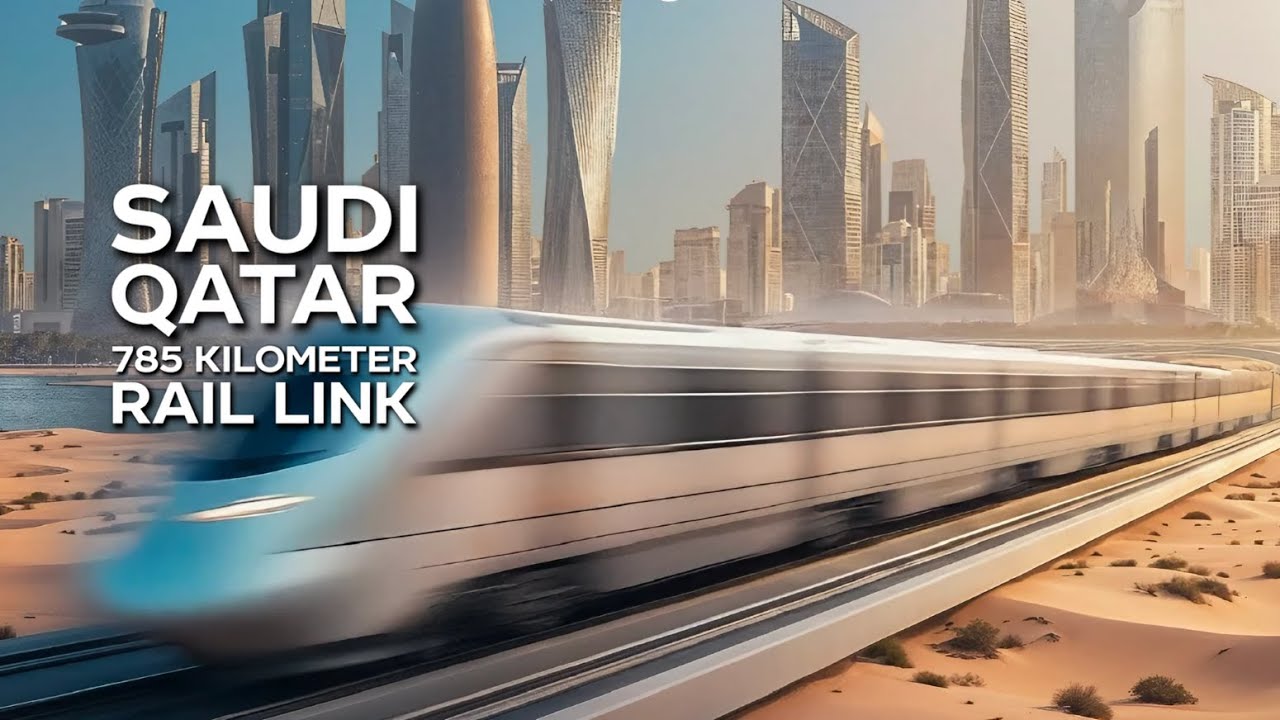
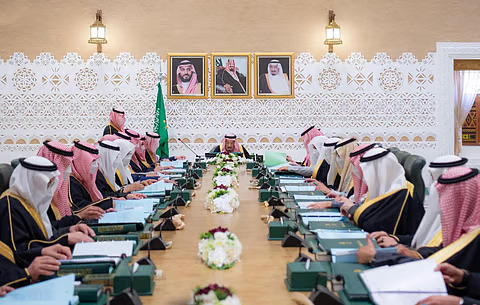
The approval of the high-speed electric train project connecting Saudi Arabia and Qatar marks a historic moment for the Gulf region. With a single decision, the Saudi cabinet has unlocked a future defined by faster mobility, stronger economic integration, and deeper human connections between two of the region’s most influential nations. More than just a transportation initiative, this ambitious project reflects a shared vision of progress, sustainability, and regional unity.
For millions across the Gulf, the idea of traveling between Riyadh and Doha in just a few hours once felt distant. Today, it feels real, tangible, and inevitable. The project signals not only technological advancement but also a renewed commitment to cooperation and long-term development.
A Strategic Leap Toward Regional Connectivity
The high-speed electric train project is designed to bridge Saudi Arabia and Qatar through a seamless, world-class rail network. This rail corridor will significantly reduce travel time between the two nations, offering a modern alternative to road and air travel.
By connecting major urban and economic centers, the railway aims to enhance mobility for citizens, residents, and visitors alike. Business travelers, families, tourists, and pilgrims will all benefit from faster, safer, and more comfortable journeys. The project is expected to strengthen the flow of people, ideas, and opportunities across borders.
Why This Project Matters Now
The timing of the approval is particularly significant. Both Saudi Arabia and Qatar are accelerating their national transformation agendas, with infrastructure playing a central role. The high-speed train aligns perfectly with Saudi Vision 2030 and Qatar’s long-term development goals, reinforcing their shared commitment to economic diversification and sustainable growth.
In a region where road congestion and short-haul flights dominate intercity travel, this project introduces a cleaner, smarter solution that meets future demands.
Inside the High-Speed Electric Train Vision
At the heart of the project lies cutting-edge rail technology. The train will be fully electric, designed to operate at high speeds while maintaining exceptional safety and efficiency standards. Passengers can expect smooth rides, modern interiors, and digital services comparable to the world’s most advanced rail systems.
The project will likely include dedicated passenger terminals, advanced signaling systems, and integrated customs and security procedures to ensure a hassle-free travel experience.
Speed, Comfort, and Reliability Combined
High-speed rail is not just about moving fast; it’s about moving better. The planned service is expected to dramatically cut travel time between Saudi Arabia and Qatar, making same-day business trips and weekend leisure travel easier than ever.
Comfortable seating, quiet cabins, and onboard amenities will transform the journey itself into a pleasant experience rather than a logistical challenge.
Strengthening Economic Ties Between Saudi Arabia and Qatar
The economic implications of the KSA-Qatar high-speed train are vast. By improving connectivity, the project will stimulate trade, tourism, and investment between the two nations. Businesses will gain faster access to markets, while logistics and supply chains will benefit from more efficient movement.
Small and medium enterprises, in particular, stand to gain from increased cross-border activity, as easier travel encourages partnerships and joint ventures.
Boosting Tourism and Cultural Exchange
Tourism is expected to be one of the biggest beneficiaries of the new rail link. Visitors will be able to explore both countries in a single trip, experiencing Saudi Arabia’s rapidly expanding tourism destinations alongside Qatar’s established cultural and sporting attractions.
Beyond tourism, the railway will encourage cultural exchange, bringing people closer and fostering mutual understanding through everyday interactions.
A Sustainable Transport Solution for the Future
Sustainability is a defining feature of the project. As an electric railway, the train will significantly reduce carbon emissions compared to traditional road and air travel. This aligns with both countries’ environmental goals and their broader commitment to combating climate change.
By shifting a portion of regional travel to rail, the project supports cleaner cities, reduced fuel consumption, and a lower environmental footprint.
Supporting Green Development Goals
The railway complements ongoing investments in renewable energy, smart cities, and green infrastructure across the Gulf. It represents a practical step toward sustainable mobility while maintaining economic competitiveness.
For younger generations, the project sends a powerful message: progress and environmental responsibility can go hand in hand.
Enhancing People-to-People Connectivity
Beyond economics and infrastructure, the high-speed train is about people. Families divided by borders will find it easier to visit each other. Students will gain access to educational opportunities across the region. Professionals will enjoy greater career mobility without sacrificing work-life balance.
The railway humanizes distance, turning what was once a long journey into a simple, everyday experience.
A Symbol of Regional Unity
Infrastructure often reflects political and social realities. This project stands as a symbol of renewed trust, collaboration, and shared ambition between Saudi Arabia and Qatar. It demonstrates how strategic cooperation can deliver tangible benefits to citizens on both sides.
In a rapidly changing world, such projects reinforce the importance of regional partnerships built on mutual respect and long-term vision.
Integration With the Wider Gulf Rail Network
The KSA-Qatar high-speed train is expected to play a crucial role in the broader vision of a connected Gulf rail network. By linking with existing and planned railway systems, the project could eventually enable seamless travel across multiple Gulf countries.
This integration would position the region as a global model for cross-border rail connectivity, enhancing its appeal as a hub for commerce and tourism.
Opening Doors to Future Expansion
While the initial focus is on connecting Saudi Arabia and Qatar, the project lays the groundwork for future extensions. Additional routes could connect other major Gulf cities, further strengthening regional integration and mobility.
Such expansion would multiply the economic and social benefits, creating a truly interconnected Gulf region.
Job Creation and Skills Development
Large-scale infrastructure projects inevitably create employment opportunities, and this railway is no exception. From construction and engineering to operations and maintenance, the project will generate thousands of jobs across various sectors.
It will also contribute to skills development, as local talent gains experience working with advanced rail technologies and international best practices.
Empowering the Local Workforce
By prioritizing knowledge transfer and training, the project can help build a skilled workforce capable of supporting future infrastructure initiatives. This investment in human capital is just as important as the physical railway itself.
For young professionals, the project represents an opportunity to be part of something transformative and future-focused.
Challenges and Long-Term Commitment
While the approval marks a major milestone, the journey ahead will require careful planning, coordination, and sustained commitment. Technical, logistical, and regulatory challenges are inevitable in a project of this scale.
However, the strong political backing and shared strategic vision between Saudi Arabia and Qatar provide a solid foundation for success.
Turning Vision Into Reality
Clear timelines, transparent governance, and effective collaboration will be key to ensuring the project is delivered on schedule and to the highest standards. Public confidence will grow as milestones are reached and visible progress is made.
The approval itself sends a strong signal that both nations are ready to meet these challenges head-on.
A New Era for Gulf Transportation
The Saudi cabinet’s approval of the KSA-Qatar high-speed electric train project marks the beginning of a new chapter in Gulf transportation. It reflects a bold commitment to innovation, sustainability, and regional cooperation.
As plans move from paper to reality, the railway promises to reshape how people move, work, and connect across borders.
Looking Ahead With Optimism
When the first train eventually departs, it will carry more than passengers. It will carry the hopes of a region striving for smarter growth, stronger unity, and a future where distance no longer limits possibility.
The high-speed electric train is not just a link between two countries. It is a bridge to a more connected, sustainable, and human-centered Gulf future.
Do follow Gulf Magazine on Instagram.
Also Read – Universal Studios Plans New Theme Park in Saudi Arabia: Report

