

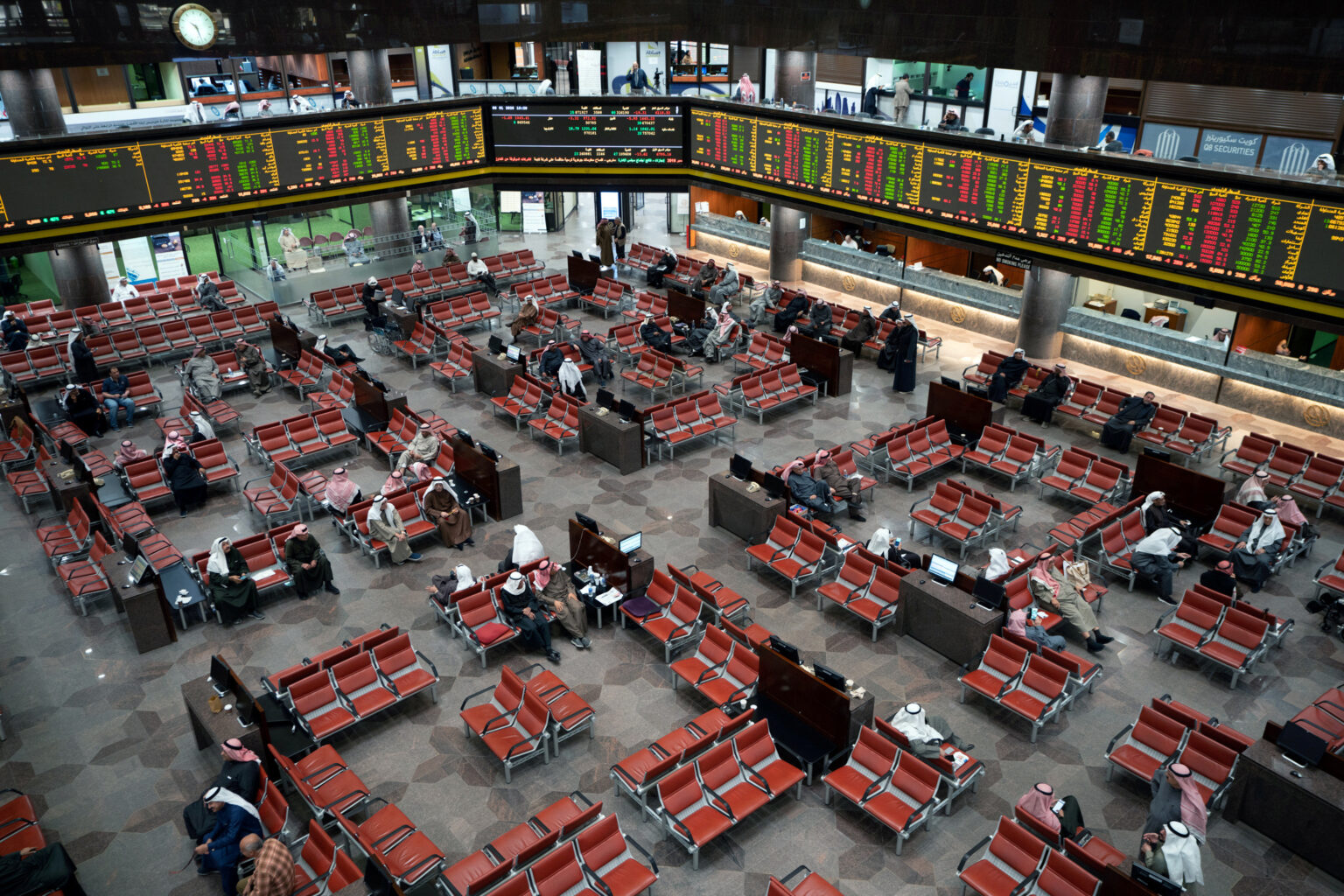
Gulf stock markets ended recent sessions on a softer note as falling oil prices and thin year-end trading volumes weighed on investor sentiment. Major indexes across Saudi Arabia, the United Arab Emirates, Qatar, Kuwait, and Oman slipped as traders turned cautious, choosing to preserve capital rather than take new risks. While the declines were modest in scale, they reflected broader concerns about global demand, energy prices, and economic momentum heading into the new year.
For many investors in the Gulf, oil remains more than just a commodity. It is a symbol of economic strength, fiscal stability, and regional confidence. When oil prices weaken, markets across the region often react quickly, even if the underlying economic fundamentals remain intact. This latest pullback highlights how closely energy markets and investor psychology remain intertwined.
Oil Prices and Their Influence on Gulf Markets
Oil prices softened during the period due to a combination of global factors, including concerns over slowing economic growth, steady supply levels, and cautious demand forecasts. These pressures filtered directly into Gulf equity markets, where energy-linked stocks play a significant role in index performance.
Why Oil Still Matters Deeply
Despite diversification efforts, oil revenues continue to underpin government spending, infrastructure projects, and corporate earnings across much of the Gulf. When prices dip, investors tend to reassess earnings expectations for energy companies, banks, and construction firms that benefit indirectly from public spending.
Lower oil prices also raise questions about future fiscal balances, even though many Gulf countries now operate with healthier reserves and more disciplined budgets than in previous cycles. The emotional impact of oil price movements often outweighs the immediate financial reality.
Thin Trading Amplifies Market Moves
The timing of the decline was also important. Year-end trading is typically marked by lower liquidity as institutional investors close books and individuals step back from active trading. In such conditions, even small sell-offs can appear more dramatic, pushing indexes lower without significant changes in fundamentals.
Saudi Arabia: Market Caution Takes Hold
Saudi Arabia’s stock market saw notable pressure as investors trimmed positions in key sectors. Energy-related stocks, petrochemicals, and some large-cap financial names moved lower, reflecting both oil price weakness and cautious outlooks.
Banking and Petrochemicals Under Watch
Banks in Saudi Arabia remain fundamentally strong, supported by healthy credit growth and government-backed projects. However, short-term sentiment softened as traders worried about slower activity if oil prices remain subdued for an extended period.
Petrochemical companies, closely tied to global demand and feedstock pricing, also faced selling pressure. Investors are increasingly selective, focusing on firms with strong balance sheets and clear long-term strategies rather than chasing short-term gains.
Vision-Driven Confidence Remains
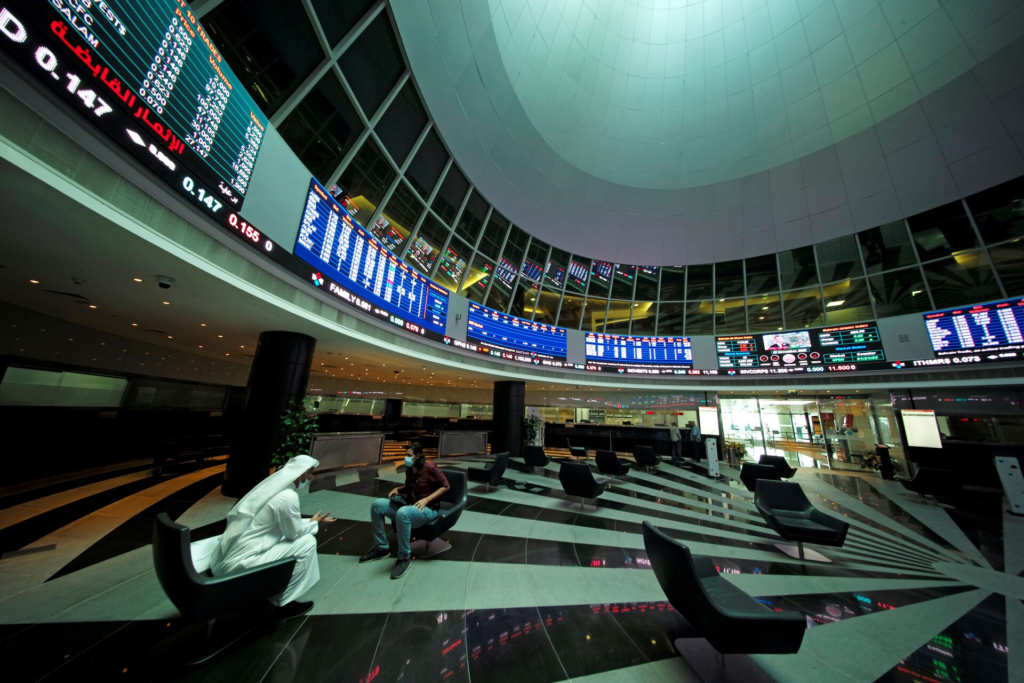
United Arab Emirates: Stability Tested but Not Shaken
Markets in the UAE, including Dubai and Abu Dhabi, also experienced declines as global sentiment turned cautious. Real estate, banking, and investment stocks were among those affected.
Real Estate Faces Mixed Signals
The UAE’s real estate sector has shown impressive momentum in recent years, driven by foreign investment and strong demand. However, in the short term, investors appeared to lock in profits, especially amid broader market uncertainty.
This does not signal a loss of confidence in the sector, but rather a pause as traders assess global conditions and interest rate expectations.
Financial Stocks Reflect Global Trends
Banks in the UAE moved lower in line with regional peers. Rising global uncertainty often leads investors to reduce exposure to financial stocks, even when fundamentals remain sound. Strong capitalization and prudent lending practices continue to support confidence in the sector’s resilience.
Qatar and Smaller Gulf Markets Feel the Ripple Effect
Qatar’s stock market, along with those of Kuwait, Oman, and Bahrain, also felt the impact of weaker oil prices and cautious trading.
Energy and Industrial Stocks Lead Declines
In Qatar, energy-linked and industrial stocks were among the most affected. The country’s strong gas-driven economy provides long-term stability, but short-term market movements remain sensitive to energy price trends and global investor sentiment.
Regional Markets Move Together
Smaller Gulf markets often follow broader regional trends, especially during periods of low liquidity. Investors tend to view the Gulf as a connected ecosystem, leading to synchronized movements even when individual country fundamentals differ.
Economic Concerns Beneath the Surface
While the market declines were relatively contained, they brought underlying concerns back into focus. Global economic growth remains uneven, inflation dynamics are evolving, and geopolitical risks continue to influence energy markets.
Global Demand and Growth Questions
Uncertainty around global demand, particularly from major economies, has added pressure to oil prices. Slower industrial activity or cautious consumer spending can quickly translate into softer energy demand, impacting sentiment across oil-exporting regions.
Interest Rates and Investment Decisions
Interest rate expectations also play a role in shaping investor behavior. Higher rates can reduce liquidity and make fixed-income investments more attractive relative to equities, contributing to cautious market positioning.
Investor Psychology During Year-End Trading
Year-end trading often brings a shift in mindset. Many investors prefer to protect gains, reduce exposure, and wait for clearer signals in the new year.
Profit-Taking Over Risk-Taking
After periods of strong performance earlier in the year, some investors chose to take profits rather than chase uncertain opportunities. This behavior is common and does not necessarily reflect a negative long-term outlook.
Waiting for Fresh Catalysts
Markets often look for new narratives at the start of a year, such as earnings results, policy updates, or clearer economic data. Until then, trading tends to remain subdued, with limited appetite for bold moves.
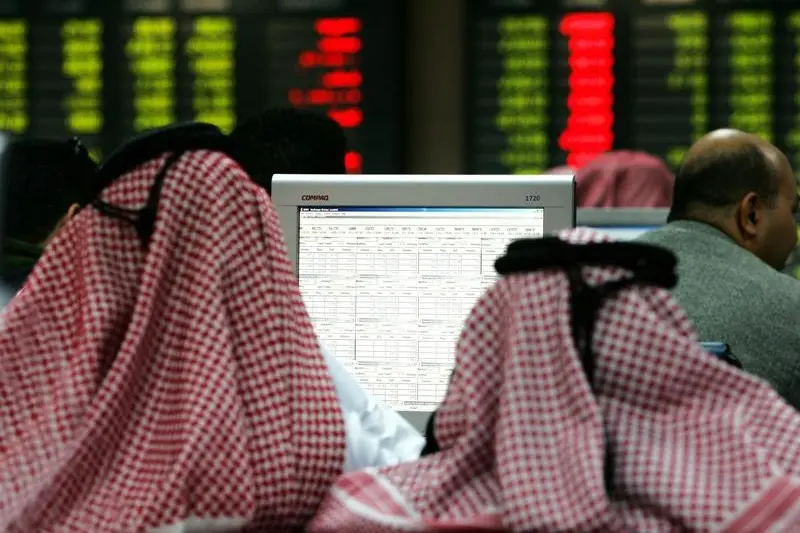
Long-Term Outlook: Resilience Beyond Volatility
Despite the recent declines, the broader outlook for Gulf markets remains constructive. Structural reforms, diversification initiatives, and improved fiscal management have strengthened the region’s ability to weather volatility.
Diversification Is Paying Off
Non-oil sectors such as tourism, logistics, technology, and renewable energy are playing a growing role in regional economies. These sectors provide alternative growth engines that help cushion the impact of oil price swings.
Strong Balance Sheets and Reserves
Many Gulf governments now maintain robust financial buffers, allowing them to sustain spending even during periods of lower oil prices. This stability supports corporate earnings and investor confidence over the long term.
What Investors Are Watching Next
As the new year approaches, investors are focusing on several key factors that could shape market direction.
Oil Price Direction
Any stabilization or rebound in oil prices could quickly lift sentiment across Gulf markets. Conversely, prolonged weakness may keep investors cautious in the near term.
Corporate Earnings and Guidance
Upcoming earnings reports and forward guidance will provide valuable insight into how companies are navigating current conditions. Firms that demonstrate resilience and adaptability are likely to attract renewed interest.
Policy and Economic Signals
Government policies, infrastructure announcements, and economic data will continue to influence market expectations. Clear signals of sustained growth could encourage investors to re-enter markets with greater confidence.
A Moment of Reflection, Not Panic
The recent fall in Gulf markets should be seen as a moment of reflection rather than a cause for alarm. Markets move in cycles, and short-term volatility is a natural part of investing.
For long-term investors, these periods often offer opportunities to reassess strategies, identify quality assets, and prepare for future growth. The Gulf’s economic story remains one of ambition, transformation, and resilience, even when markets temporarily lose momentum.
As oil prices fluctuate and global uncertainty persists, Gulf markets are likely to remain sensitive in the short term. Yet beneath the surface, the foundations for sustainable growth continue to strengthen, offering a sense of optimism that extends well beyond the current market dip.
Do follow Gulf Magazine on Instagram.
Also Read – How Saudi Chefs Are Reimagining Christmas Classics With Local Ingredients

