


Saudi Arabia Demands Separatist Withdrawal, Exposing Yemen War Tensions,Saudi Arabia has urged UAE-aligned separatist forces to withdraw from parts of Yemen, a move that has drawn renewed attention to the fragile alliances shaping the country’s long-running conflict. The demand reflects deeper tensions within the Gulf coalition and underlines how complex and layered the Yemen war has become, even among partners who once shared the same battlefield goals.
Far from being a simple military instruction, the Saudi call carries political, regional, and humanitarian implications. It signals Riyadh’s desire to reassert authority over the direction of the conflict while managing internal Gulf Cooperation Council dynamics that have grown increasingly strained over Yemen’s future.
Understanding the Background of Yemen’s War
Yemen’s conflict began as a political crisis but quickly evolved into a devastating regional war. What started as a power struggle between the internationally recognized government and Houthi rebels soon expanded, pulling in regional actors with competing interests.
Saudi Arabia entered the war with the stated aim of restoring Yemen’s recognized government. The United Arab Emirates joined as a key partner, focusing heavily on counterterrorism operations and securing strategic coastal areas. Over time, however, differences in priorities began to surface, particularly around southern Yemen.
Who Are the Separatist Forces?
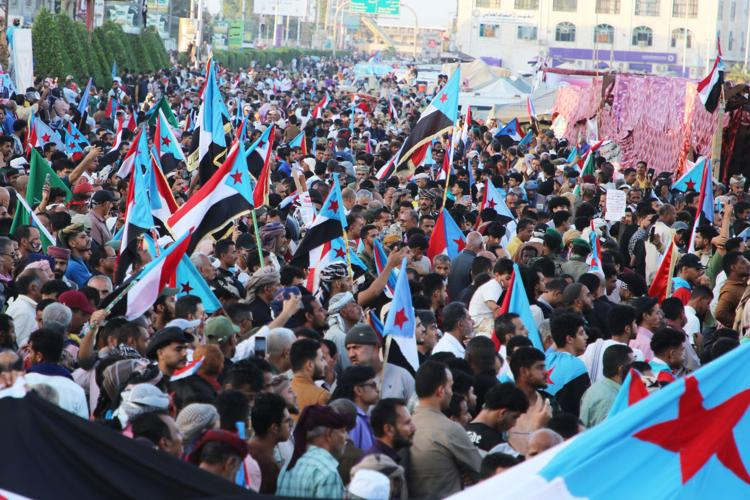
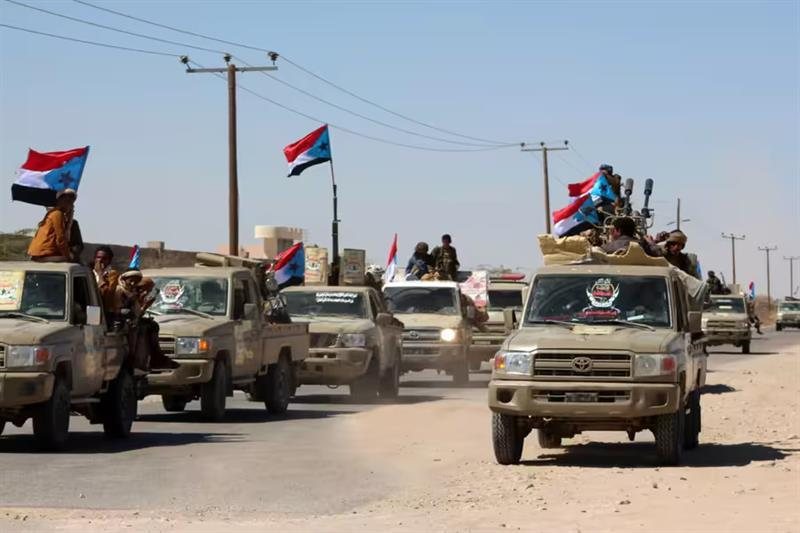
The separatist groups at the center of Saudi Arabia’s demand are largely aligned with the Southern Transitional Council. These forces advocate for southern autonomy or outright independence, drawing on grievances that date back decades, long before the current war began.
While these groups have fought against common enemies, including extremist organizations, they have also clashed with forces loyal to Yemen’s central government. Their control over key cities and ports has made them influential players, but also a source of instability from Riyadh’s perspective.
Saudi Arabia’s Strategic Concerns
Saudi Arabia’s call for withdrawal highlights growing unease about the fragmentation of authority in Yemen. Riyadh fears that unchecked separatist control could permanently divide the country, undermining any future political settlement.
From the Saudi viewpoint, the presence of UAE-aligned separatists complicates efforts to negotiate a unified peace. A fractured Yemen could become harder to govern, easier for militant groups to exploit, and more vulnerable to external influence.
Internal GCC Tensions Come to the Surface
The demand also sheds light on internal tensions within the Gulf Cooperation Council. Saudi Arabia and the UAE remain strategic partners, but Yemen has exposed differences in how each country envisions regional security.
While Riyadh prioritizes a strong central Yemeni state aligned with its security interests, Abu Dhabi has focused on local allies and maritime security. These differing approaches have led to overlapping chains of command and competing loyalties on the ground.
The UAE-Aligned Forces’ Perspective
For separatist leaders and their backers, withdrawal is not a simple decision. Many argue that their forces provide stability in areas neglected by the central government. They point to improved security and local governance as justification for maintaining control.
There is also deep mistrust toward Yemen’s political institutions, which many southerners believe have historically marginalized them. Any move to pull back without guarantees could be seen as surrendering hard-won influence.
Impact on Yemen’s Recognized Government
Saudi Arabia’s demand indirectly strengthens Yemen’s internationally recognized government, which has struggled to assert authority in the south. Regaining control over key regions would bolster its legitimacy and negotiating position.
However, the government also faces a delicate balancing act. Alienating powerful southern factions could spark renewed violence, further destabilizing areas that have already suffered years of conflict.
Military Realities on the Ground
The practical implementation of any withdrawal remains uncertain. Yemen’s battlefield is fragmented, with shifting alliances and local commanders exercising significant autonomy.
Even if political leaders agree in principle, translating orders into action is challenging. Armed groups are deeply embedded in local communities, and sudden changes in control risk creating security vacuums.
Humanitarian Implications of the Standoff
Beyond geopolitics, the standoff has real consequences for civilians. Yemen remains one of the world’s most severe humanitarian crises, with millions dependent on aid and basic services.
Any escalation or miscalculation could disrupt supply routes, delay assistance, and worsen living conditions. Saudi Arabia’s push may be partly motivated by a desire to stabilize areas critical for humanitarian access.
Regional and International Reactions
Regional observers view the Saudi move as a signal that Riyadh wants to streamline the conflict and reduce internal divisions. Some see it as an effort to present a more unified front ahead of future peace talks.
Internationally, the demand has been noted as another reminder that Yemen’s war is not only about two sides, but a web of actors with overlapping and sometimes conflicting goals.
Prospects for Political Dialogue
Saudi Arabia’s demand could open the door to renewed political dialogue, but only if handled carefully. A forced withdrawal without political accommodation risks igniting fresh clashes.
Meaningful progress would likely require assurances to southern groups, including political representation and guarantees about local governance. Without such steps, tensions may simply shift rather than disappear.
The Role of Mediation and Diplomacy
Diplomatic channels may play a crucial role in easing the situation. Quiet negotiations between Saudi Arabia, the UAE, and Yemeni factions could help align strategies and prevent open confrontation.
Past experience shows that agreements imposed without local buy-in tend to unravel quickly. Sustainable solutions will require compromise, patience, and a recognition of Yemen’s complex social fabric.
What This Means for the Future of the War
Saudi Arabia’s demand underscores a broader reality: the Yemen war has entered a phase where internal coalition dynamics matter as much as front-line battles. Managing allies has become as challenging as confronting adversaries.
If Riyadh succeeds in coordinating a withdrawal while preserving stability, it could mark a step toward a more coherent approach to ending the conflict. Failure, however, could deepen divisions and prolong the war.
A Conflict Still Searching for Resolution
Years into the fighting, Yemen’s path to peace remains uncertain. Saudi Arabia’s call for separatist withdrawal is a reminder that the conflict is not static, but constantly evolving.
The coming months will reveal whether this demand becomes a turning point or another unresolved chapter. What is clear is that Yemen’s future depends not only on ending violence, but on reconciling the competing visions held by those who claim to fight for its stability.
Do follow Gulf Magazine on Instagram.
Also Read – Gulf Markets Fall on Weak Oil Prices Amid Year-End Uncertainty

