

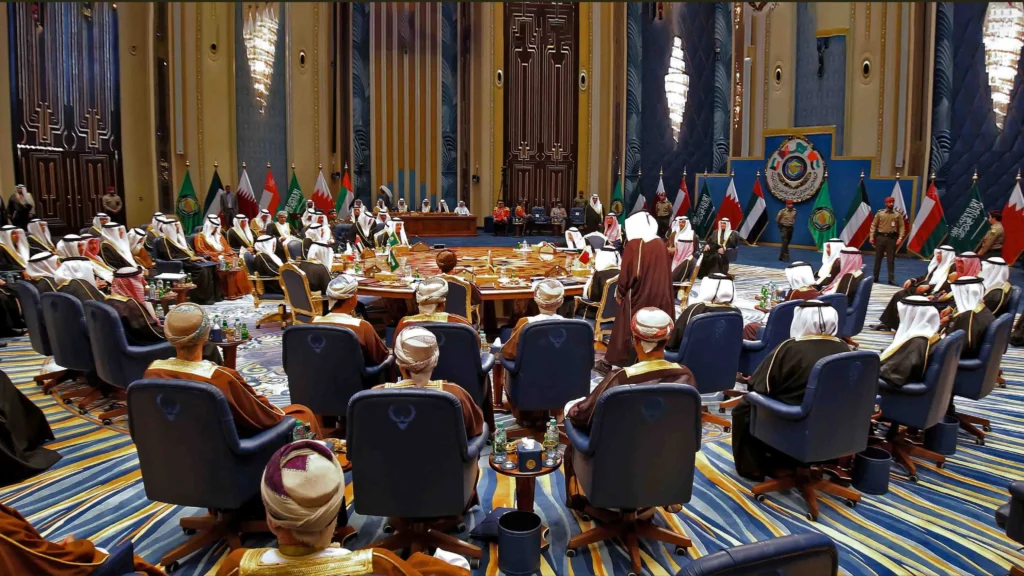
The Gulf region has long understood that unity is not a luxury but a necessity. In moments of rising regional tension and shifting global dynamics, cooperation among Gulf Cooperation Council states becomes even more critical. The 49th GCC Extraordinary Ministerial Meeting held in Doha emerged as a defining moment, reaffirming collective purpose and shared responsibility among member states.
Rather than being a routine diplomatic gathering, the meeting reflected a renewed commitment to dialogue, coordination, and regional stability. It demonstrated how Gulf nations continue to prioritize unity when faced with complex political and security challenges.
A Meeting Shaped by Urgency and Shared Concerns
The Doha meeting was convened at a time when the region faced heightened security sensitivities and diplomatic pressures. Gulf foreign ministers arrived with a clear understanding that fragmented responses could weaken the region’s position, while a unified approach would strengthen it.
This sense of urgency shaped discussions throughout the meeting. Leaders spoke not only as representatives of individual nations but as guardians of a shared Gulf future. The tone was collaborative, focused on listening, alignment, and mutual reassurance.
Reaffirming the Core Values of the GCC
Unity as a Strategic Foundation
One of the most significant outcomes of the meeting was the reaffirmation that Gulf unity remains the cornerstone of regional strength. Ministers emphasized that political differences or external pressures should never undermine the collective framework that the GCC represents.
Unity was not framed as symbolic rhetoric. It was positioned as a strategic necessity that safeguards economic growth, political stability, and security coordination across the region.
Commitment to Collective Decision-Making
The meeting reinforced the importance of joint decision-making mechanisms. Rather than unilateral actions, ministers stressed that coordinated policies amplify Gulf influence on regional and international stages.
This approach sent a clear message that the GCC continues to function as a cohesive bloc, capable of responding effectively to crises and long-term challenges alike.

Addressing Regional Security with One Voice
Shared Responsibility for Stability
Security dominated much of the discussion in Doha. Ministers acknowledged that threats to one Gulf nation inevitably impact all others. This understanding strengthened calls for deeper coordination on intelligence sharing, defense strategies, and crisis response mechanisms.
By framing security as a shared responsibility, the meeting strengthened trust among member states and reinforced the idea that collective defense remains a pillar of Gulf cooperation.
Diplomatic Balance and De-escalation
Beyond military considerations, the meeting highlighted diplomacy as a critical tool for maintaining regional calm. Ministers expressed a unified stance in favor of de-escalation, dialogue, and peaceful resolution of conflicts.
This balanced approach demonstrated the GCC’s maturity in navigating regional tensions without compromising its core interests.
Political Alignment in a Changing Regional Landscape
Navigating External Pressures Together
The geopolitical environment surrounding the Gulf continues to evolve rapidly. The Doha meeting acknowledged that external pressures, alliances, and conflicts require coordinated political responses.
By aligning their diplomatic positions, GCC states strengthened their ability to engage with global powers while preserving regional autonomy and decision-making independence.
Reinforcing Sovereignty and Mutual Respect
Another key theme was respect for sovereignty and non-interference. Ministers reiterated that stability in the Gulf depends on honoring national boundaries and political systems.
This shared principle reinforced internal trust within the GCC and clarified its stance toward external actors.
Strengthening Institutional Cooperation
Revitalizing GCC Mechanisms
The meeting served as an opportunity to reassess and energize GCC institutions. Ministers discussed ways to enhance coordination among councils, committees, and joint initiatives.
This focus on institutional strength highlighted the GCC’s intention to remain adaptive and responsive rather than static.
Enhancing Communication Channels
Clear and consistent communication was emphasized as essential for unity. Ministers agreed that timely consultations and transparent dialogue prevent misunderstandings and reinforce solidarity during critical moments.
Improved communication channels were viewed as practical tools that translate unity from principle into action.
Economic and Social Dimensions of Unity
Stability as a Driver of Economic Confidence
Political unity directly influences economic confidence in the Gulf. The Doha meeting acknowledged that coordinated policies help maintain investor trust, protect trade flows, and ensure sustainable growth.
By reinforcing unity, the GCC sends a reassuring signal to global markets about the region’s stability and long-term vision.
Protecting Shared Social Interests
Beyond economics, ministers recognized that Gulf unity also protects shared social and cultural interests. Stability allows societies to focus on development, education, and innovation rather than uncertainty.
This broader understanding of unity reflects a people-centered approach to regional cooperation.
Humanizing Diplomacy Through Dialogue
Trust Built Through Face-to-Face Engagement
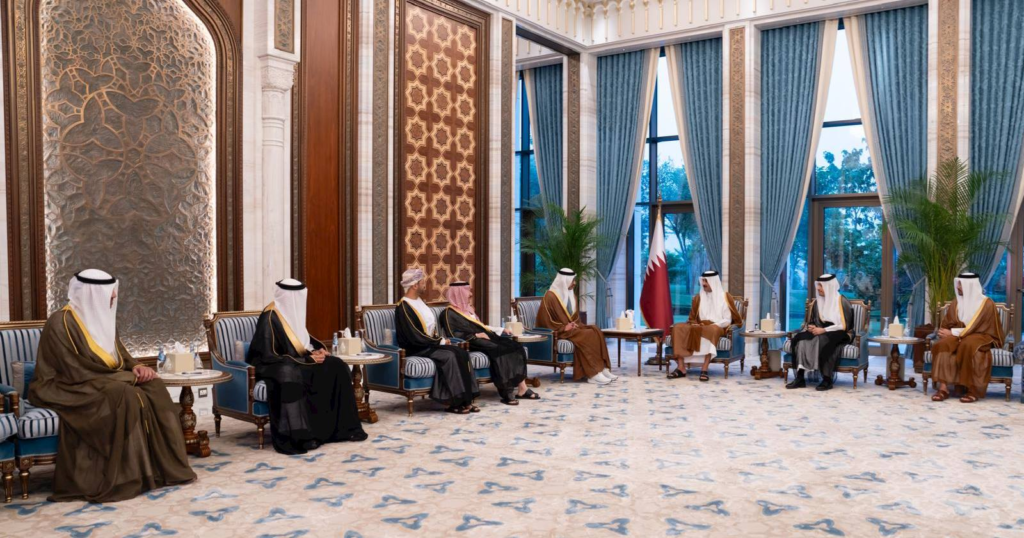
The extraordinary nature of the meeting allowed ministers to engage in open, candid discussions. These face-to-face interactions helped build personal trust, which remains a crucial element of effective diplomacy.
Such moments remind observers that unity is not only forged through agreements but through relationships and mutual understanding.
Listening as a Diplomatic Strength
The Doha meeting stood out for its emphasis on listening. Ministers acknowledged differing perspectives while working toward shared conclusions. This approach strengthened consensus and reinforced respect among member states.
Listening, in this context, became a diplomatic strength rather than a concession.
Symbolism and Strategic Messaging
Doha as a Platform for Consensus
Hosting the meeting in Doha carried symbolic significance. It highlighted the role of dialogue-focused diplomacy in fostering regional alignment and cooperation.
The choice of venue reinforced the message that unity thrives in environments that encourage discussion and collaboration.
A Clear Message to the Region and Beyond
The outcomes of the meeting sent a powerful signal to regional and international audiences. The GCC demonstrated that it remains united, vigilant, and proactive in addressing shared challenges.
This clarity of messaging enhances the GCC’s credibility and influence on the global stage.
Long-Term Implications for Gulf Cooperation
Building Momentum for Future Collaboration
The Doha meeting was not an endpoint but a catalyst. It created momentum for deeper cooperation across political, security, and economic domains.
By reaffirming unity during a critical moment, the GCC strengthened its foundation for future initiatives and reforms.
Unity as an Ongoing Commitment
Ministers acknowledged that unity requires continuous effort. Dialogue, compromise, and coordination must remain ongoing priorities rather than reactive measures.
This recognition underscores the GCC’s evolving maturity as a regional organization.
A Renewed Sense of Collective Purpose
The 49th GCC Extraordinary Ministerial Meeting in Doha reinforced a simple but powerful truth: Gulf unity is strongest when leaders come together with honesty, urgency, and shared resolve.
In a region often defined by complexity, the meeting demonstrated that cooperation remains the Gulf’s most reliable strength. By aligning political positions, reinforcing security coordination, and reaffirming shared values, GCC states showcased their collective ability to navigate challenges with confidence.
The Doha meeting will be remembered not just for its statements, but for the spirit it reflected. A spirit of unity rooted in trust, responsibility, and a shared vision for a stable and prosperous Gulf future.
Do follow Gulf Magazine on Instagram.
Also Read – Middle East IPO Activity Drops Sharply, Impacting Investor Confidence

