

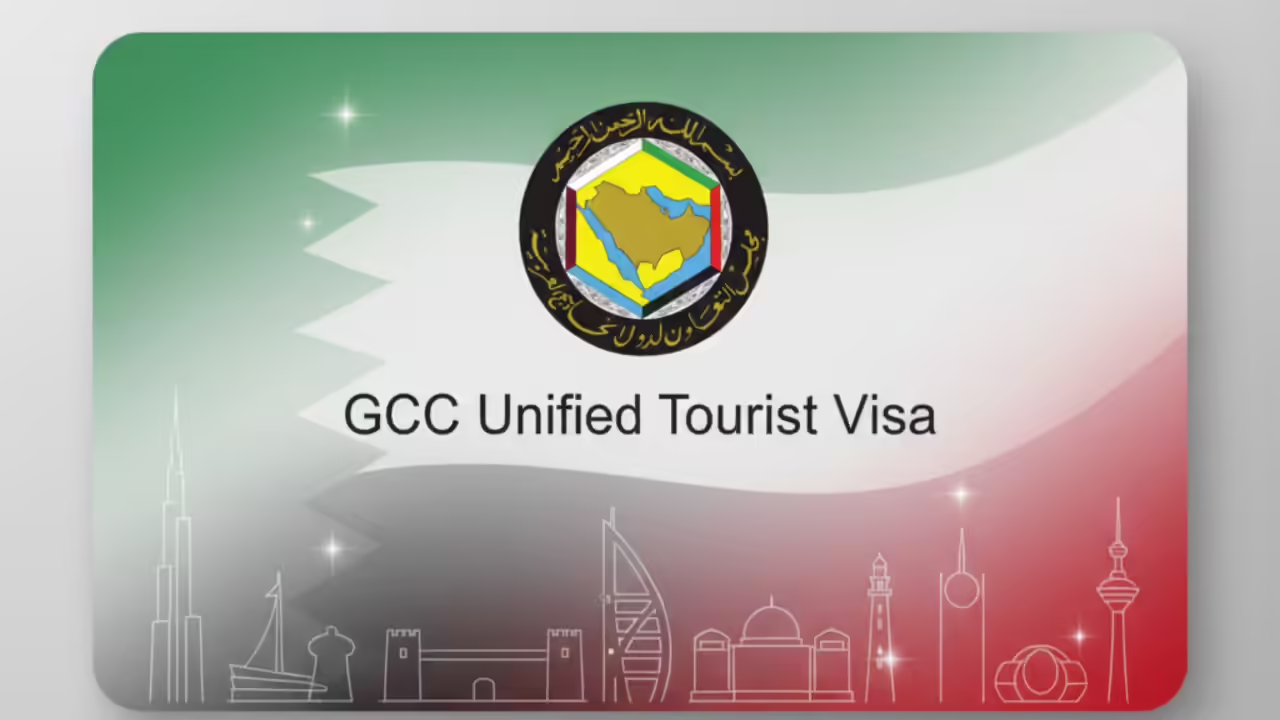
The Unified GCC Visa, inspired by Europe’s Schengen model, is set to revolutionize tourism across the region. By allowing travelers to move freely between participating Gulf states on a single tourist visa, the GCC is taking a bold step toward deeper regional integration, stronger tourism growth, and richer cultural exchange.
Travel in the Gulf is on the verge of a historic transformation. For years, visitors dreamed of exploring multiple GCC countries in one seamless journey, but separate visa systems often made that vision complicated and time-consuming. Now, that barrier is finally being removed.
This is more than a policy change. It is a shift in how the world experiences the Gulf.
What Is the Unified GCC Visa?
The Unified GCC Visa is a single-entry tourist visa that allows international travelers to visit multiple Gulf Cooperation Council countries under one permit. Instead of applying for separate visas for Saudi Arabia, the UAE, Qatar, Oman, Kuwait, or Bahrain, visitors will be able to plan multi-country itineraries with far greater ease.
A Schengen-Style Approach for the Gulf
Much like the Schengen Area in Europe, the unified visa treats the GCC as a connected travel zone rather than a collection of individual borders. Once a traveler enters one participating country, they can move across others without repeated visa checks or new applications.
This approach reflects how modern travelers think. Vacations are no longer about one city or one country. They are about experiences, stories, and journeys that cross borders naturally.
Who Will Benefit Most?
The unified visa is designed primarily for international tourists, business travelers, and short-term visitors. It is especially attractive for:
Leisure travelers seeking multi-destination holidays
Cultural explorers interested in Gulf heritage and traditions
Business visitors combining meetings across multiple GCC hubs
Event-based travelers attending exhibitions, sports events, or festivals
For travelers, the process becomes simpler. For the region, the impact is enormous.
How the Unified Visa Makes Travel Easier
At its core, the unified GCC visa removes friction. Travel becomes smoother, faster, and far more enjoyable.
One Application, Multiple Destinations
Instead of navigating different embassy requirements, documentation rules, and approval timelines, travelers will submit a single application. This saves time, reduces confusion, and removes a major psychological barrier that often discourages multi-country travel.
For first-time visitors to the Gulf, this simplicity can be the deciding factor.
Seamless Border Movement
Once inside the GCC travel zone, tourists can move between member states without reapplying or facing repeated immigration processes. A road trip from Saudi Arabia to the UAE, a short flight from Doha to Muscat, or a weekend escape from Dubai to Bahrain becomes effortless.
This kind of freedom changes how people plan their trips. It encourages spontaneity, longer stays, and deeper exploration.
Better Planning, Better Experiences
When visas are easy, travelers plan better. They spend more time researching destinations, booking experiences, and engaging with local culture. The unified visa allows tourists to design journeys that flow naturally, rather than stopping abruptly at national borders.

Boosting Tourism Across the GCC
The economic impact of the unified visa is expected to be significant. Tourism is already a key pillar of Gulf diversification strategies, and this initiative amplifies those ambitions.
Longer Stays and Higher Spending
Tourists who visit multiple countries tend to stay longer and spend more. A traveler who might have spent four days in one city could now spend two weeks exploring several destinations across the Gulf.
Longer stays benefit airlines, hotels, restaurants, tour operators, and retail sectors across all member states.
Shared Growth for Emerging Destinations
While cities like Dubai, Doha, and Riyadh are already global tourism hubs, smaller or emerging destinations stand to gain even more. With easier access, travelers are more likely to add lesser-known cities, heritage towns, and natural landscapes to their itineraries.
This creates a more balanced tourism ecosystem across the region.
Strengthening the Gulf’s Global Brand
A unified visa presents the GCC as a single, powerful tourism region. Instead of competing individually, member states can market the Gulf collectively as a diverse destination offering luxury, culture, adventure, and tradition in one journey.
This unified branding is especially attractive to long-haul travelers from Europe, Asia, and the Americas.
Encouraging Cultural Exploration Across Borders
Beyond economics, the unified visa has a deeper human impact. It invites travelers to truly understand the Gulf as a region, not just a collection of modern skylines.
Experiencing Shared Heritage and Local Identity
The Gulf countries share deep historical, cultural, and linguistic ties, yet each has its own unique character. With easier travel, visitors can experience this contrast firsthand.
A journey might begin in the ancient markets of Muscat, continue through the futuristic architecture of Dubai, explore the cultural revival of Riyadh, and end with the museums and heritage districts of Doha.
Each stop adds a new layer of understanding.
Supporting Cultural Tourism and Storytelling
Cultural tourism thrives when movement is easy. Museums, heritage villages, archaeological sites, and traditional festivals become more accessible when travelers can include them in multi-country itineraries.
This encourages storytelling that goes beyond stereotypes and showcases the Gulf’s depth, diversity, and living traditions.
Building People-to-People Connections
Travel is one of the most powerful tools for cultural exchange. When tourists move freely across borders, they interact with more communities, learn more perspectives, and build genuine connections.
The unified visa supports a more open, human, and connected travel experience.

Impact on Airlines, Hotels, and Travel Businesses
The travel industry across the GCC is preparing for a surge in opportunity.
Airlines and Regional Connectivity
Airlines benefit from increased regional hopping. Short-haul flights between GCC capitals are likely to see higher demand as tourists build multi-stop itineraries.
This also supports the growth of regional carriers and strengthens hub-and-spoke travel models.
Hotels and Hospitality Growth
Hotels across all price segments stand to gain. Luxury resorts, business hotels, and boutique stays will all see increased demand as travelers extend their trips and explore new destinations.
The unified visa also encourages repeat visits, as travelers may return to explore destinations they missed on their first journey.
Tour Operators and Experience Providers
Tour companies can now design cross-border packages with ease. Desert safaris, cultural tours, food trails, and adventure experiences can be bundled across countries, creating richer and more competitive offerings.
This drives innovation and creativity within the tourism sector.
Challenges and What Needs to Be Done Right
While the promise is strong, successful implementation is key.
Smooth Digital Systems
The visa application process must be simple, transparent, and fully digital. Any technical complexity could undermine the benefits of unification.
A user-friendly system builds trust and encourages adoption.
Clear Rules and Communication
Travelers need clarity on duration of stay, entry points, and movement rules. Clear communication ensures confidence and prevents confusion at borders.
Consistency across member states is essential.
Balancing Security and Openness
Security remains a priority, and the unified visa must maintain strong screening standards while offering convenience. Striking this balance is critical to long-term success.
What the Unified GCC Visa Means for the Future
The unified visa is more than a tourism initiative. It is a symbol of regional cooperation, shared vision, and confidence in the Gulf’s global role.
It signals that the GCC is ready to welcome the world not just as individual destinations, but as a connected region rich in culture, opportunity, and experience.
For travelers, it means freedom, flexibility, and discovery.
For the region, it means growth, unity, and global relevance.
Do follow Gulf Magazine on Instagram.
Also Read – Gulf Food & Festival Tourism: Why Culinary Experiences Are Driving Travel Growth

