

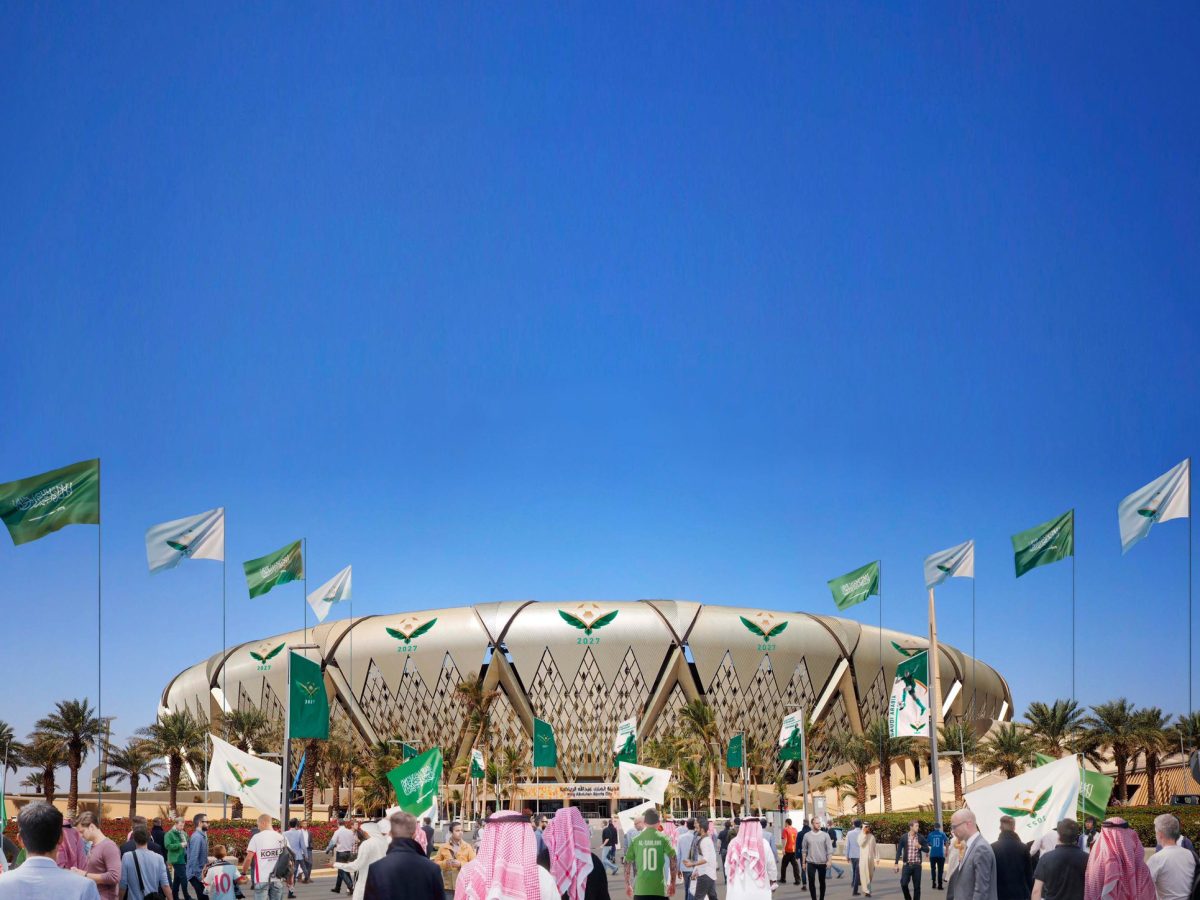
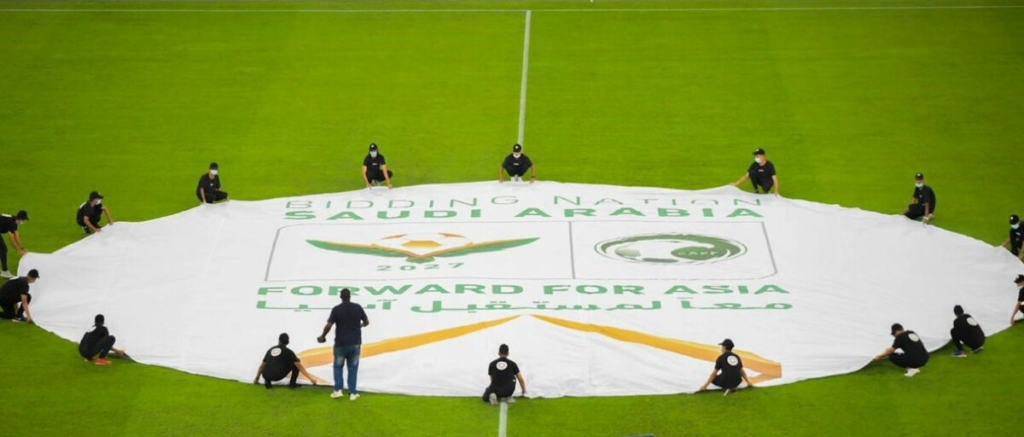
The confirmation of Saudi Arabia as the host of the 2027 AFC Asian Cup marks a defining moment for football across Asia. More than just a tournament, this edition represents ambition, transformation, and a statement of intent from a nation that has placed sport at the heart of its future. For players, fans, and football communities across the continent, the 2027 Asian Cup promises to be an experience shaped by scale, innovation, and deep cultural pride.
Saudi Arabia is not new to hosting major sporting events, but the Asian Cup carries a special significance. It is Asia’s premier national team competition, where legends are made and generations of fans fall in love with the game. Hosting it places Saudi Arabia at the center of Asian football’s next chapter.
Why the 2027 AFC Asian Cup Matters
The Asian Cup has always been more than a trophy. It reflects the growth, diversity, and competitive spirit of football across the continent. From traditional powerhouses to rising football nations, the tournament unites Asia in a shared passion.
For Saudi Arabia, hosting this event is both an honor and a responsibility. It is a chance to showcase its football heritage, modern infrastructure, and the welcoming spirit of its people, while setting new benchmarks for how major tournaments are delivered in Asia.
A Symbol of Saudi Arabia’s Football Evolution
Saudi Arabia has a proud football history, with continental success and consistent appearances on the global stage. In recent years, the country has invested heavily in developing the sport at every level, from grassroots academies to elite professional leagues.
The 2027 AFC Asian Cup acts as a natural extension of this journey. It is not only about hosting matches but about inspiring a new generation of Saudi players, coaches, and fans who see football as part of their national identity.
Stadiums Designed for a Global Stage
One of the most exciting aspects of the 2027 Asian Cup is the venues. Saudi Arabia is developing and upgrading world-class stadiums that blend architectural ambition with fan-focused design.
These venues are expected to offer more than seating and sightlines. They are being imagined as entertainment destinations, with immersive fan zones, advanced technology, and sustainability at their core. For supporters attending matches, the experience will feel modern, comfortable, and emotionally engaging.
Smart Infrastructure and Fan Experience
Technology will play a key role in shaping the tournament. From seamless ticketing systems to intelligent crowd management and digital fan engagement, Saudi Arabia aims to make attending the Asian Cup smooth and memorable.
For international visitors, ease of movement, hospitality services, and multilingual support will help create an inclusive and welcoming atmosphere throughout the tournament.
Cities That Tell a Story
The Asian Cup will not be confined to one city. Instead, it will unfold across multiple host cities, each offering its own character and cultural richness.
Riyadh: The Beating Heart of the Tournament
As the capital, Riyadh is expected to play a central role. A city that blends tradition with rapid modernization, Riyadh offers fans a chance to experience Saudi culture alongside world-class football.
From historic districts to modern entertainment hubs, visitors will find that football matches are only part of a broader journey.
Jeddah and Beyond: Coastal Energy and Cultural Depth
Coastal cities like Jeddah bring a different flavor to the tournament. With their maritime heritage, vibrant arts scenes, and relaxed atmosphere, these cities provide a unique backdrop for international football.
Other host locations are likely to highlight Saudi Arabia’s regional diversity, ensuring fans experience multiple sides of the country during the competition.
Impact on Asian Football Development
Hosting the AFC Asian Cup has lasting effects that go far beyond the final whistle. For Saudi Arabia and the wider region, the tournament is expected to accelerate football development across several areas.
Youth Inspiration and Grassroots Growth
Seeing Asia’s best players compete on home soil can be transformative for young fans. The 2027 Asian Cup will likely inspire thousands of children to take up the sport, dream bigger, and see football as a pathway to opportunity.
Local academies, schools, and community clubs are expected to benefit from increased interest and investment tied to the tournament.
Raising Competitive Standards
For national teams, the Asian Cup is a test of tactical intelligence, physical preparation, and mental resilience. Hosting the tournament pushes the local football ecosystem to higher standards, influencing coaching education, sports science, and player welfare.
This ripple effect will strengthen not only Saudi football but also the overall competitiveness of Asian teams on the global stage.
Tourism, Culture, and Global Perception
The 2027 AFC Asian Cup is also a powerful cultural moment. It invites the world to see Saudi Arabia through the lens of sport, hospitality, and shared celebration.
Football as a Gateway to Cultural Exchange
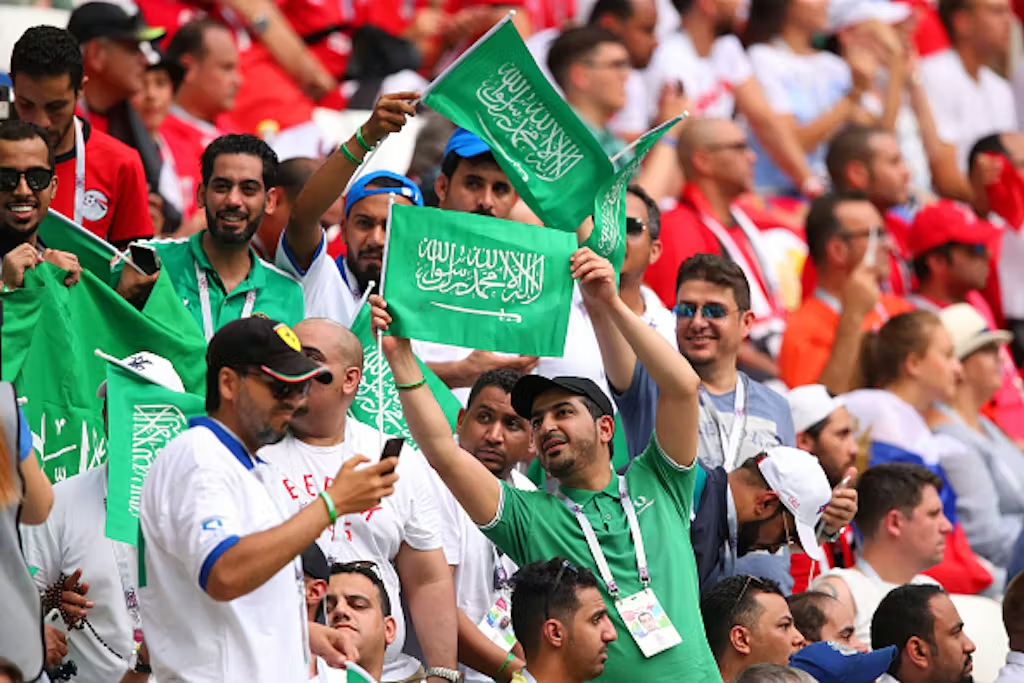
Fans traveling for the tournament will encounter Saudi traditions, cuisine, music, and history. Cultural festivals, fan events, and city-wide celebrations are expected to accompany matches, turning the tournament into a nationwide festival.
These interactions help build understanding and connection, proving that football remains one of the most powerful tools for cultural exchange.
Boost to Sports Tourism
Major tournaments drive tourism, and the Asian Cup is no exception. Hotels, transport, retail, and local businesses are set to benefit from the influx of fans and media.
For Saudi Arabia, this aligns with a broader vision of positioning the country as a leading destination for global events and experiences.
Media, Broadcasting, and Digital Reach
The 2027 Asian Cup will reach millions of viewers across Asia and beyond. With modern broadcasting technology and digital platforms, fans will engage with the tournament in more ways than ever before.
Telling Human Stories Through Football
Beyond goals and results, the tournament will highlight personal journeys. Underdog teams, rising stars, emotional comebacks, and passionate supporters will form the human stories that define the competition.
Saudi Arabia’s role as host adds another narrative layer, one focused on transformation, ambition, and national pride.
Challenges and Expectations
With great opportunity comes high expectation. Hosting a tournament of this scale requires precise planning, coordination, and adaptability.
Saudi Arabia will need to ensure smooth logistics, fan safety, and consistent quality across venues. Meeting these expectations will be critical in shaping how the 2027 Asian Cup is remembered.
Turning Pressure into Pride
Rather than viewing expectations as pressure, Saudi Arabia has the chance to turn them into motivation. By delivering an organized, exciting, and welcoming tournament, the country can set a new benchmark for future Asian Cups.
A Legacy That Extends Beyond 2027
The true success of the 2027 AFC Asian Cup will be measured not only by attendance or television ratings, but by what remains afterward.
Long-Term Football Infrastructure
Upgraded stadiums, training facilities, and sports programs will continue to serve athletes and communities long after the tournament ends. These assets form the backbone of sustainable football growth.
Strengthening Asia’s Football Identity
By hosting a memorable Asian Cup, Saudi Arabia contributes to a stronger collective identity for Asian football. It reinforces the idea that Asia can deliver tournaments that are competitive, emotionally powerful, and globally respected.
Looking Ahead with Confidence
The 2027 AFC Asian Cup in Saudi Arabia is more than a sporting event. It is a statement of belief in football’s power to unite, inspire, and transform. For fans across Asia, it represents anticipation, pride, and the promise of unforgettable moments.
As the countdown continues, one thing is clear. The 2027 Asian Cup is set to be a landmark chapter in Asian football history, with Saudi Arabia ready to welcome the continent and leave a legacy that lasts far beyond the final match.
Do follow Gulf Magazine on Instagram.
Also Read – Sports Tourism in the Gulf: How GCC Is Targeting a $2 Trillion Market

