

Gulf stock markets moved into the final days of December with a measured and cautious tone as fluctuating oil prices shaped investor behavior across the region. While no sense of panic dominated trading floors, confidence softened as investors paused to reassess strategies amid ongoing global energy uncertainty. The close relationship between oil performance and Gulf market sentiment once again came into sharp focus, reminding traders of the region’s deep economic connection to energy markets.
As oil prices showed signs of volatility, market participants leaned toward preservation rather than aggressive expansion. This cautious mood, however, also reflected maturity in Gulf markets, where investors increasingly balance short-term fluctuations with long-term economic fundamentals.
Oil Prices and Their Influence on Gulf Market Psychology
Oil remains the backbone of Gulf economies, and even modest price movements tend to ripple through financial markets. When prices fluctuate, investors often interpret these shifts as signals of broader economic trends, from global demand patterns to geopolitical developments.
In recent sessions, oil price movements introduced uncertainty rather than clear direction. This uncertainty encouraged investors to slow decision-making, carefully analyzing whether price changes reflected temporary market noise or deeper structural shifts in global energy demand. As a result, many traders opted to hold positions, waiting for clearer signals before making bold moves.
Investor Caution Reflects Strategic Thinking, Not Fear
The cautious mood seen across Gulf markets should not be mistaken for pessimism. Instead, it reflects a growing sophistication among regional investors. Rather than reacting impulsively, traders are increasingly focused on risk management, portfolio balance, and long-term resilience.
Institutional investors, in particular, showed a preference for defensive positioning, favoring stable sectors and companies with strong balance sheets. Retail investors followed suit, mirroring the broader market’s wait-and-watch approach. This collective restraint highlights how Gulf markets are evolving beyond purely sentiment-driven trading.
Sector Performance Shows Mixed Reactions
Different sectors responded in varied ways to oil price movements. Energy-related stocks remained closely aligned with oil trends, experiencing mild pressure during periods of price uncertainty. However, the declines were largely controlled, suggesting confidence in the long-term outlook of the energy sector.
Meanwhile, banking and financial stocks showed relative stability, supported by strong capital positions and expectations of steady regional growth. Consumer and telecommunications sectors also displayed resilience, benefiting from domestic demand and government-backed development initiatives.
This mixed performance underscored the increasing diversification of Gulf markets, where oil remains influential but no longer dictates every market move.
Year-End Trading Adds to Market Caution
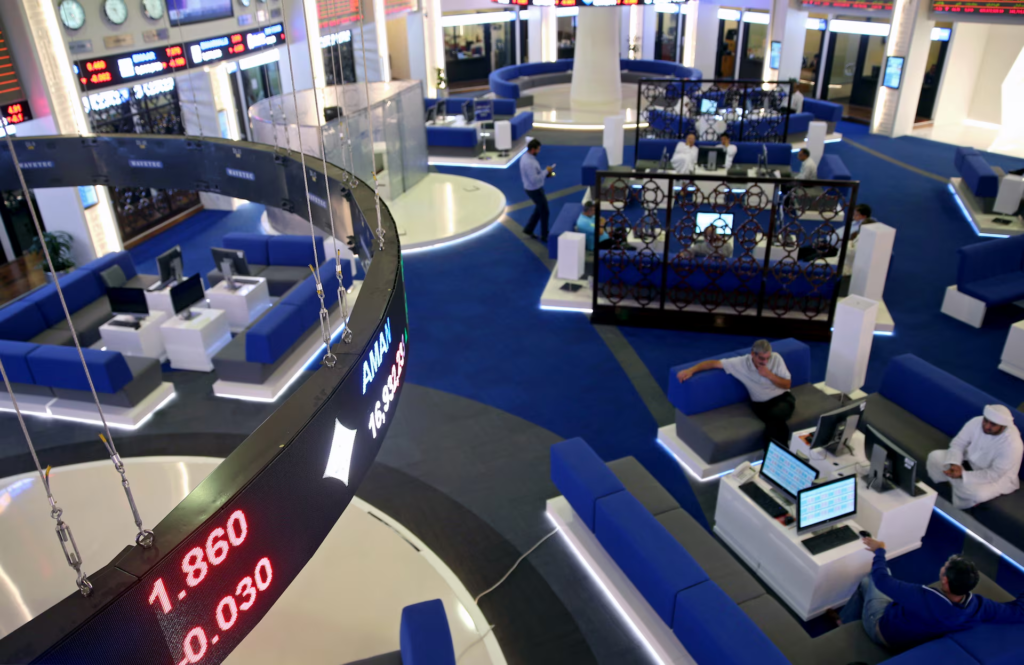
The timing of these movements, coinciding with the final trading days of December, added another layer of caution. Year-end periods are traditionally marked by lower liquidity as institutional investors close books and rebalance portfolios.
During such phases, even small oil price movements can have an outsized psychological impact. Traders prefer clarity before committing fresh capital, especially when global markets are also navigating inflation concerns, interest rate expectations, and shifting energy policies.
The result was a market environment defined by reduced volumes, selective buying, and careful profit-taking.
Global Energy Uncertainty Shapes Regional Outlook
Global energy markets continue to face uncertainty driven by supply dynamics, demand forecasts, and geopolitical considerations. For Gulf investors, these global factors translate directly into local market sentiment.
Unclear signals from major oil-consuming economies, combined with evolving energy transition policies, have encouraged investors to factor in multiple scenarios. Rather than betting on a single outcome, market participants are increasingly building flexible strategies that can adapt to both rising and falling oil prices.
This approach reflects a broader shift toward resilience and adaptability in Gulf financial markets.
Government Policies Provide a Confidence Buffer
Despite short-term caution, government support continues to play a stabilizing role across Gulf markets. Ongoing infrastructure projects, diversification programs, and fiscal reforms provide investors with confidence that regional economies are well-positioned for sustainable growth.
These initiatives help offset concerns related to oil price volatility, reinforcing the idea that Gulf markets are not solely dependent on energy revenues. As a result, long-term investors remain optimistic, viewing temporary caution as a healthy market response rather than a warning sign.
Foreign Investors Take a Measured Approach
Foreign investors also adopted a cautious stance, closely monitoring oil trends while assessing currency stability and economic indicators. While some short-term inflows slowed, long-term interest in Gulf markets remained intact.
The region’s transparent regulatory frameworks, improving corporate governance, and ambitious economic visions continue to attract global capital. Oil price movements may influence timing, but they are unlikely to derail broader investment interest in the Gulf.
Market Sentiment Highlights Growing Maturity
One of the most notable aspects of the current market mood is its calm and calculated nature. Unlike past cycles where oil price swings triggered sharp reactions, today’s Gulf markets demonstrate greater emotional discipline.
This maturity reflects years of structural reform, improved market infrastructure, and increased participation from institutional investors. It also shows that market confidence, while influenced by oil, is increasingly supported by non-oil growth drivers.
Short-Term Uncertainty, Long-Term Optimism
While caution defines the current trading environment, optimism remains a key undercurrent. Many investors view oil price movements as part of a normal market cycle rather than a threat to regional stability.
Long-term growth prospects, driven by economic diversification, digital transformation, and expanding private sectors, continue to support positive outlooks. As clarity emerges in global energy markets, confidence is expected to strengthen further.
Outlook for Gulf Markets as the New Year Approaches
As markets prepare to enter the new year, investors are likely to maintain their cautious but constructive stance. Oil prices will remain a critical factor, but attention will also turn to earnings outlooks, policy announcements, and global economic signals.
The current phase serves as a reminder that Gulf markets are learning to navigate volatility with balance and foresight. Rather than reacting impulsively, investors are prioritizing stability, strategy, and sustainability.
Conclusion: Caution Signals Strength, Not Weakness
Oil price movements have undoubtedly created a cautious mood across Gulf markets, but this caution reflects confidence built on experience rather than fear. Investors are responding thoughtfully, reassessing positions while staying engaged with long-term opportunities.
As the region continues to diversify and strengthen its economic foundations, Gulf markets are proving that they can absorb uncertainty without losing direction. In this evolving landscape, cautious optimism may well be the strongest signal of market health.
Do follow Gulf Magazine on Instagram.
Also Read – Kuwait Fuel Prices 2026 Set for First Quarter Stability

