


Regional Markets React to Global Economic Signals as Gulf stock exchanges navigate a complex mix of global inflation pressures, shifting energy prices, and evolving international market trends. Investors across the region are responding with measured strategies rather than sharp reactions, signaling growing confidence in long-term economic fundamentals.
Trading activity across the region reflects a balanced mindset. Rather than aggressive buying or selling, investors appear focused on preserving value while positioning themselves for potential opportunities ahead. This steady approach highlights growing maturity in Gulf markets, where diversification and long-term planning are increasingly guiding decisions.
Inflation Concerns Influence Market Psychology
One of the most influential global signals impacting Gulf markets is persistent concern around inflation. Even as inflation shows signs of easing in some regions, uncertainty about its long-term trajectory continues to influence investment strategies.
For Gulf investors, inflation abroad matters because it affects global capital flows, consumer demand, and central bank policies. Expectations around interest rate adjustments in major economies have prompted regional traders to reassess exposure to risk-sensitive sectors while maintaining confidence in fundamentally strong companies.
This has resulted in selective trading patterns, with investors favoring stocks that demonstrate pricing power, stable earnings, and resilience against global cost pressures.
Energy Prices Remain Important but No Longer Dominant
Energy prices continue to play a vital role in shaping Gulf market sentiment, but they are no longer the sole focus. Recent fluctuations in oil prices have added to short-term uncertainty, yet markets have avoided sharp reactions.
This measured response reflects a structural shift across the region. Governments and businesses have spent years reducing overdependence on oil revenues, and the results are becoming increasingly visible in stock market behavior. Investors now assess energy movements alongside other economic indicators rather than reacting to them in isolation.
As a result, oil-related volatility has become one factor among many rather than a decisive trigger for widespread market swings.
Global Market Trends Shape Regional Trading
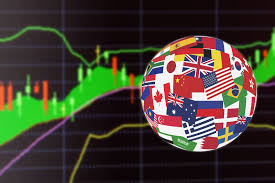
International equity markets have also influenced sentiment across Gulf exchanges. Movements in global indices, changes in investor risk appetite, and shifts in emerging market allocations all feed into regional decision-making.
Gulf markets are now more interconnected with global financial systems than ever before. Institutional investors, both local and international, continuously compare regional performance against global benchmarks. This has encouraged a more disciplined approach to trading, with greater emphasis on fundamentals rather than short-term speculation.
Such integration has helped reduce excessive volatility while enhancing overall market stability.
Defensive Sectors Gain Investor Attention
In response to global uncertainty, defensive sectors have gained increased interest across Gulf markets. Banking, utilities, telecommunications, and consumer staples have attracted steady inflows as investors seek reliability and predictable returns.
Financial institutions, in particular, continue to benefit from strong balance sheets, solid capital buffers, and prudent lending practices. Their ability to generate stable income even in uncertain global conditions has made them attractive to both retail and institutional investors.
This shift does not signal fear but rather a strategic adjustment, reflecting thoughtful portfolio positioning rather than panic-driven behavior.
Investor Sentiment Turns Toward 2026 Outlook
Market participants are increasingly looking beyond immediate conditions and focusing on early indicators for 2026. Economic forecasts, government spending plans, and long-term development projects are all being factored into investment decisions.
Gulf countries have laid out ambitious visions for economic transformation, and investors are beginning to evaluate how these plans may translate into corporate earnings growth over the coming years. Infrastructure expansion, tourism development, technology adoption, and industrial diversification remain central themes shaping expectations.
This forward-looking perspective has helped anchor market confidence even as global uncertainty persists.
Regional Reforms Support Market Stability
Structural reforms across Gulf economies continue to provide a strong foundation for investor confidence. Improvements in regulatory frameworks, enhanced transparency, and greater foreign investment access have strengthened market credibility.
Stock exchanges in the region have introduced reforms aimed at improving liquidity and governance, making them more attractive to long-term investors. These efforts have contributed to a calmer trading environment, even when global headlines generate uncertainty.
The ability of regional markets to absorb external shocks without significant disruption highlights the success of these reforms.
Currency Stability Provides Added Confidence
Currency stability has also played a crucial role in supporting Gulf markets. Pegged exchange rate systems and strong foreign reserves have insulated regional economies from the volatility seen in other emerging markets.
For investors, this stability reduces risk and enhances predictability, particularly when global currencies fluctuate due to monetary policy changes. As a result, Gulf assets continue to be viewed as relatively safe within the broader emerging market landscape.
This confidence has helped maintain steady capital flows despite global economic crosscurrents.
Market Liquidity Reflects Balanced Participation
Trading volumes across Gulf exchanges suggest healthy participation rather than speculative excess. Institutional investors remain active, while retail participation continues to grow gradually, supported by improved access to market information and digital trading platforms.
This balanced liquidity profile contributes to smoother price discovery and reduces the likelihood of sudden market swings. It also reflects growing financial literacy and investor sophistication across the region.
Markets that combine depth with diversity are better positioned to navigate uncertain global conditions, and the Gulf appears to be moving steadily in that direction.
Strategic Patience Defines Current Market Phase
Rather than reacting impulsively to every global development, Gulf markets are demonstrating strategic patience. Investors are closely monitoring data releases, policy signals, and economic forecasts, but they are choosing measured responses over emotional decisions.
This patient approach suggests confidence in the region’s long-term economic trajectory. While short-term volatility remains possible, the broader outlook is supported by diversification efforts, fiscal discipline, and strong institutional frameworks.
Such discipline positions Gulf markets to benefit when global conditions eventually stabilize.
Looking Ahead With Cautious Optimism
As global economic signals continue to evolve, Gulf markets are likely to remain in a cautious yet confident mode. The interplay between inflation trends, energy dynamics, and international market movements will shape sentiment, but underlying fundamentals remain supportive.
Investors appear well-prepared to navigate uncertainty, guided by long-term visions rather than short-term noise. This maturity marks a significant shift in regional market behavior and reinforces the Gulf’s growing role as a stable and attractive investment destination.
With eyes firmly on early indicators for 2026, regional markets are not just reacting to global signals they are actively interpreting them with confidence, resilience, and strategic clarity.
Do follow Gulf Magazine on Instagram.
Also Read – Energy Outlook Shifts, But Smart Investors Rebalance Portfolios Successfully

