

Interest rates sit at the heart of the global financial system. When central banks raise or lower rates, capital flows shift, currencies react, and investor sentiment changes almost instantly. For emerging markets, these shifts can be challenging, as higher global interest rates often pull money back toward developed economies, strengthening the US dollar and tightening liquidity worldwide.
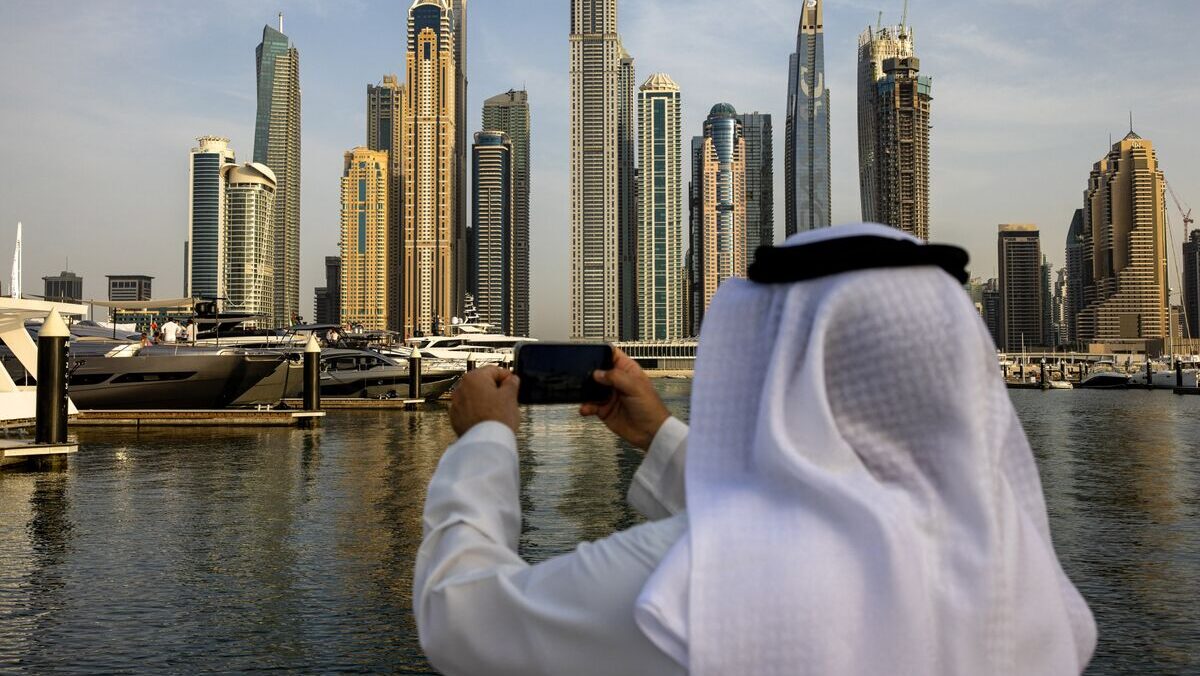
Yet, not all emerging markets respond the same way. While some struggle under the pressure of rising borrowing costs and weaker currencies, the Gulf region has consistently shown resilience. In many cases, it has turned higher interest rates into an advantage rather than a threat. This unique position makes the Gulf a standout story in today’s evolving global economy.
Why Emerging Markets Usually Struggle With Higher Rates
Traditionally, rising interest rates create headwinds for emerging markets. Many rely on foreign capital to fund growth, infrastructure, and government spending. When rates rise in advanced economies, investors often seek safer, higher-yielding assets at home, reducing exposure to riskier markets.
This shift can lead to capital outflows, weaker currencies, higher inflation, and increased debt servicing costs. Countries with large fiscal deficits or high external debt feel the pressure most. Growth slows, confidence weakens, and policymakers are forced into difficult trade-offs between supporting growth and defending currency stability.
Against this backdrop, the Gulf’s performance appears exceptional.
The Gulf’s Structural Advantage in a High-Rate World
One of the most important reasons the Gulf benefits from rising interest rates lies in its economic structure. Gulf economies are fundamentally different from many emerging markets. Strong fiscal positions, large foreign reserves, and decades of prudent financial management provide a solid foundation during periods of global tightening.
Most Gulf currencies are pegged to the US dollar, which offers stability at a time when currency volatility is rising elsewhere. When the US Federal Reserve raises rates, Gulf central banks often follow, helping maintain the peg and ensuring monetary credibility. Rather than triggering instability, these moves reinforce confidence in the region’s financial systems.
Oil Revenues Strengthen the Gulf’s Position
Energy remains a central pillar of the Gulf economy. Higher interest rates often coincide with periods of economic adjustment and inflation concerns, which can support oil prices over the medium term. Strong energy revenues translate directly into healthier government finances across the Gulf.
With oil income flowing in, governments are better equipped to manage higher interest rates without cutting spending or increasing debt aggressively. This financial cushion allows continued investment in infrastructure, technology, tourism, and social development, even when global conditions are tight.
For investors, this combination of monetary discipline and fiscal strength is highly attractive.
Strong Banking Systems and Liquidity
Gulf banks are among the strongest in the emerging market world. Well-capitalized, tightly regulated, and highly liquid, they benefit directly from higher interest rates. As rates rise, banks often see improved net interest margins, boosting profitability and balance sheet strength.
This financial health feeds into the broader economy. Banks are able to continue lending to businesses and consumers, supporting growth rather than constraining it. In contrast to other emerging markets where credit conditions tighten sharply, the Gulf often experiences a more balanced and controlled adjustment.
Investor Confidence and Capital Inflows
Rising interest rates tend to reward stability, and the Gulf offers exactly that. Sovereign wealth funds, long-term development strategies, and transparent regulatory reforms have positioned the region as a safe haven within the emerging market universe.
As global investors reassess risk, the Gulf increasingly attracts capital looking for yield without excessive volatility. Equity markets benefit from stronger corporate earnings, while bond markets gain from improving yields backed by credible fiscal management. This steady inflow of capital reinforces market depth and resilience.
Currency Stability Builds Long-Term Trust
Currency risk is one of the biggest concerns for investors in emerging markets. Sharp devaluations can wipe out returns overnight. The Gulf’s dollar pegs significantly reduce this risk, offering predictability that few other emerging economies can match.
In a high-rate environment, this stability becomes even more valuable. Investors can focus on fundamentals such as growth prospects, dividends, and long-term strategies rather than worrying about sudden currency shocks. This trust supports sustained investment rather than short-term speculation.
Economic Diversification Gains Momentum
Higher interest rates globally have encouraged Gulf governments to accelerate economic diversification. Initiatives across technology, renewable energy, logistics, healthcare, and tourism are reducing reliance on oil while creating new engines of growth.
Strong fiscal positions allow governments to invest in these sectors without overextending themselves. As a result, the Gulf is emerging not just as an energy powerhouse, but as a diversified economic hub capable of thriving across multiple cycles.
This transformation strengthens the region’s appeal during periods of global uncertainty.

Stock Markets Benefit From Rate Discipline
Gulf equity markets often perform well during periods of rising interest rates. Financial stocks gain from improved margins, while energy and infrastructure companies benefit from continued government investment and stable demand.
Unlike many emerging markets, where rate hikes signal economic stress, in the Gulf they are often seen as a sign of strength and alignment with global monetary standards. This perception supports valuations and encourages long-term participation from institutional investors.
Real Estate and Consumer Confidence Remain Resilient
Higher interest rates typically slow real estate and consumer spending, but the Gulf has shown notable resilience. Population growth, urban development, and strong employment prospects continue to support demand, especially in major cities.
Government-backed housing initiatives and large-scale development projects help balance the impact of higher borrowing costs. At the same time, rising incomes and business confidence offset some of the pressure on consumers, keeping domestic demand relatively stable.
Sovereign Wealth Funds as a Strategic Buffer
One of the Gulf’s greatest strengths is its sovereign wealth funds. These massive pools of capital provide flexibility during volatile global cycles. When interest rates rise and markets fluctuate, sovereign funds can invest counter-cyclically, supporting local markets and seizing global opportunities.
This long-term approach reduces vulnerability to short-term shocks and reinforces the perception of the Gulf as a stable and forward-looking investment destination.
Why the Gulf Stands Out Among Emerging Markets
The Gulf’s success in a high-interest-rate environment is not accidental. It reflects decades of strategic planning, disciplined fiscal management, and a clear vision for the future. Strong institutions, credible policies, and financial buffers allow the region to navigate global tightening with confidence.
While other emerging markets struggle to adjust, the Gulf often emerges stronger, more attractive, and better positioned for long-term growth.
The Road Ahead for Gulf Markets
As global interest rates continue to influence investment decisions, the Gulf’s advantages are likely to remain intact. Continued reforms, diversification efforts, and infrastructure development will further strengthen the region’s position.
For investors seeking exposure to emerging markets with stability, yield, and growth potential, the Gulf offers a compelling story. In a world of uncertainty, it stands as a reminder that higher interest rates do not have to mean slower progress. When managed well, they can become a powerful catalyst for confidence, resilience, and sustainable prosperity.
Do follow Gulf Magazine on Instagram.
Also Read – Foreign Investment Trends Shaping Gulf Economies

