


The GCC Tourist Visa is one of the most anticipated travel developments in the Middle East. Designed to simplify travel across the Gulf region, this unified visa aims to allow tourists to explore multiple Gulf countries with a single permit, much like the Schengen visa in Europe. For travelers, families, business visitors, and tourism operators, this initiative promises easier movement, longer stays, and richer travel experiences across the region.
As the Gulf continues to position itself as a global tourism and business hub, the GCC Tourist Visa reflects a shared vision of openness, connectivity, and economic growth. This guide explains everything you need to know about the GCC Tourist Visa in a clear, human-friendly way.
What Is the GCC Tourist Visa?
The GCC Tourist Visa is a proposed unified travel visa that allows eligible travelers to visit all member states of the Gulf Cooperation Council using one visa. Instead of applying separately for each country, visitors can move freely across participating Gulf nations during the visa’s validity period.
The goal is simple yet powerful: remove barriers, reduce paperwork, and encourage travelers to experience the Gulf as one connected destination rather than separate stops.
GCC Countries Covered Under the Tourist Visa
Once fully implemented, the GCC Tourist Visa is expected to cover all six Gulf Cooperation Council member states.
These countries include the United Arab Emirates, Saudi Arabia, Qatar, Bahrain, Kuwait, and Oman.
Each of these nations offers a distinct travel experience, from futuristic cities and luxury resorts to deserts, heritage towns, mountains, and pristine coastlines. The unified visa allows tourists to combine these experiences into a single, seamless journey.
Why the GCC Tourist Visa Matters
Travelers often face repetitive visa applications, documentation, and fees when visiting multiple Gulf countries. The GCC Tourist Visa addresses this challenge by creating a single entry system that saves time, money, and effort.
For tourists, it means more freedom to plan spontaneous trips across borders. For families, it means smoother vacations without administrative stress. For the region, it means increased tourism spending, longer stays, and stronger cultural exchange.

Who Is Eligible for the GCC Tourist Visa?
Eligibility criteria for the GCC Tourist Visa are designed to align with existing tourism policies across the Gulf while maintaining security and regulatory standards.
In general, the visa is expected to be available to international tourists who meet standard entry requirements, such as having a valid passport, confirmed travel plans, and sufficient financial means. Nationals from countries that already enjoy visa-on-arrival or e-visa access to Gulf states are likely to be among the first eligible groups.
The final eligibility list may vary depending on nationality, travel history, and bilateral agreements between GCC states.
GCC Tourist Visa Validity and Duration of Stay
The unified visa is expected to offer flexible validity periods, allowing travelers to stay in the Gulf for several weeks or months. While exact durations may differ in the final rollout, the overall idea is to encourage longer visits and multi-country itineraries.
Instead of short, rushed trips, visitors can explore the region at a relaxed pace, spending time in each country without worrying about crossing borders or reapplying for visas.
Entry and Exit Rules You Should Know
Although the GCC Tourist Visa allows movement across multiple countries, travelers will still need to comply with entry and exit rules of each member state. This includes respecting local laws, cultural norms, and immigration regulations.
Some countries may require travelers to enter through designated ports or provide accommodation details upon arrival. Passport validity requirements and travel insurance rules are also expected to apply.
How the Application Process Is Expected to Work
The application process for the GCC Tourist Visa is designed to be digital and user-friendly. Travelers are expected to apply online through a unified platform, submit required documents, and receive approval electronically.
This streamlined process reduces paperwork, minimizes embassy visits, and makes planning a Gulf trip far more convenient, especially for international travelers unfamiliar with regional visa systems.
Key Documents Likely Required
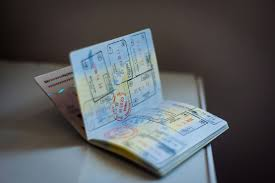
While official requirements will be confirmed upon full launch, travelers can expect to submit common documents such as a valid passport, recent photographs, proof of accommodation, return or onward travel tickets, and travel insurance.
Financial proof may also be requested to ensure visitors can support themselves during their stay across the Gulf.
Benefits of the GCC Tourist Visa for Travelers
The most obvious benefit is convenience. One visa, multiple destinations, and fewer administrative hurdles.
Travelers can combine shopping in Dubai, heritage exploration in Saudi Arabia, cultural experiences in Qatar, beach relaxation in Oman, city breaks in Kuwait, and island escapes in Bahrain, all in one trip.
The unified visa also makes the Gulf more attractive for repeat visits, family vacations, cruise tourism, and long-haul travelers seeking diverse experiences in a single region.
Economic and Tourism Impact on the Gulf
The GCC Tourist Visa is expected to significantly boost tourism revenues across the region. By encouraging longer stays and multi-country travel, tourists are more likely to spend on hotels, restaurants, transport, shopping, and attractions.
Tour operators, airlines, and hospitality businesses stand to benefit from increased demand and more integrated travel packages. The visa also supports the Gulf’s broader vision of economic diversification beyond oil.
Cultural Exchange and Regional Connectivity
Beyond economics, the visa promotes cultural understanding and regional unity. Visitors gain a deeper appreciation of the Gulf’s shared heritage and unique national identities.
For residents within the region, the initiative strengthens cross-border cooperation and positions the Gulf as a welcoming, globally connected destination.
Challenges and Considerations
While the GCC Tourist Visa offers immense promise, implementation requires careful coordination among member states. Aligning immigration systems, security protocols, and regulatory frameworks is a complex process.
Travelers should also stay informed about updates, as rules, eligibility, and timelines may evolve during the rollout phase.
Tips for Travelers Planning Ahead
If you’re planning a future Gulf trip, keep your passport valid for at least six months, monitor official announcements, and prepare digital copies of travel documents. Flexible itineraries and travel insurance can also help you make the most of the unified visa once it becomes fully operational.
Staying informed ensures you’re ready to take advantage of this exciting new travel opportunity as soon as it launches.
The Future of Travel in the Gulf
The GCC Tourist Visa represents a bold step toward making the Gulf one of the world’s most accessible and attractive travel regions. It reflects confidence, cooperation, and a shared vision for the future.
For travelers, it promises simplicity, freedom, and unforgettable journeys. For the Gulf, it marks a new chapter in tourism, connectivity, and global engagement.
Do follow Gulf Magazine on Instagram.
Also Read – Benefits of a Unified GCC Visa for Tourists and Businesses

