

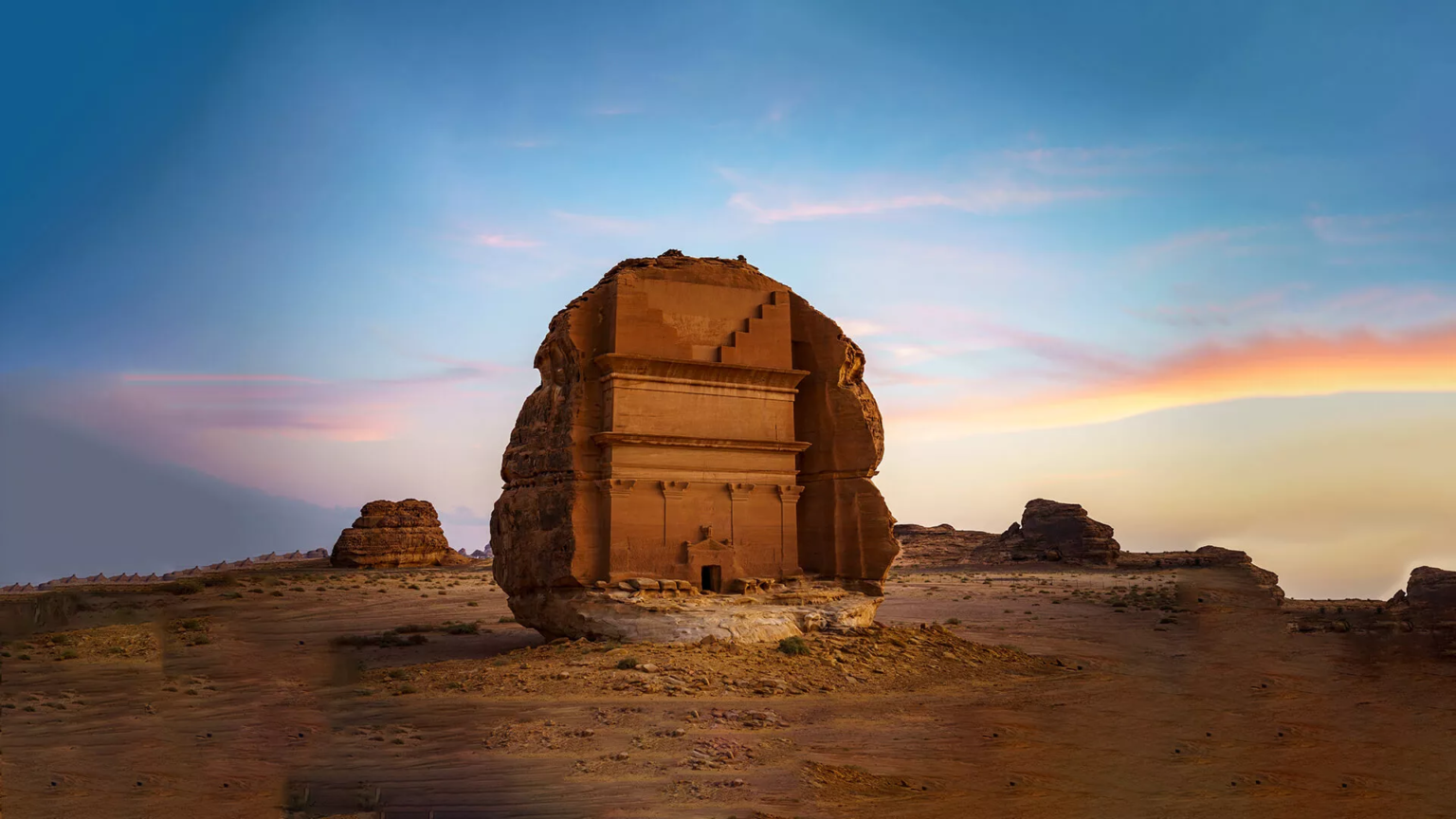
Saudi Arabia has taken a decisive step toward reshaping the future of one of its most treasured regions. By lifting the long-standing ban on land sales in AlUla, the Kingdom has opened the doors to a new wave of real estate investment, development, and sustainable growth. This move is not just about property transactions. It reflects a broader vision to balance heritage preservation with economic opportunity, positioning AlUla as a global destination for culture, tourism, and responsible development.
For years, AlUla remained largely protected from private land sales, ensuring its archaeological and environmental wealth stayed intact. Now, with clear regulations and a controlled framework, Saudi Arabia is inviting investors, developers, and entrepreneurs to participate in shaping AlUla’s future while respecting its past.
Understanding AlUla’s Unique Importance
A Living Museum of History and Culture
AlUla is unlike any other place in the region. Home to ancient civilizations, dramatic sandstone landscapes, and UNESCO-recognised heritage sites, it carries thousands of years of human history within its valleys and rock formations. From Nabataean tombs to old trading routes, AlUla tells stories that span centuries.
Because of this deep historical value, development in AlUla has always required a delicate approach. The land sale ban was originally introduced to protect this irreplaceable heritage from unplanned urban expansion and commercial misuse.
A Strategic Pillar of Vision 2030
AlUla plays a vital role in Saudi Arabia’s Vision 2030 strategy. The Kingdom aims to diversify its economy beyond oil, with tourism, culture, and real estate emerging as key growth drivers. AlUla has been positioned as a flagship destination that combines luxury tourism, cultural experiences, and environmental sustainability.
Lifting the land sale ban aligns with this vision by allowing carefully managed private investment to complement public initiatives and accelerate development.
Why the Land Sale Ban Was Lifted
Encouraging Responsible Private Investment
One of the main reasons behind lifting the ban is to encourage private sector participation. Government-led projects alone cannot fully unlock AlUla’s potential. Allowing land sales enables investors to develop hotels, residential communities, cultural venues, and supporting infrastructure under strict guidelines.
This approach creates a partnership between the public and private sectors, ensuring development is both economically viable and culturally sensitive.
Supporting Local Communities
The decision also empowers local residents and landowners. With land sales now permitted, families and individuals in AlUla gain new economic opportunities. They can monetise land assets, partner with developers, or invest directly in projects that generate long-term income.
This creates a more inclusive growth model where local communities benefit directly from AlUla’s transformation rather than being passive observers.
Creating a Clear Regulatory Framework
The lifting of the ban does not mean unrestricted development. On the contrary, it comes with a structured regulatory framework that defines where, how, and what type of development can occur. Zoning laws, architectural guidelines, and sustainability standards are designed to protect AlUla’s character while enabling growth.
This clarity reduces investor uncertainty and builds confidence in the long-term viability of projects in the region.
What This Means for Real Estate Investors
New Opportunities in a High-Potential Market
For investors, AlUla represents a rare opportunity to enter a market at an early stage of its growth cycle. Demand for hospitality, residential, and mixed-use developments is expected to rise as tourism increases and infrastructure expands.
Luxury eco-resorts, boutique hotels, serviced residences, and culturally inspired housing projects are likely to attract strong interest from both domestic and international buyers.
Long-Term Value Creation
AlUla is not a short-term speculation market. Its value lies in long-term appreciation driven by controlled supply, global tourism appeal, and government-backed development plans. Investors who align with AlUla’s vision, rather than chasing quick returns, are more likely to see sustainable growth.
This makes AlUla particularly attractive to institutional investors and high-net-worth individuals seeking stable, prestige-driven assets.
A Focus on Quality Over Quantity
Unlike mass-market real estate hubs, AlUla prioritises quality, authenticity, and environmental harmony. Developments are expected to blend into the landscape, use local materials, and respect traditional architectural styles.
For developers, this means fewer projects but higher standards, resulting in premium positioning and stronger brand value.
Impact on Tourism and Hospitality
Expanding Accommodation Options
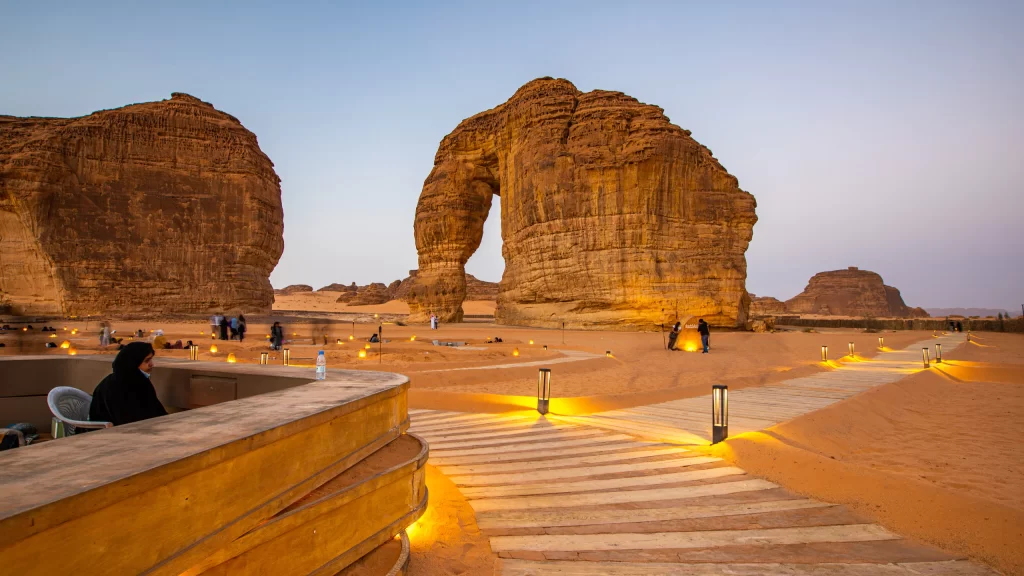
As land sales open up, the hospitality sector is set to benefit significantly. New hotels, lodges, and experiential stays will help meet the growing demand from tourists visiting AlUla’s festivals, heritage sites, and natural attractions.
This expansion will also support year-round tourism, reducing seasonality and increasing average visitor stays.
Enhancing the Visitor Experience
Private investment brings innovation. From wellness retreats to cultural centres and curated lifestyle communities, new developments can enhance how visitors experience AlUla. These projects add depth to the destination, encouraging repeat visits and global recognition.
Sustainability at the Core of Development
Protecting Nature and Heritage
Sustainability is not optional in AlUla. Environmental preservation and cultural protection remain central to all development plans. Land sales are governed by rules that limit overconstruction, protect archaeological zones, and preserve natural habitats.
This ensures that AlUla’s landscapes and heritage sites remain intact for future generations.
Setting a Regional Benchmark
By combining private investment with strict sustainability standards, Saudi Arabia is setting a benchmark for responsible development in the region. AlUla could become a model for how heritage-rich areas can grow economically without losing their identity.
Challenges and Considerations
Balancing Growth and Preservation
One of the biggest challenges will be maintaining the balance between development and conservation. As interest grows, authorities must continue enforcing regulations to prevent overdevelopment and protect AlUla’s unique character.
Managing Investor Expectations
Investors entering AlUla need to understand that this is a carefully curated market. Approval processes may be longer, design restrictions may be tighter, and returns may take time to materialise. Clear communication and realistic expectations will be key to long-term success.
What Lies Ahead for AlUla
A Gradual, Thoughtful Transformation
AlUla’s transformation will not happen overnight. The lifting of the land sale ban marks the beginning of a gradual journey toward becoming a globally admired destination. Each project will add a new layer to AlUla’s story, shaped by history, culture, and innovation.
A New Chapter for Saudi Real Estate
This decision also signals a broader shift in Saudi Arabia’s real estate strategy. By opening up protected regions under controlled frameworks, the Kingdom is demonstrating confidence in its ability to manage growth responsibly while attracting global capital.
Conclusion
Saudi Arabia’s decision to lift the land sale ban in AlUla is a landmark moment for the region and the country’s real estate sector. It unlocks new investment opportunities while reaffirming a commitment to heritage, sustainability, and community-led growth.
For investors, developers, and residents alike, AlUla now stands at the crossroads of tradition and transformation. With the right balance of vision and responsibility, this historic region is poised to become one of the most meaningful and inspiring real estate stories in the Middle East.
Do Follow Gulf Magazine on Instagram
Read More:- Gulf Leaders Shape a Bold New Regional Order 2025

