

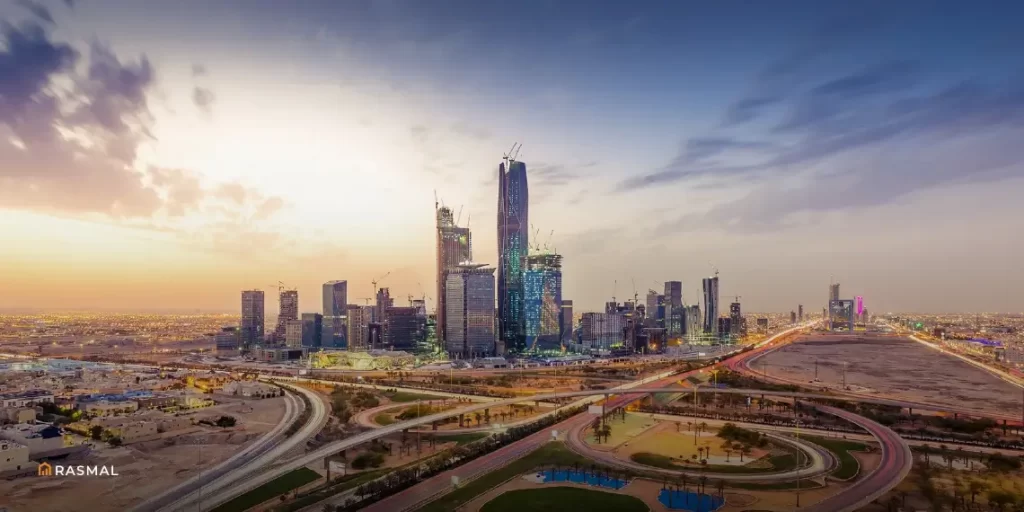
Saudi Arabia’s Vision 2030 is more than a national transformation plan. It is a long-term commitment to redefine how cities grow, how people live, and how economies thrive. Nowhere is this shift more visible than in Riyadh, where real estate has become a central pillar of the Kingdom’s future ambitions. According to insights explored by JLL, Vision 2030 is fundamentally reshaping Riyadh’s property landscape, driving unprecedented growth across residential, commercial, retail, hospitality, and mixed-use developments.
Riyadh is no longer just the political and administrative capital of Saudi Arabia. It is emerging as a global business hub, lifestyle destination, and investment magnet. From large-scale giga-projects to urban regeneration initiatives, the city is being redesigned to support a diversified economy and a rapidly growing population.
Vision 2030 and the Strategic Role of Real Estate
Real Estate as an Economic Enabler
Vision 2030 places real estate at the heart of economic diversification. The sector is seen as a catalyst that supports tourism, financial services, entertainment, logistics, and technology. JLL highlights that government-backed reforms, combined with strong private sector participation, have accelerated development activity across Riyadh.
Large infrastructure investments, regulatory improvements, and foreign investment incentives have created a more transparent and investor-friendly market. This has helped attract both regional and international developers who now view Riyadh as a long-term growth story rather than a short-term opportunity.
Population Growth Driving Demand
Riyadh’s population continues to expand rapidly, supported by urban migration, job creation, and government initiatives aimed at making the city one of the world’s most livable capitals. Vision 2030 targets a significant increase in Riyadh’s population in the coming years, which naturally fuels demand for housing, offices, schools, healthcare facilities, and lifestyle amenities.
This demographic pressure has pushed developers to think beyond traditional real estate models and focus on integrated communities that combine living, working, and leisure in one environment.
The Residential Market Transformation
Shift Toward Modern Living Communities

Residential real estate in Riyadh is undergoing a major evolution. JLL observes a growing preference for master-planned communities that offer security, green spaces, retail outlets, and recreational facilities. Villas and townhouses remain popular, but there is also increasing demand for well-designed apartments, particularly among young professionals and expatriates.
Vision 2030’s housing programs have also improved affordability and homeownership rates, encouraging private developers to align their offerings with national housing goals. As a result, the market is becoming more diverse, catering to multiple income segments.
Sustainability and Quality Take Center Stage
Buyers and tenants are becoming more quality-conscious. Energy efficiency, smart home features, and sustainable design are no longer optional. JLL notes that developers who prioritize sustainability are gaining a competitive edge, as Vision 2030 strongly emphasizes environmental responsibility and efficient resource use.
Commercial Offices and the Rise of Riyadh as a Business Hub
Regional Headquarters Program Boosts Office Demand
One of the most impactful Vision 2030 initiatives for real estate has been the Regional Headquarters Program, which encourages multinational companies to establish their Middle East headquarters in Riyadh. This has significantly increased demand for Grade A office spaces across key business districts.
JLL highlights that companies are looking for flexible, high-quality office environments that support collaboration, innovation, and employee well-being. This has led to a surge in demand for modern office towers equipped with advanced technology and sustainable building standards.
Redefining the Workplace Experience
The office market is no longer just about square footage. Employers want spaces that reflect corporate identity and attract top talent. Mixed-use developments that combine offices with retail, dining, and leisure options are becoming particularly attractive, aligning with Vision 2030’s goal of enhancing quality of life.
Retail Real Estate Enters a New Era
Experience-Led Retail Concepts
Retail real estate in Riyadh is shifting away from traditional shopping formats toward experience-driven destinations. JLL points out that consumers are spending more on entertainment, dining, and social experiences, prompting developers to rethink retail design.
New malls and lifestyle centers are integrating cinemas, cultural spaces, fitness facilities, and outdoor areas. These developments are designed to become community hubs rather than simple shopping venues.
Supporting Local and Global Brands
Vision 2030 encourages entrepreneurship and supports local brands alongside international names. This has created a dynamic retail environment where unique concepts can thrive. Well-located, thoughtfully designed retail spaces are seeing strong demand, particularly in mixed-use projects.
Hospitality and Tourism Fuel Real Estate Growth
Vision 2030’s Tourism Ambitions
Saudi Arabia’s ambition to become a global tourism destination has had a direct impact on Riyadh’s hospitality real estate. Hotels, serviced apartments, and branded residences are being developed to cater to business travelers, tourists, and long-term visitors.
JLL notes that Riyadh’s hospitality sector is benefiting from increased international events, conferences, and cultural festivals. This has strengthened investor confidence and encouraged diversification across hotel categories, from luxury to mid-scale offerings.
Blending Culture and Modern Hospitality
Hospitality developments are increasingly incorporating Saudi culture and identity into their design. This human-centered approach resonates with both local and international guests, supporting Vision 2030’s aim to showcase the Kingdom’s heritage while embracing modernity.
Giga-Projects and Urban Regeneration
Transformational Developments Redefine the City
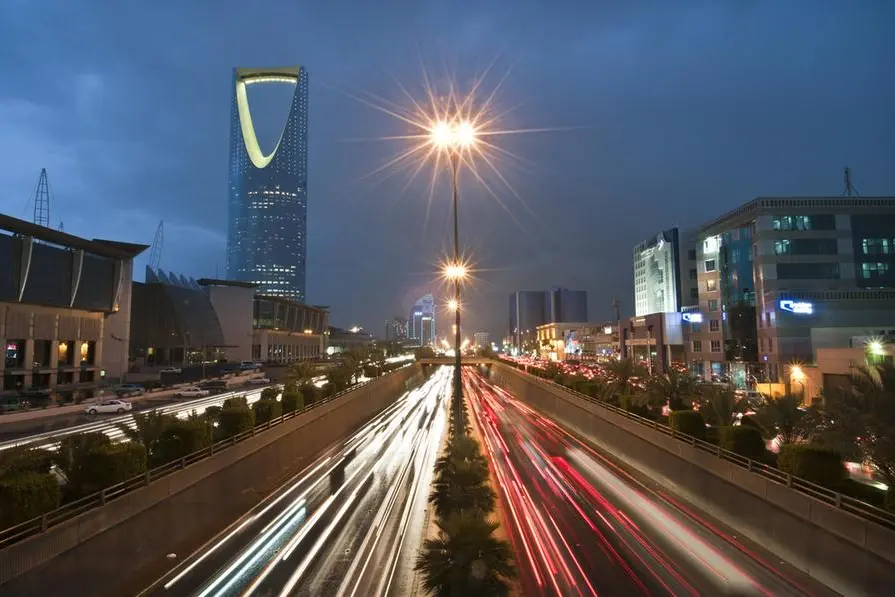
Riyadh is home to several ambitious giga-projects that are redefining the city’s skyline and urban fabric. These developments go beyond real estate, aiming to create complete ecosystems that support business, tourism, and lifestyle aspirations.
JLL emphasizes that such projects are setting new benchmarks for scale, design, and sustainability. They are also reshaping land values and influencing development patterns across surrounding areas.
Revitalizing Existing Neighborhoods
Urban regeneration is another key component of Vision 2030. Older districts are being upgraded with improved infrastructure, public spaces, and transportation links. This not only enhances livability but also unlocks new real estate opportunities within established communities.
Infrastructure and Connectivity as Market Drivers
Transportation Networks Supporting Growth
Massive investments in roads, public transport, and mobility solutions are improving connectivity across Riyadh. Enhanced accessibility has a direct impact on real estate values, opening up new areas for development and reducing pressure on the city center.
JLL highlights that transit-oriented developments are gaining momentum, aligning with Vision 2030’s sustainability and urban efficiency goals.
Smart City Integration
Technology is playing a growing role in Riyadh’s urban development. Smart city solutions are being integrated into new projects, improving energy management, security, and resident experiences. This digital transformation is making Riyadh more attractive to global investors and residents alike.
Investment Landscape and Market Confidence
Growing International Interest
Vision 2030 reforms have significantly improved market transparency and regulatory clarity. JLL observes rising interest from international investors who see Riyadh as a stable, high-growth market with long-term potential.
Joint ventures between local and global developers are becoming more common, combining local market knowledge with international expertise.
Long-Term Outlook Remains Positive
Despite global economic uncertainties, Riyadh’s real estate market continues to demonstrate resilience. Government commitment, strong fundamentals, and a clear strategic vision provide confidence for developers, investors, and end-users.
The Human Impact of Vision 2030 on Real Estate
Building Communities, Not Just Buildings
At its core, Vision 2030 is about people. Real estate developments in Riyadh are increasingly focused on creating environments where residents feel connected, supported, and inspired. Walkability, green spaces, and community facilities are now essential elements of successful projects.
JLL’s perspective highlights that the most successful developments are those that balance commercial returns with social value.
Shaping a City for Future Generations
Riyadh’s transformation is not a short-term trend. It is a generational shift that will define how the city functions for decades to come. Real estate is both a reflection and a driver of this change, shaping daily life while supporting national ambitions.
Conclusion: Riyadh Real Estate in the Vision 2030 Era
Vision 2030 has fundamentally changed the trajectory of Riyadh’s real estate market. Through bold reforms, strategic investments, and a clear focus on quality of life, the city is emerging as one of the most exciting real estate markets in the region. JLL’s exploration of this transformation underscores a powerful message: Riyadh is not just growing, it is evolving with purpose.
As Vision 2030 continues to unfold, real estate will remain a cornerstone of Riyadh’s success story, connecting economic growth with human-centered urban development and positioning the city confidently on the global stage.
Do Follow Gulf Magazine on Instagram
Read More:- Gulf Leaders Shape a Bold New Regional Order 2025

