

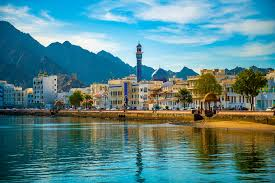
Oman is taking a giant step toward redefining its role in the global agricultural market. With a new strategic project aimed at positioning the country as a global grain trading hub, Oman is set to become a central player in the international food supply chain. This initiative is not just about trade; it’s about creating economic resilience, boosting local employment, and opening doors for international collaboration.
The vision is clear: leverage Oman’s geographic advantage, modern infrastructure, and regulatory framework to create a hub that connects grain producers and consumers worldwide. Experts believe this could transform Oman into a vital link in global food security.
Strategic Location and Its Advantage
Oman’s strategic position along the Arabian Sea makes it a natural gateway for trade between Asia, Africa, and the Middle East. Its ports, including Sohar and Salalah, have been modernized to handle large-scale grain imports and exports efficiently. By connecting these ports with inland logistics and storage facilities, Oman is creating a seamless network that can handle massive volumes of grain.
The country’s location allows for faster and more cost-effective trade routes. This advantage is crucial in a sector where timely delivery can significantly impact market prices and global supply chains. Oman’s plan also emphasizes expanding its port capacities, investing in state-of-the-art storage silos, and incorporating advanced handling technologies to maintain quality and reduce losses.
Investment in Infrastructure and Technology
The success of a global grain hub depends heavily on infrastructure. Oman has announced significant investments in modern port facilities, cold storage units, and grain silos. These facilities are designed to handle multiple types of grains, ensuring that quality and safety standards are met at every step.
Technology is at the heart of this transformation. Smart systems for inventory management, real-time tracking, and automated handling processes will enhance efficiency. This integration of technology ensures Oman can compete with long-established global grain trading hubs while maintaining transparency and reliability for international partners.
Economic Benefits for Oman

Creating a global grain trading hub is not only about international trade; it also promises significant economic benefits for Oman. The project is expected to generate thousands of jobs in logistics, operations, and administration. It will stimulate related industries, including transportation, warehousing, and agricultural services, creating a ripple effect throughout the economy.
Local farmers and grain producers will also gain access to international markets, boosting their income and promoting sustainable agricultural practices. By integrating domestic production with global supply chains, Oman is ensuring that the benefits of this project are felt across multiple levels of society.
Strengthening Global Partnerships
One of the most crucial elements of Oman’s strategy is building strong global partnerships. The country is actively engaging with international grain suppliers, trading companies, and logistics providers to ensure a steady flow of goods. These collaborations will not only increase Oman’s trade volumes but also enhance its credibility as a reliable partner in the global grain market.
Additionally, Oman is exploring partnerships with neighboring countries to develop regional supply chains. This approach ensures that the hub is not only a point of export but also a center for regional distribution, further increasing its strategic importance.
Sustainability and Food Security
Beyond economic growth, the project is also focused on sustainability and food security. Oman aims to implement environmentally friendly practices in its grain storage and handling processes, minimizing waste and reducing its carbon footprint.
The hub will also contribute to global food security by ensuring a consistent and reliable supply of grains. In a world facing increasing challenges in food production due to climate change and population growth, Oman’s project could serve as a model for resilient and sustainable grain trade practices.
Challenges and Road Ahead
No project of this scale is without challenges. Oman will need to address logistical bottlenecks, maintain high-quality standards, and navigate the complexities of international trade regulations. Competition from established grain hubs like Singapore, Rotterdam, and Dubai will also require Oman to continuously innovate and improve its services.
However, with strong government support, strategic planning, and a focus on long-term growth, these challenges are manageable. Oman’s proactive approach to technology, infrastructure, and partnerships provides a solid foundation for success.
A Vision for the Future
The ambition to position Oman as a global grain trading hub is more than just a trade initiative; it’s a statement about Oman’s vision for the future. By investing in infrastructure, technology, and partnerships, the country is setting the stage for long-term economic growth and global influence.
This project reflects Oman’s determination to diversify its economy, strengthen regional trade, and contribute to global food security. As the hub develops, it has the potential to transform the country’s economic landscape and position Oman as a key player in international trade.
Oman’s journey toward becoming a global grain trading hub is both bold and inspiring. It’s a project that combines strategic thinking, technological innovation, and a commitment to sustainable growth. For the world, it promises a reliable and efficient link in the global grain supply chain. For Oman, it represents a future of economic resilience, international collaboration, and global recognition.
Do Follow Gulf Magazine on Instagram
Read More:- Gulf Leaders Shape a Bold New Regional Order 2025

