


Saudi Arabia is entering a defining moment in its culinary journey. The announcement that the MICHELIN Guide is preparing to include the Kingdom in its prestigious restaurant selection marks a powerful milestone for the nation’s rapidly evolving food culture. With the inaugural MICHELIN Guide Saudi Arabia list expected in 2026, global attention is turning toward cities like Riyadh and Jeddah, where traditional flavors and contemporary dining are coming together in exciting new ways.
For decades, the MICHELIN Guide has been considered one of the most influential benchmarks of culinary excellence worldwide. Its expansion into Saudi Arabia signals international recognition of a food scene that has quietly matured, diversified, and gained confidence. More importantly, it reflects a broader cultural transformation underway in the Kingdom, where food is becoming a key expression of identity, creativity, and hospitality.
Why the MICHELIN Guide’s Arrival Matters
The inclusion of Saudi Arabia in the MICHELIN Guide is not simply about awarding stars. It represents acknowledgment from one of the world’s most respected culinary authorities that the Kingdom has reached a level of quality, consistency, and originality worthy of global attention.
For local chefs, restaurateurs, and hospitality professionals, this development offers validation of years of effort spent refining concepts, sourcing premium ingredients, and building dining experiences that meet international standards. For diners, it promises a curated guide that highlights excellence, diversity, and authenticity across the Saudi food landscape.
The MICHELIN Guide’s arrival also positions Saudi Arabia more firmly on the global gastronomic map, alongside established food capitals. This recognition strengthens the Kingdom’s appeal to international travelers who increasingly seek meaningful food experiences as part of their journeys.
Riyadh: A Capital of Culinary Ambition
Riyadh has transformed dramatically in recent years, and its dining scene reflects this evolution. Once known mainly for traditional eateries and hotel restaurants, the city is now home to a vibrant mix of fine dining venues, chef-led concepts, and innovative Saudi-owned restaurants.
International chefs have been drawn to Riyadh’s fast-growing market, opening restaurants that combine global techniques with regional ingredients. At the same time, Saudi chefs are stepping confidently into the spotlight, reinterpreting Najdi cuisine with modern flair while preserving its soulful roots.
The city’s diners have become more adventurous and discerning, encouraging higher standards across the industry. This dynamic environment makes Riyadh a natural focal point for the MICHELIN Guide Saudi Arabia, as inspectors seek restaurants that demonstrate both technical excellence and a strong sense of place.
Jeddah: Where Tradition Meets the Sea
Jeddah’s culinary identity is deeply shaped by its coastal location and historical role as a gateway to the Kingdom. The city’s food culture is rich with influences from across the Red Sea, blending Hijazi traditions with flavors from Africa, the Levant, and South Asia.
Seafood plays a central role in Jeddah’s dining scene, with chefs celebrating fresh local catch through both traditional recipes and contemporary presentations. Alongside this, the city boasts an eclectic range of cafés, casual dining spots, and upscale restaurants that cater to a diverse, cosmopolitan population.
Jeddah’s relaxed atmosphere and creative energy have made it a breeding ground for unique dining concepts. This balance of heritage and innovation aligns closely with the values the MICHELIN Guide seeks to recognize, making the city a strong contender for multiple standout selections.
Celebrating Saudi Culinary Heritage
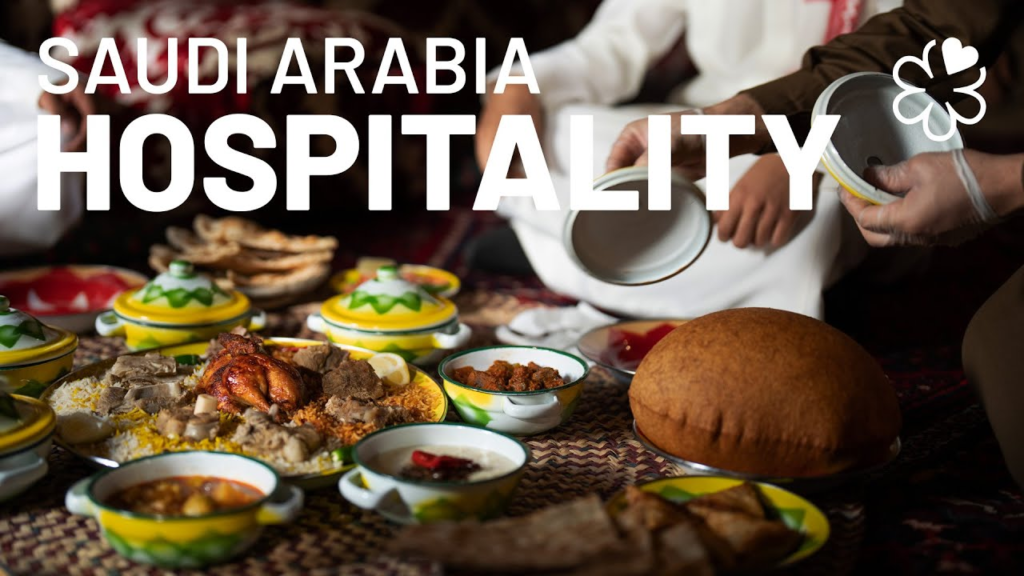
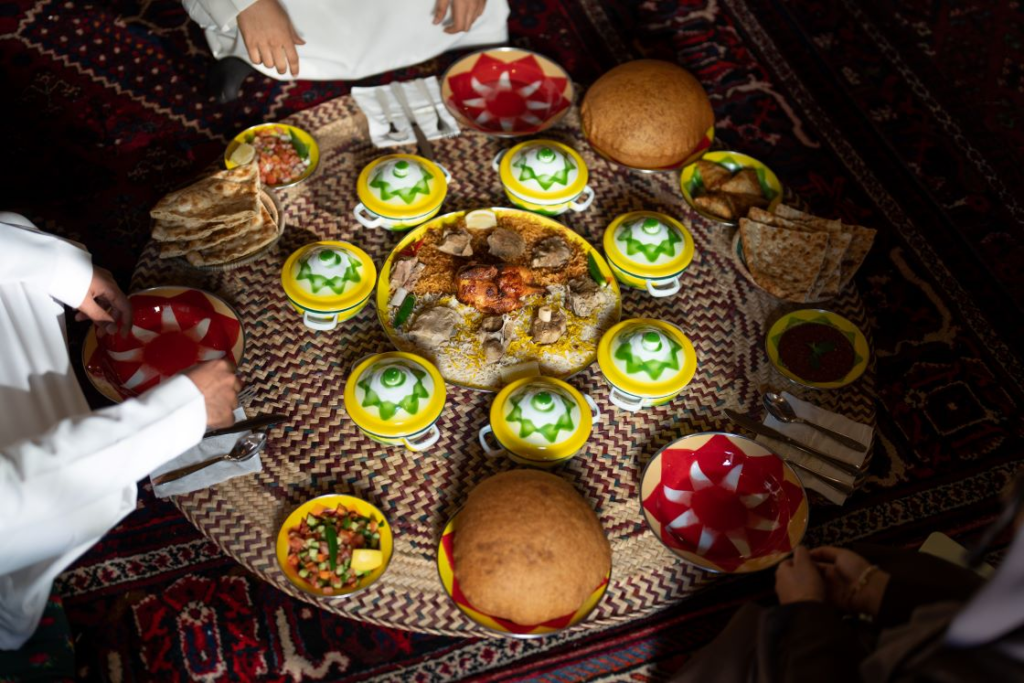
One of the most exciting aspects of the MICHELIN Guide Saudi Arabia is its potential to elevate traditional Saudi cuisine on a global stage. Dishes rooted in centuries-old customs, such as slow-cooked meats, spiced rice, and date-based desserts, are increasingly being refined and reintroduced to new audiences.
Saudi chefs are exploring regional variations and forgotten recipes, using modern techniques to highlight the depth and sophistication of local food. This movement ensures that Saudi culinary heritage is not only preserved but celebrated as a living, evolving tradition.
The MICHELIN Guide’s emphasis on quality ingredients, mastery of technique, and consistency provides an ideal platform for these stories to be told through food, allowing Saudi flavors to gain the recognition they deserve.
A Boost for Tourism and Hospitality
The expansion of the MICHELIN Guide into Saudi Arabia aligns closely with the Kingdom’s broader vision to grow tourism and diversify its economy. Food has become a powerful driver of travel decisions, and MICHELIN recognition often influences where international visitors choose to dine and explore.
As travelers plan trips around highly rated restaurants, Saudi Arabia stands to benefit from increased footfall in key cities. This not only supports restaurants but also hotels, local producers, and the wider hospitality ecosystem.
The presence of the MICHELIN Guide also encourages long-term investment in quality and training, raising overall standards and creating new career opportunities for Saudi nationals within the culinary and service industries.
Inspiring the Next Generation of Chefs
For aspiring Saudi chefs, the arrival of the MICHELIN Guide offers inspiration and tangible goals. The possibility of earning recognition from a globally respected institution motivates young talent to pursue excellence, creativity, and discipline in their craft.
Culinary schools, mentorship programs, and professional kitchens are likely to see renewed interest as the industry gains prestige. This environment nurtures innovation while reinforcing the importance of cultural authenticity, ensuring that future Saudi cuisine continues to evolve with confidence.
The spotlight also encourages collaboration between local and international chefs, fostering knowledge exchange and helping Saudi professionals refine their skills on a global level.
What the MICHELIN Inspectors Will Look For
Although specific selections remain confidential, the MICHELIN Guide follows consistent principles worldwide. Inspectors focus on the quality of ingredients, mastery of cooking techniques, harmony of flavors, personality of the cuisine, and consistency over time.
In Saudi Arabia, this means restaurants that showcase originality while respecting tradition are likely to stand out. Dining experiences that tell a clear story, whether rooted in local heritage or global inspiration, will resonate strongly.
Importantly, the MICHELIN Guide evaluates restaurants anonymously and independently, ensuring credibility and trust in its selections.
A Defining Moment for Saudi Food Culture
The upcoming debut of the MICHELIN Guide Saudi Arabia in 2026 represents more than an industry milestone. It symbolizes a broader cultural shift, where food is recognized as an art form, a business, and a bridge between cultures.
As Saudi Arabia continues to open its doors to the world, its culinary scene is emerging as one of its most compelling stories. From refined fine dining rooms to deeply rooted local kitchens, the Kingdom’s food culture reflects confidence, creativity, and pride.
The MICHELIN Guide’s expansion confirms what many diners already know: Saudi Arabia is no longer an emerging food destination. It is a rising culinary force, ready to claim its place on the global stage.
Do follow Gulf Magazine on Instagram.
Also Read – Saudi Arabia Strengthens Food Safety Rules for Central Kitchens

