


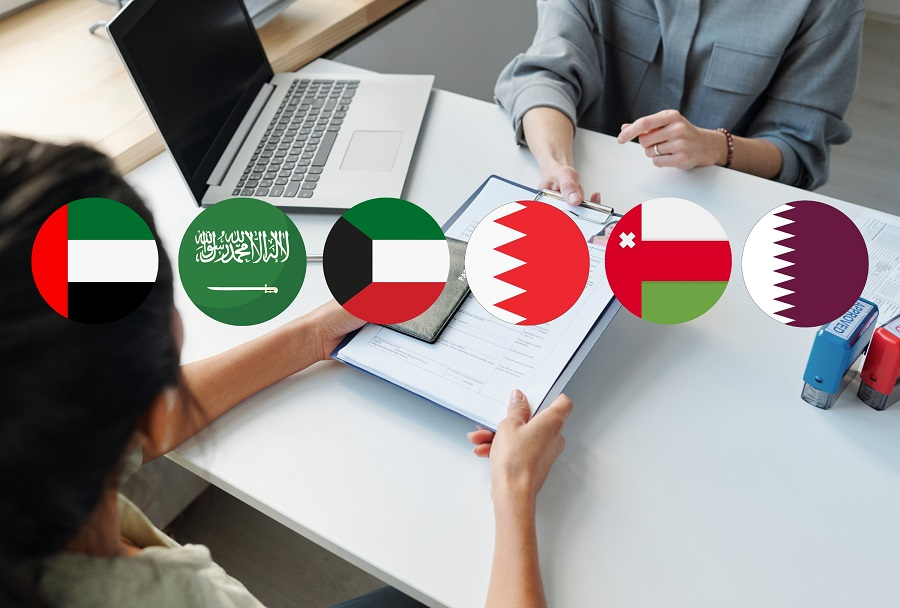
The idea of a Unified GCC Travel Visa has long captured the imagination of travelers, investors, and tourism leaders across the Gulf. Often compared to Europe’s Schengen visa, this ambitious initiative aims to allow visitors to explore all six Gulf Cooperation Council (GCC) countries Kuwait, Saudi Arabia, Qatar, Oman, the United Arab Emirates, and Bahrain under a single travel permit. Although initially expected earlier, the visa has now been officially delayed to 2026.
While delays can sometimes dampen enthusiasm, in this case the extended timeline reflects careful planning and coordination. The Unified GCC Travel Visa remains one of the most promising developments in the region’s tourism future, offering a simplified, traveler-friendly system that aligns with the Gulf’s broader economic and cultural ambitions.
What Is the Unified GCC Travel Visa?
The Unified GCC Travel Visa, also referred to as the GCC Grand Tours Visa, is designed to eliminate the need for multiple entry permits when traveling between Gulf countries. Instead of applying separately for each destination, tourists will be able to move freely across all six member states using one visa.
For travelers, this means less paperwork, lower costs, and more flexibility. For the region, it represents a powerful step toward presenting the Gulf as a single, interconnected destination rather than six separate markets.
The concept supports short city breaks, multi-country itineraries, cruise tourism, and long-haul travel plans where visitors want to experience deserts, coastlines, heritage sites, luxury cities, and cultural festivals in one journey.
Why the Visa Matters for the Gulf Region
Tourism has become a cornerstone of economic diversification across the GCC. Countries like Saudi Arabia, Qatar, and the UAE have invested heavily in infrastructure, mega-events, museums, entertainment districts, and hospitality projects. Oman, Bahrain, and Kuwait continue to highlight heritage, nature, and authentic cultural experiences.
The Unified GCC Travel Visa strengthens these efforts by making the region more accessible. When travel barriers are reduced, tourists are more likely to stay longer, spend more, and explore beyond a single country. This benefits airlines, hotels, restaurants, tour operators, and small businesses alike.
More importantly, the visa supports a shared regional identity, encouraging collaboration rather than competition among GCC nations.
Why the Unified GCC Travel Visa Was Delayed to 2026
Large-scale regional initiatives require alignment across legal, security, technological, and administrative systems. The delay to 2026 reflects the complexity of harmonizing immigration policies, border controls, digital platforms, and data-sharing protocols among six sovereign states.
Authorities are focused on ensuring that the visa system is secure, efficient, and user-friendly from day one. This includes advanced biometric systems, unified online applications, and clear entry and exit rules that work seamlessly across all borders.
Rather than rushing implementation, GCC leaders appear committed to delivering a robust framework that can scale over time and adapt to future travel trends.
How the Unified Visa Will Change the Tourist Experience
For international visitors, the Unified GCC Travel Visa will fundamentally change how trips to the Gulf are planned. Travelers will be able to design journeys that move easily from Dubai’s skyline to Oman’s mountains, from Saudi Arabia’s heritage sites to Qatar’s cultural districts, and from Bahrain’s island charm to Kuwait’s urban experiences.
This flexibility encourages deeper exploration. A tourist attending a major sporting event in Qatar, for example, could extend their trip to include desert adventures in Saudi Arabia or beach resorts in the UAE without navigating new visa processes.
The visa also makes the Gulf more attractive to first-time visitors who may otherwise feel overwhelmed by multiple entry requirements.
Boosting Multi-Country Tourism and Grand Tours
One of the most exciting aspects of the Unified GCC Travel Visa is its potential to unlock “grand tours” of the Gulf. Similar to classic European travel routes, visitors could follow themed itineraries such as cultural heritage trails, culinary journeys, luxury shopping tours, or adventure-focused experiences.
Cruise tourism stands to benefit significantly. Ships docking at multiple Gulf ports will be able to offer smoother passenger movement, encouraging longer cruise seasons and higher passenger volumes.
Tour operators and travel agencies are already preparing for this shift, developing packages that showcase the diversity of the region in a single itinerary.

Economic Impact and Investment Opportunities
The introduction of a unified visa is expected to have a strong multiplier effect on Gulf economies. Increased visitor numbers translate into higher hotel occupancy, stronger retail performance, and greater demand for transport and entertainment services.
For investors, the visa signals stability and long-term vision. Hospitality brands, theme park developers, event organizers, and cultural institutions all stand to gain from a more integrated tourism market.
Small and medium-sized enterprises, particularly in the food, craft, and local tour sectors, will also benefit as tourists venture beyond major hubs into lesser-known destinations.
Cultural Exchange and Regional Connectivity
Beyond economics, the Unified GCC Travel Visa has the potential to deepen cultural exchange. Visitors will be able to experience the shared history of the Gulf alongside the unique traditions of each country.
Festivals, art exhibitions, sports tournaments, and religious tourism will become more accessible, fostering people-to-people connections and global awareness of Gulf culture.
This ease of movement also reinforces the GCC’s message of openness, hospitality, and collaboration in a rapidly changing global travel landscape.
Preparing for 2026: What Travelers Should Expect
As 2026 approaches, travelers can expect clearer guidelines on eligibility, duration of stay, and permitted activities under the unified visa. While final details are still being refined, the overall goal remains simplicity and transparency.
Digital application platforms are likely to play a central role, allowing travelers to apply online, receive approvals quickly, and manage travel plans efficiently. Integration with airlines, hotels, and tourism platforms will further streamline the experience.
For frequent visitors to the Gulf, the unified visa could significantly reduce travel friction and encourage repeat visits across multiple countries.
Challenges and Considerations
While optimism around the Unified GCC Travel Visa is high, challenges remain. Balancing security with convenience, managing visitor flows, and ensuring consistent standards across borders will require ongoing coordination.
There is also the task of communicating the new system clearly to global audiences. Effective marketing and traveler education will be essential to ensure that tourists understand how to use the visa and make the most of it.
However, the region’s track record in delivering large-scale projects suggests that these challenges are manageable with the right planning and cooperation.
A Transformational Step for Gulf Tourism
The delay of the Unified GCC Travel Visa to 2026 should be seen not as a setback, but as a strategic pause that strengthens the foundation of a transformative initiative. When implemented, the visa has the power to reshape how the world experiences the Gulf moving from single-country trips to immersive, multi-destination journeys.
For travelers, it promises freedom, convenience, and discovery. For the GCC, it represents unity, confidence, and a shared commitment to welcoming the world. As 2026 draws closer, the Unified GCC Travel Visa stands as a symbol of the region’s ambition to redefine tourism on its own terms, with warmth, vision, and long-term impact.
Do follow Gulf Magazine on Instagram.
Also Read – Qatar 2026 Sporting and Cultural Calendar Highlights

