

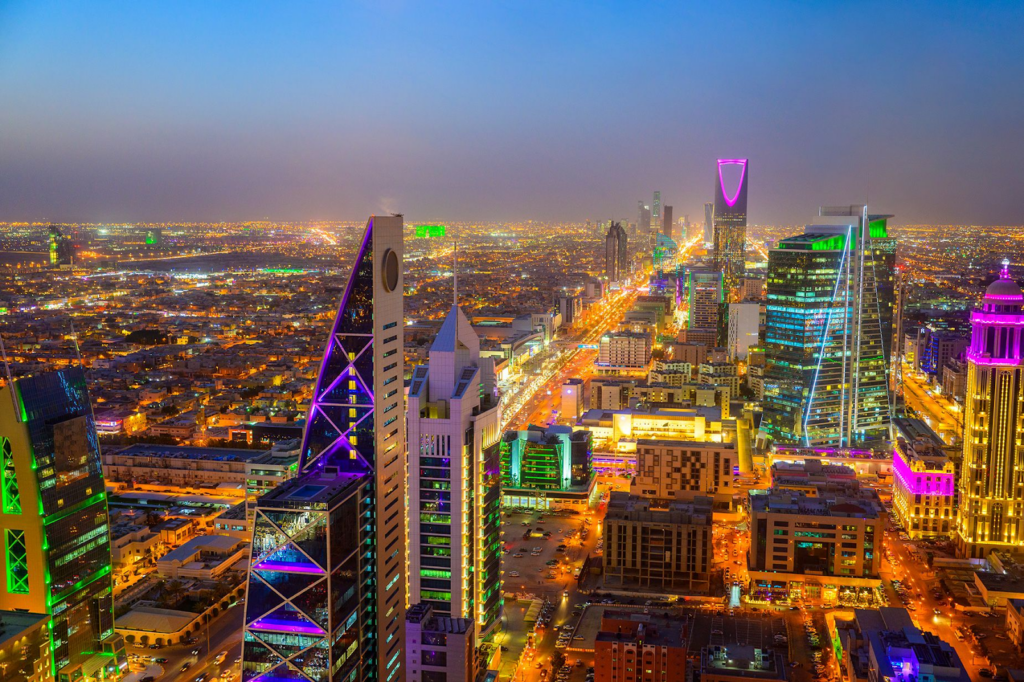
Cost of living in Saudi Arabia is one of the first concerns for anyone planning to move, work, or settle long-term in the Kingdom. Among all cities, the comparison that matters most is Riyadh vs Jeddah two urban giants offering very different lifestyles, spending patterns, and financial realities. While Riyadh stands tall as the political and economic powerhouse, Jeddah offers a coastal rhythm that feels more relaxed and culturally diverse.
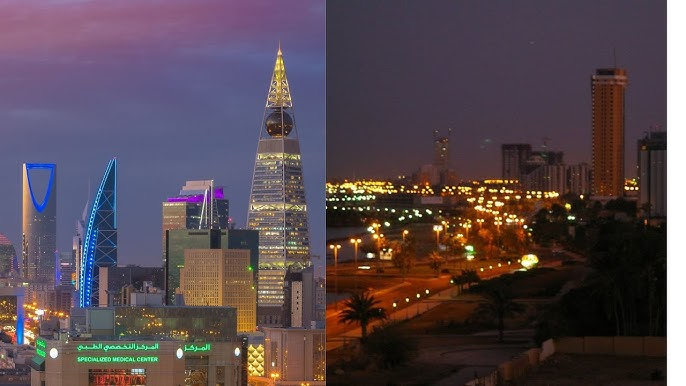
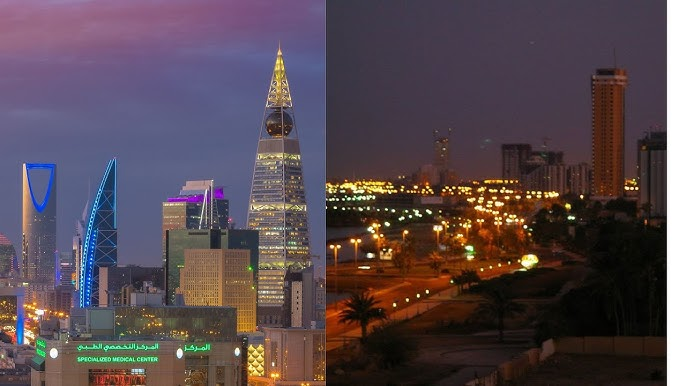
Riyadh, the political and economic capital, represents ambition, growth, and structured urban life. Jeddah, the historic port city on the Red Sea, is known for its relaxed vibe, coastal living, and cultural diversity. While both cities offer high living standards, their cost structures differ in subtle but important ways.
This guide breaks down housing, food, transport, utilities, education, healthcare, and lifestyle costs to help you decide which city better fits your budget and way of life.
Housing Costs: Rent Makes the Biggest Difference
Housing is the single largest expense for most residents, and this is where the contrast between Riyadh and Jeddah becomes most visible.
Riyadh’s real estate market has seen sharp growth due to an influx of professionals, government initiatives, and mega-projects. Popular districts such as Al Olaya, Al Malqa, Al Yasmin, and Al Nakheel command premium rents. A modern one-bedroom apartment in a central area often costs noticeably more than a similar unit in Jeddah. Compounds with amenities such as gyms, pools, and security further increase costs.
Jeddah, on the other hand, generally offers more affordable rental options. Areas like Al Rawdah, Al Salamah, and Al Hamra provide comfortable apartments at lower monthly rents. Even sea-view properties along the Corniche can be competitively priced compared to high-end districts in Riyadh.
For families, Jeddah tends to offer larger apartments at better value, while Riyadh appeals to professionals willing to pay extra for proximity to offices and business hubs.
Utilities and Internet: Slight Edge for Jeddah
Utility costs across Saudi Arabia are regulated, but usage patterns vary.
Riyadh’s desert climate leads to intense summer heat, often pushing electricity bills higher due to constant air-conditioning. Larger villas and compounds amplify these costs.
Jeddah’s coastal humidity also requires air-conditioning, but temperatures are slightly more moderate throughout the year. As a result, average electricity bills tend to be marginally lower.
Water, internet, and mobile services are similarly priced in both cities, though bundled home internet plans in Jeddah may feel slightly more economical for families.
Food and Groceries: Almost Equal, Lifestyle Makes the Difference
When it comes to groceries, both cities are surprisingly similar. Supermarkets, hypermarkets, and neighborhood grocery stores offer comparable prices for staples such as rice, bread, milk, vegetables, and meat.
However, lifestyle habits influence spending. Riyadh has a growing café and fine-dining culture, with premium restaurants in business districts and malls that can quickly raise monthly food expenses. Business lunches and upscale dining are common.
Jeddah is famous for its food diversity, from affordable street food and seafood eateries to international cuisine. Residents often find it easier to eat well on a budget, especially in traditional neighborhoods.
Those who cook at home regularly will find little difference between the two cities, but frequent diners may save more in Jeddah.
Transportation Costs: Riyadh Is Catching Up
Transportation costs depend largely on whether you own a car.
Riyadh is more spread out, making car ownership almost essential. Fuel prices remain affordable, but longer commutes, parking fees, and vehicle maintenance add up. Ride-hailing services are widely used but can become expensive with daily reliance.
Jeddah is more compact, and daily travel distances are shorter. Many residents find lower fuel consumption and reduced transport expenses overall.
Public transportation is improving in both cities. Riyadh’s metro and bus network is a major development that promises to reduce commuting costs in the long run. Jeddah relies more on buses and taxis, but the city’s layout still keeps transport spending manageable.
Education Costs: Schools Can Tip the Balance
For families, education is a major financial consideration.
Riyadh hosts a large number of international schools offering British, American, IB, and Indian curricula. Due to high demand, tuition fees are often higher, especially in well-established schools.
Jeddah also has a strong international school network, but fees are generally more competitive. Parents often find comparable education quality at slightly lower costs, making Jeddah appealing for families with multiple children.
University education and local schools follow national standards, so differences mainly affect expatriate families seeking international curricula.
Healthcare Expenses: Similar Quality, Comparable Costs
Saudi Arabia offers excellent healthcare across both cities. Government hospitals provide high-quality care, while private hospitals and clinics cater to insured residents.
Medical consultation fees, insurance premiums, and treatment costs are broadly similar in Riyadh and Jeddah. Riyadh may have more premium healthcare facilities, which can increase costs if you prefer top-tier private hospitals.
For most residents, healthcare spending does not significantly influence the choice between the two cities.
Lifestyle and Entertainment: Value vs Variety
Lifestyle spending varies depending on preferences.
Riyadh offers world-class entertainment, including concerts, sporting events, international exhibitions, and theme zones. While exciting, these experiences often come with higher ticket prices and premium dining options.
Jeddah leans toward affordable leisure. Beach outings, Corniche walks, outdoor cafés, and casual dining keep entertainment costs lower. The city’s relaxed culture encourages low-cost socializing.
Those who enjoy luxury experiences may spend more in Riyadh, while budget-conscious residents often find Jeddah naturally easier on expenses.
Clothing and Shopping: Balanced with Small Differences
Shopping costs are fairly similar in both cities, with major malls, international brands, and local markets widely available.
Riyadh tends to have more high-end malls and luxury shopping destinations, which can tempt higher spending. Jeddah’s markets and mixed-use shopping areas offer more budget-friendly alternatives alongside premium brands.
Overall, shopping expenses depend more on personal habits than city-specific pricing.
Family Living vs Single Life: Who Saves More Where?
Single professionals often gravitate toward Riyadh due to career opportunities, high salaries, and networking potential. While living costs are higher, income growth can offset expenses.
Families and long-term residents frequently prefer Jeddah for its balanced lifestyle and lower housing costs. The city’s slower pace and affordable schooling make it easier to manage monthly budgets.
Remote workers and entrepreneurs may also find Jeddah more cost-effective, especially if daily commuting is not a concern.
Final Verdict: Which City Is Easier on Your Wallet?
When comparing Riyadh and Jeddah purely on cost of living, Jeddah generally emerges as the more affordable city. Lower rent, slightly cheaper utilities, and budget-friendly dining give it a clear advantage for families and cost-conscious residents.
Riyadh, while more expensive, offers unmatched career growth, higher earning potential, and access to national projects and global business opportunities. For professionals focused on advancement, the higher costs may feel justified.
Ultimately, the easier city on your wallet depends on your lifestyle, income, and priorities. If affordability, coastal living, and balance matter most, Jeddah is the smarter choice. If ambition, career acceleration, and urban energy drive you, Riyadh delivers value beyond numbers.
Both cities reflect Saudi Arabia’s transformation, each offering a unique blend of opportunity and lifestyle the real win lies in choosing the one that fits your financial comfort and personal goals.
Do follow Gulf Magazine on Instagram.
Also Read – Seasonal Events in Qatar: January Festivals & Experiences

