

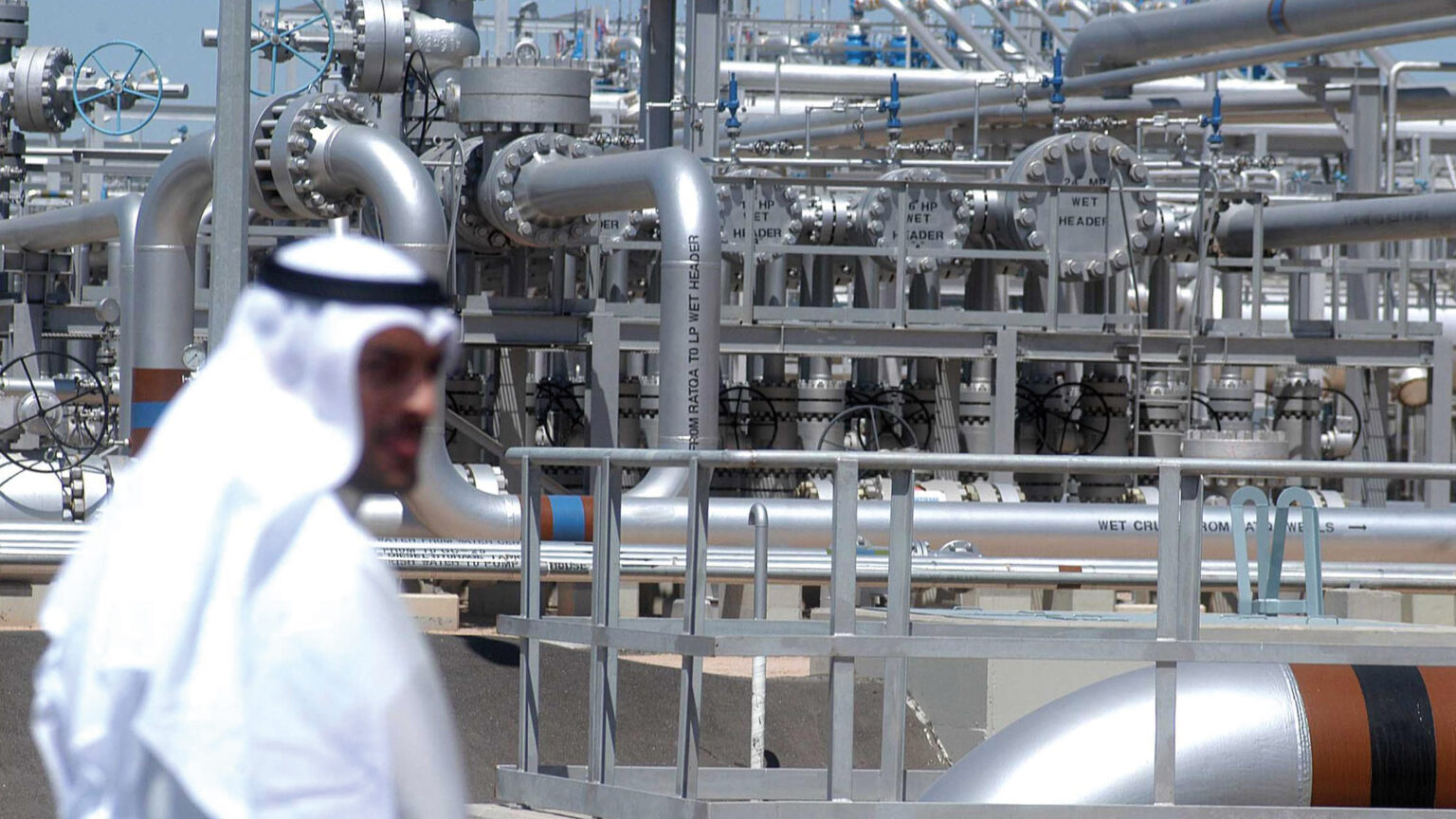
In recent years, Kuwait’s economy has faced significant challenges, primarily due to fluctuations in oil prices and production cuts mandated by OPEC+. Despite these hurdles, Kuwaiti banks have demonstrated remarkable resilience, capitalizing on higher interest rates to achieve robust profitability. While the broader economy has struggled with stagnation, the financial sector has managed to thrive, showcasing the contrasting fortunes of different industries within the country.
Economic Contraction Amidst Oil Production Cuts
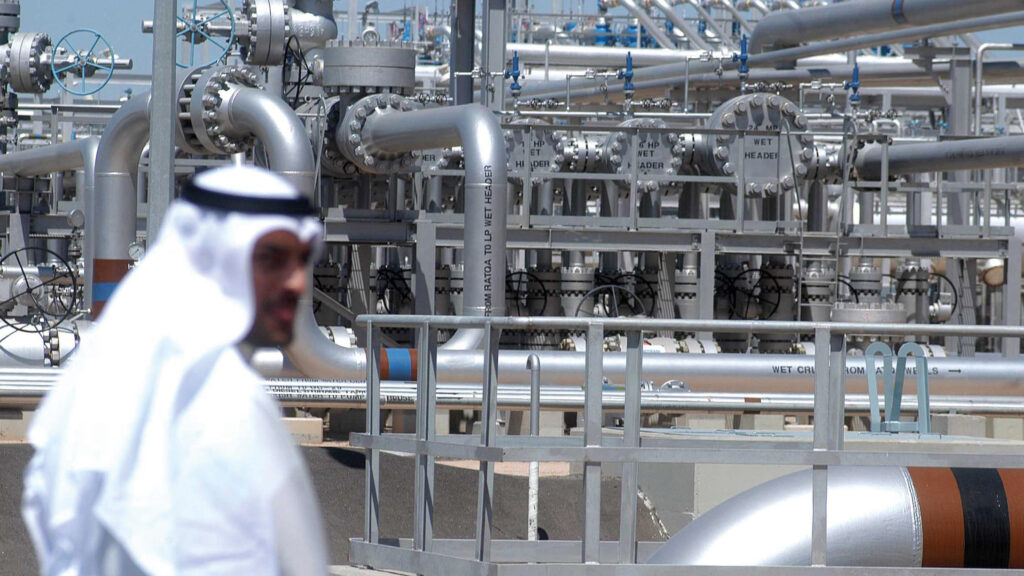
Kuwait’s economy has long been dependent on oil, which contributes the majority of government revenue and plays a crucial role in GDP growth. However, production cuts imposed by OPEC+ in response to global market conditions have weighed heavily on the country’s economic output. In 2023, Kuwait’s GDP contracted by 3.6%, largely attributed to a 4.3% decline in the oil sector. This trend continued into 2024, with an additional 2.8% contraction as oil production restrictions remained in place.
However, economic forecasts for 2025 suggest a potential rebound, with GDP growth projected at 2.6%. This optimistic outlook is based on expectations that oil production restrictions will gradually ease, allowing Kuwait to increase its export volumes. Additionally, global energy demand is anticipated to recover, which could further support economic stabilization.
Despite these projections, non-oil sectors continue to struggle with sluggish growth. The private sector, particularly industries such as retail, real estate, and hospitality, has faced significant headwinds due to subdued consumer spending and lower investment levels. This has raised concerns about the sustainability of economic growth in the long term, given the country’s heavy reliance on hydrocarbons.
Banking Sector’s Resilience and Profitability
Amid the broader economic slowdown, Kuwaiti banks have managed to not only withstand the downturn but also thrive. In 2023, the combined net profits of nine major domestic banks surged by 28.7%, reaching approximately KD 1.5 billion ($4.9 billion). This impressive performance was largely driven by the benefits reaped from higher interest rates, which bolstered net interest margins and increased revenue from lending operations.
The Central Bank of Kuwait has played a pivotal role in shaping monetary policy to support financial stability. Over the past few years, Kuwait has maintained a cautious approach to interest rate hikes, ensuring that domestic financial conditions remain stable while aligning with global economic trends. In September 2024, the Central Bank reduced its discount rate by 25 basis points to 4.0%, following a 50 basis point cut by the U.S. Federal Reserve. This move marked a shift from the previous tightening cycle, during which Kuwait had raised interest rates less aggressively than the U.S.
Higher interest rates have significantly benefited banks, particularly in the area of lending. Kuwaiti banks have continued to see strong demand for loans from corporations and high-net-worth individuals, particularly in sectors such as infrastructure, energy, and trade. With higher interest rates, banks have been able to charge more for loans, thereby increasing their profitability despite broader economic uncertainty.
Another contributing factor to the banking sector’s resilience is the relatively low level of non-performing loans (NPLs). Kuwaiti banks have maintained strong asset quality and capital adequacy ratios, ensuring financial stability even in challenging economic conditions. The prudent regulatory framework established by the Central Bank has helped mitigate risks, providing banks with a buffer against potential downturns in the real estate or corporate sectors.
Strategic Initiatives and Regional Expansion
Kuwaiti banks have also been proactive in seeking growth opportunities beyond their borders. Notably, the National Bank of Kuwait (NBK) signed agreements totaling $1.6 billion during the Future Investment Initiative conference in Riyadh in October 2024. These deals included a $690 million framework agreement with Saudi Arabia’s ACWA Power to support its expansion plans, as well as credit facility agreements with other Saudi companies.
These strategic moves align with Saudi Arabia’s Vision 2030 economic transformation strategy, which aims to diversify the kingdom’s economy and reduce its dependence on oil. By forming partnerships with Saudi firms, Kuwaiti banks are positioning themselves as key players in the region’s financial landscape. This expansion strategy is also in line with Kuwait’s broader efforts to increase its financial sector’s global competitiveness.
Apart from regional expansion, banks have been investing heavily in digital transformation. In response to changing consumer preferences, financial institutions have accelerated the adoption of digital banking services, mobile applications, and fintech partnerships. These initiatives aim to enhance customer experiences, improve operational efficiency, and attract younger generations who prefer digital-first banking solutions.
Challenges Facing Kuwaiti Banks
Despite the strong financial performance, Kuwaiti banks still face several challenges that could impact their long-term growth. One of the primary concerns is the country’s slow pace of economic diversification. While the banking sector has benefited from higher interest rates, it remains vulnerable to fluctuations in oil prices and government spending.
Another challenge is the sluggish pace of regulatory reforms. Kuwait has long been criticized for bureaucratic inefficiencies that hinder private sector development. The lack of clear policies to support foreign investment and entrepreneurship has limited opportunities for economic diversification. If these issues are not addressed, the long-term growth potential of the banking sector could be constrained.
Additionally, geopolitical risks in the Middle East continue to pose threats to financial stability. Rising tensions in the region, including ongoing conflicts and political uncertainties, could impact investor confidence and economic activity. Banks operating in multiple markets must carefully navigate these risks to ensure sustainable growth.
Future Outlook: Balancing Opportunities and Challenges
Looking ahead, the Kuwaiti banking sector appears poised to maintain its positive trajectory, provided that macroeconomic conditions remain stable. The anticipated easing of oil production cuts is expected to stimulate economic growth, which, in turn, could create more opportunities for financial institutions. However, challenges persist, including the need for fiscal consolidation and structural reforms to enhance competitiveness and diversify the economy.
To ensure long-term sustainability, Kuwaiti banks must continue their efforts to expand regionally, embrace digital innovation, and improve operational efficiencies. Investing in fintech solutions, artificial intelligence, and blockchain technology will be crucial in maintaining a competitive edge in the evolving financial landscape.
The International Monetary Fund has emphasized the importance of implementing a comprehensive and gradual package of financial and economic reforms. Recommendations include developing the business environment, increasing transparency, further opening the economy, and implementing labor market reforms to stimulate private sector-led growth. These measures will be essential in creating a more dynamic and resilient economy that is less dependent on oil revenues.
In conclusion, while Kuwait’s economy has faced headwinds due to oil sector fluctuations, the country’s banking sector has demonstrated resilience and adaptability. By leveraging higher interest rates and pursuing strategic regional partnerships, Kuwaiti banks have not only weathered the economic storm but have also positioned themselves for continued success in the evolving financial landscape. As the country moves toward economic recovery, the banking sector will remain a critical pillar in supporting sustainable growth and financial stability.

