

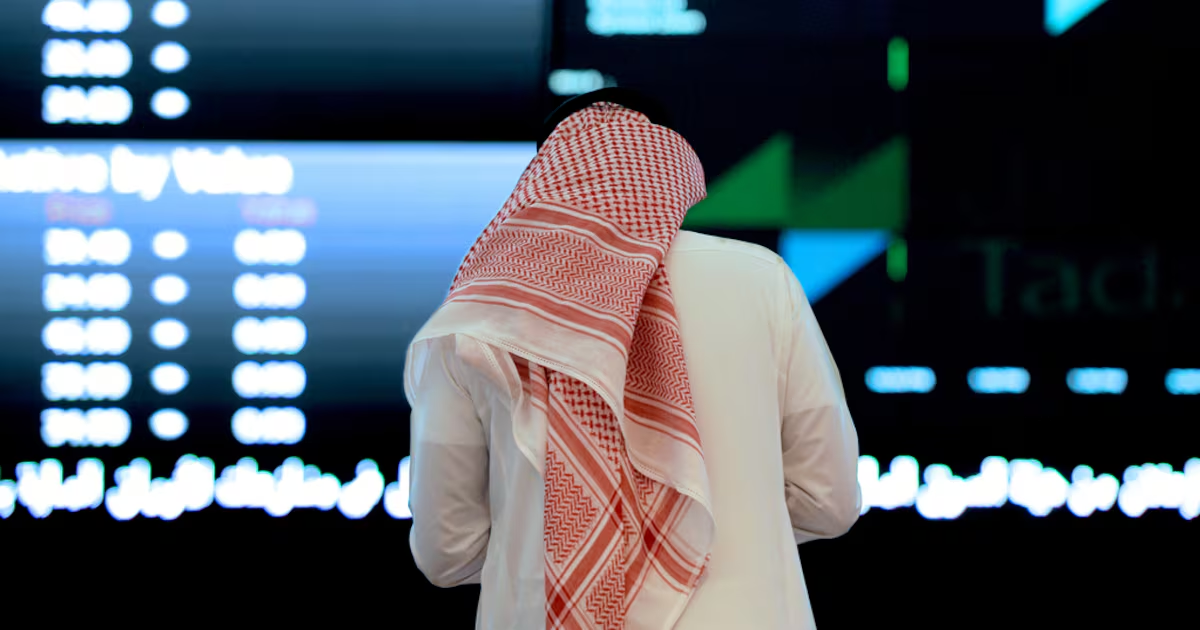
Saudi stock market slump has marked the beginning of the year as Saudi Arabia’s bourse opened on a cautious note, reflecting rising global uncertainty and fragile investor sentiment. Early trading sessions saw broad-based declines as geopolitical tensions, mixed international economic signals, and weaker oil expectations weighed on market confidence. While the downturn raised short-term concerns, many investors believe the movement reflects caution rather than a loss of faith in the Kingdom’s long-term economic direction.
Despite the red start, Saudi Arabia’s equity market continues to be underpinned by strong domestic fundamentals, economic reforms, and ambitious diversification goals. The current softness is widely viewed as a reaction to external pressures rather than internal structural weaknesses.
A Cautious Start to the Year
The opening days of trading were marked by defensive positioning as investors reassessed global risks. Selling pressure was visible across several heavyweight sectors, with financials, petrochemicals, and energy-linked stocks leading early declines. Market participants attributed the trend to cautious global sentiment rather than company-specific issues.
Such early-year movements are often shaped by portfolio rebalancing and profit-taking, especially after periods of heightened volatility. For Saudi Arabia’s bourse, the cautious opening reflected global risk aversion rather than a shift in confidence toward the local economy.
Global Uncertainty Shapes Market Direction
Global uncertainty has become a dominant theme influencing investor behavior. Ongoing geopolitical tensions, uneven economic recovery across major economies, and uncertainty around monetary policy continue to cloud the global outlook. These factors have prompted investors to reduce exposure to riskier assets and adopt a more selective approach.
Saudi stocks, closely integrated into global capital markets, are naturally affected by shifts in international investor sentiment. Foreign investment flows tend to react swiftly to global developments, which can amplify short-term market movements even when domestic indicators remain stable.
Oil Outlook and Investor Sensitivity
Oil prices remain a critical influence on Saudi market sentiment. Expectations of slower global demand growth have weighed on energy-related stocks, as investors factor in a more cautious outlook for oil-linked revenues. This pressure often extends beyond the energy sector, affecting broader market confidence.
However, Saudi Arabia’s economic landscape has evolved significantly. Fiscal discipline, diversified revenue streams, and expanding non-oil sectors have reduced the economy’s reliance on oil price swings. While energy sentiment still impacts short-term trading, its influence on long-term market stability has diminished.
Sector Performance Reflects Selective Selling
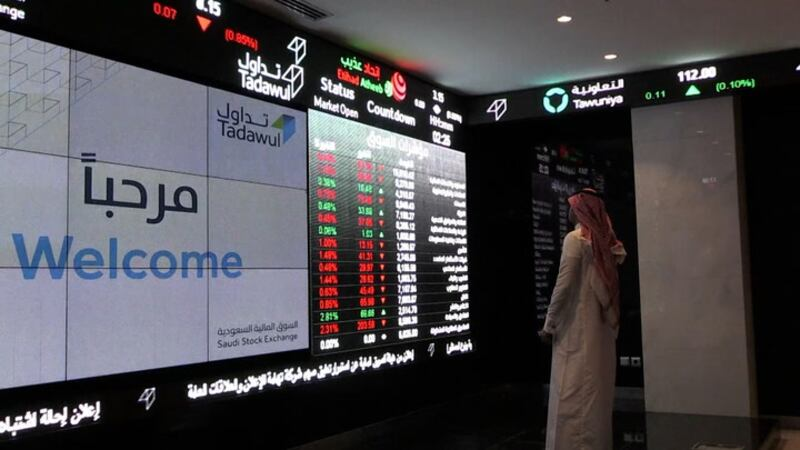
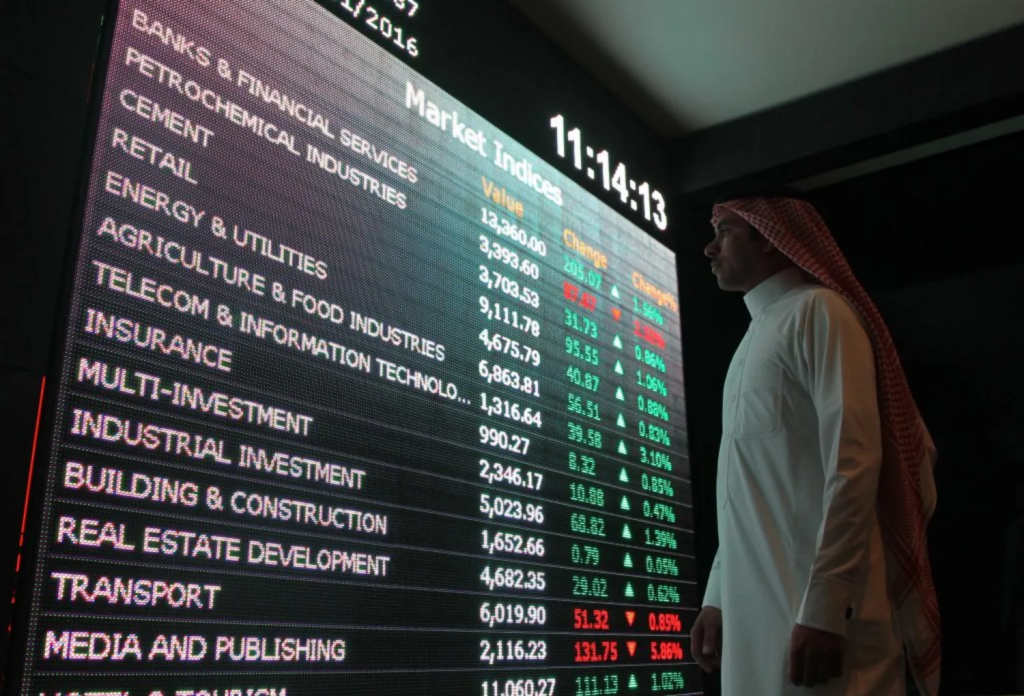
The early decline was broad but uneven. Banking stocks faced pressure amid global interest rate uncertainty, while petrochemical companies reflected concerns over global manufacturing demand. Consumer-related stocks showed mixed performance, suggesting that domestic spending remains relatively resilient.
At the same time, sectors aligned with long-term growth themes such as healthcare, logistics, technology, and tourism demonstrated greater stability. This divergence highlights the increasing maturity of the Saudi market, where investors are differentiating based on fundamentals rather than reacting uniformly.
Strong Domestic Fundamentals Provide Support
Despite short-term volatility, Saudi Arabia’s domestic economic outlook remains positive. Non-oil growth continues to expand, supported by infrastructure development, private sector participation, and rising consumer activity. Ongoing reforms have improved business confidence and strengthened the investment environment.
Regulatory enhancements, increased transparency, and improved corporate governance have further reinforced the market’s appeal. These factors act as stabilisers during periods of global stress, helping the market absorb external shocks more effectively.
Vision 2030 Anchors Long-Term Confidence
Vision 2030 remains a cornerstone of investor optimism. The Kingdom’s transformation agenda continues to unlock opportunities across renewable energy, tourism, entertainment, manufacturing, and digital services. New listings and sector diversification have added depth to the market, reducing concentration risk.
As these initiatives mature, the Saudi stock market is expected to become less sensitive to global oil cycles and more reflective of domestic growth drivers. Long-term investors increasingly view temporary pullbacks as part of a broader structural shift.
Investor Psychology During Market Volatility
Market downturns often trigger emotional responses, particularly during uncertain global conditions. However, seasoned investors recognise that volatility is an inherent part of equity markets. Short-term corrections can help realign valuations and create healthier market conditions.
For retail investors, staying focused on fundamentals rather than daily price movements is crucial. The Saudi market’s liquidity and depth provide room for recovery once global sentiment stabilises.
Opportunities Within Market Pullbacks
Periods of market weakness often reveal selective opportunities. Companies with strong balance sheets, clear growth strategies, and exposure to domestic demand are well-positioned to rebound when confidence returns.
Institutional investors frequently use such phases to accumulate quality stocks gradually. For individual investors, diversification and disciplined strategies remain key to navigating uncertain environments without overreacting to short-term fluctuations.
Outlook Remains Cautiously Optimistic
While global uncertainty may persist, markets have a history of adjusting and recovering as clarity improves. As investors gain better visibility on global economic trends, monetary policies, and geopolitical developments, risk appetite is likely to return.
Saudi Arabia’s reform momentum, expanding non-oil economy, and strategic global positioning continue to support a positive long-term outlook. The early-year slump may ultimately be seen as a temporary pause rather than a lasting setback.
Looking Beyond the Red Screens
The recent decline in Saudi stocks highlights the market’s sensitivity to global developments rather than domestic weakness. While short-term volatility has tested investor confidence, the underlying economic narrative remains strong.
As global conditions stabilise, Saudi equities are well-positioned to regain momentum, supported by diversification, reform-driven growth, and long-term economic ambition. For investors with patience and perspective, confidence in the Saudi market’s future remains intact.
Do follow Gulf Magazine on Instagram.
Also Read – Saudi Arabia’s Growing Role in Global Development Support

