

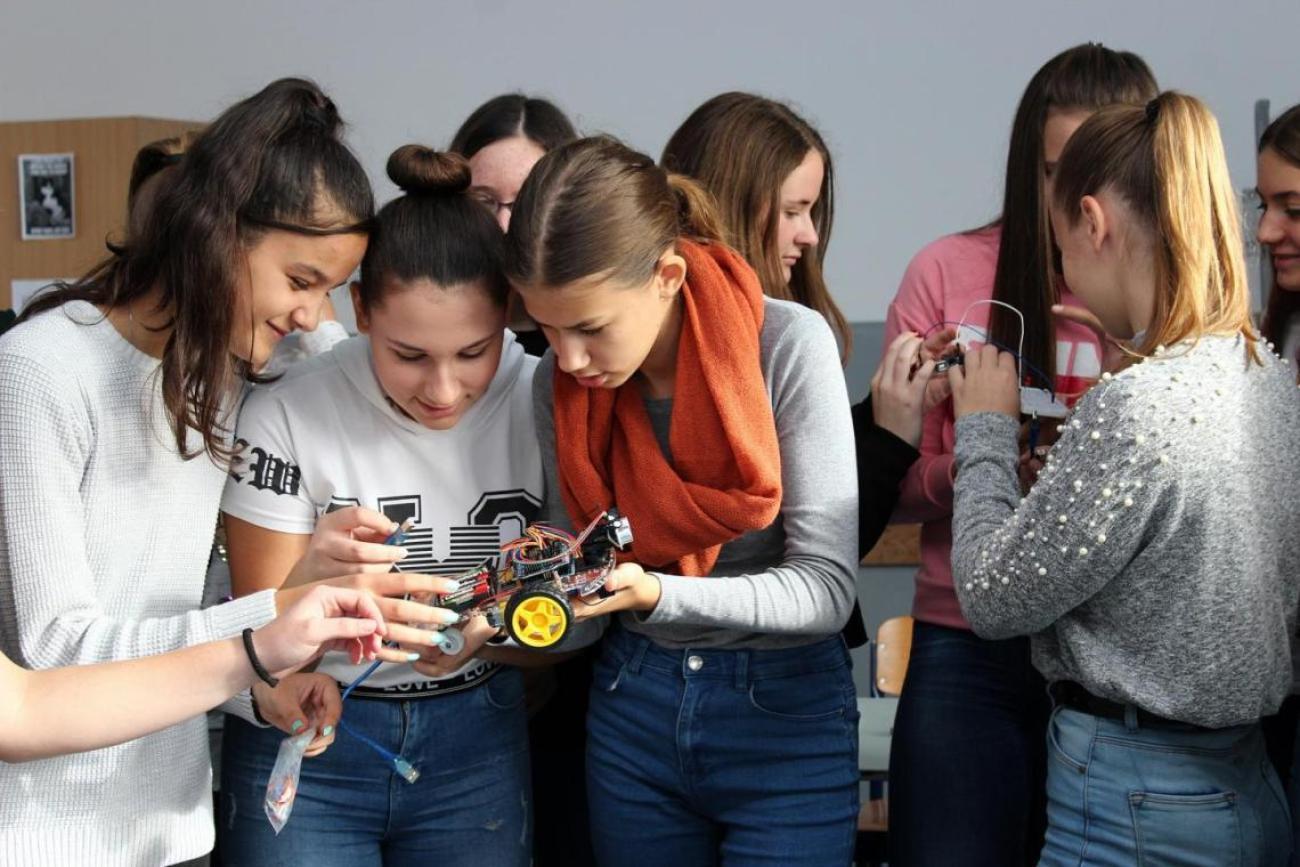
Across the Gulf region, education is no longer viewed as a passive pathway to employment but as a strategic engine for economic transformation. Governments are redesigning education systems to align closely with labour market demands, ensuring young people graduate with practical skills, adaptable mindsets, and global competitiveness. These reforms reflect a shared recognition that workforce readiness is central to long-term prosperity in a post-oil, knowledge-driven economy.
Rather than incremental changes, Gulf nations are pursuing ambitious, system-wide education reforms. From curriculum redesigns to digital learning platforms, the focus is clear: bridge the gap between classrooms and careers while empowering students to thrive in rapidly evolving industries.
Aligning Education with National Economic Visions
Education reforms in the Gulf are deeply connected to national development strategies. Countries across the region have articulated long-term visions centred on diversification, innovation, and private-sector growth. Education systems are being reshaped to support these goals by producing graduates who can contribute immediately and meaningfully to priority sectors.
Fields such as renewable energy, logistics, healthcare, financial services, advanced manufacturing, and artificial intelligence are now influencing curriculum planning. Universities and vocational institutes increasingly collaborate with government bodies and employers to ensure programmes reflect real-world skill needs. This alignment helps students see a clearer link between what they study and the opportunities available after graduation.
Curriculum Modernisation for Real-World Skills
One of the most visible shifts has been the move away from rote learning toward competency-based education. Modern curricula now emphasise problem-solving, critical thinking, communication, and teamwork. These skills are widely recognised as essential for employability, particularly in dynamic and technology-driven workplaces.
Project-based learning, case studies, and experiential assessments are replacing traditional exam-heavy models. Students are encouraged to apply theoretical knowledge to practical challenges, preparing them for professional environments where adaptability and initiative are valued. This change is fostering confidence and independence among learners while improving overall workforce readiness.
Strengthening Technical and Vocational Education
Technical and vocational education has gained renewed importance across the Gulf. Once considered a secondary option, vocational pathways are now positioned as prestigious and practical routes to employment. Governments are investing heavily in modern training centres, industry-grade equipment, and internationally recognised certifications.
These programmes focus on skills that are immediately applicable, from engineering technologies and construction management to hospitality, aviation, and digital services. By working closely with employers, vocational institutions ensure that graduates are job-ready from day one, reducing skills mismatches and supporting faster workforce integration.
University–Industry Partnerships on the Rise
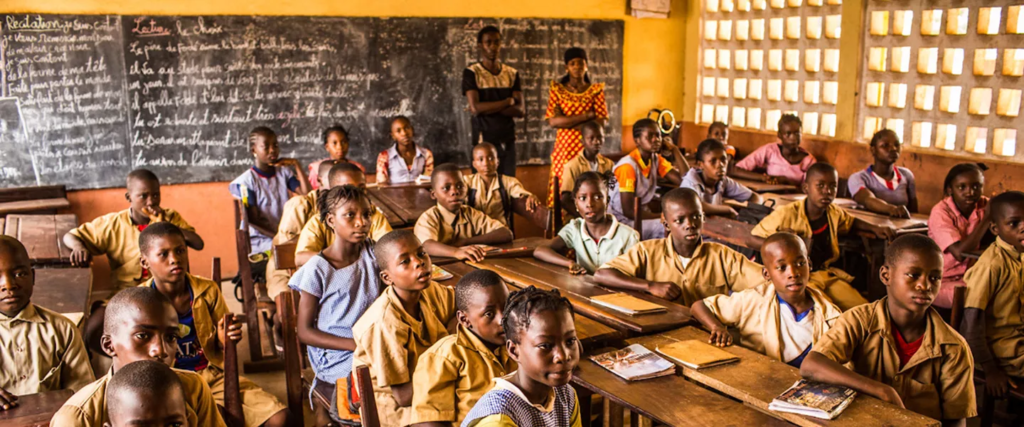
Closer collaboration between educational institutions and industry is reshaping how students prepare for work. Universities are partnering with companies to co-design curricula, offer internships, and deliver guest lectures from industry professionals. These partnerships provide students with exposure to workplace expectations and emerging trends.
Internships, apprenticeships, and cooperative education programmes are becoming integral parts of degree structures. Students gain hands-on experience while employers identify and nurture future talent. This two-way relationship strengthens trust between academia and industry, creating smoother transitions from education to employment.
Digital Learning and Future Skills Development
Digital transformation is playing a major role in Gulf education reforms. Online platforms, blended learning models, and virtual classrooms are expanding access and flexibility while introducing students to the digital tools they will use in the workplace.
Beyond delivery methods, digital literacy itself has become a core learning outcome. Coding, data analysis, cybersecurity awareness, and artificial intelligence concepts are increasingly embedded in school and university programmes. These future-oriented skills ensure graduates are not only employable today but resilient in the face of technological change.
Empowering Educators as Change Leaders
Education reform cannot succeed without empowered teachers and academic leaders. Gulf countries are investing in professional development to help educators adopt modern teaching methods and technologies. Continuous training programmes focus on learner-centred instruction, assessment innovation, and digital pedagogy.
By supporting educators as facilitators rather than lecturers, reforms are creating more engaging and effective learning environments. Teachers are encouraged to mentor students, guide projects, and foster curiosity, helping learners develop both technical competencies and personal confidence.
Promoting Lifelong Learning and Upskilling
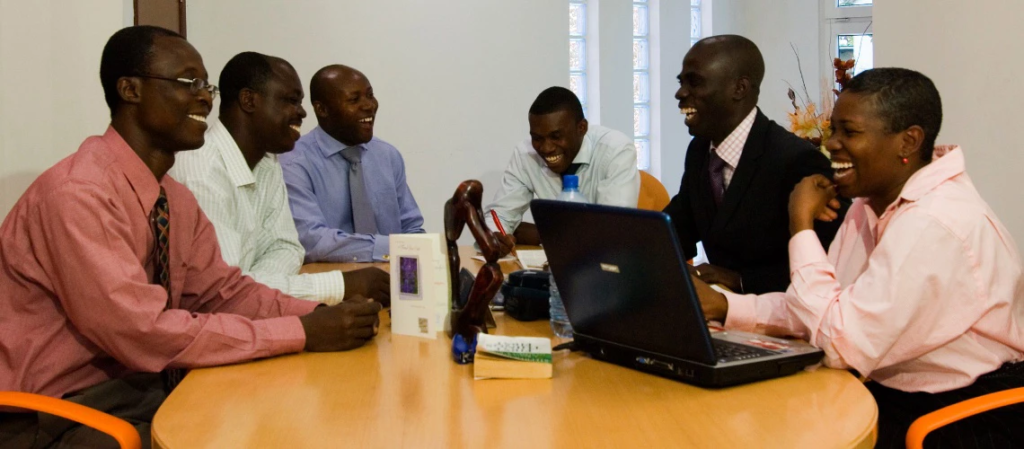
Workforce readiness is no longer limited to young graduates. Gulf education reforms increasingly emphasise lifelong learning, recognising that careers will evolve multiple times over a person’s working life. Governments and institutions are expanding access to short courses, professional certifications, and online learning opportunities for working adults.
Upskilling and reskilling initiatives help employees adapt to new roles as industries change. This approach supports productivity, reduces unemployment risks, and ensures the workforce remains competitive in a global economy where skills can quickly become outdated.
Inclusion, Accessibility, and Talent Development
Education reforms across the Gulf also focus on inclusivity and talent maximisation. Programmes are designed to reach diverse learners, including women, people with disabilities, and students from different socio-economic backgrounds. By widening participation, countries are unlocking untapped potential within their populations.
Scholarships, flexible learning options, and targeted support services help ensure that talent is identified and nurtured regardless of background. This inclusive approach strengthens social cohesion while expanding the skilled labour pool needed for sustainable growth.
Measuring Impact on Workforce Readiness
The success of education reforms is increasingly measured by employment outcomes rather than graduation rates alone. Governments and institutions track indicators such as graduate employability, employer satisfaction, and career progression. Feedback from the private sector is used to refine programmes and address emerging skills gaps.
This data-driven approach ensures reforms remain responsive and relevant. By continuously evaluating outcomes, Gulf education systems can adapt quickly to economic shifts and maintain alignment with workforce needs.
Shaping a Competitive and Confident Future Workforce
Education reforms in the Gulf are transforming how young people prepare for work and how economies build human capital. By aligning education with market needs, embracing innovation, and prioritising practical skills, the region is creating a workforce that is confident, adaptable, and globally competitive.
These changes go beyond policy adjustments; they represent a cultural shift in how learning, work, and success are understood. As reforms continue to mature, education will remain one of the Gulf’s most powerful tools for driving economic resilience, social progress, and long-term prosperity.
Do follow Gulf Magazine on Instagram.
Also Read – Qatar Education Market Set to Reach $13bn Milestone

