

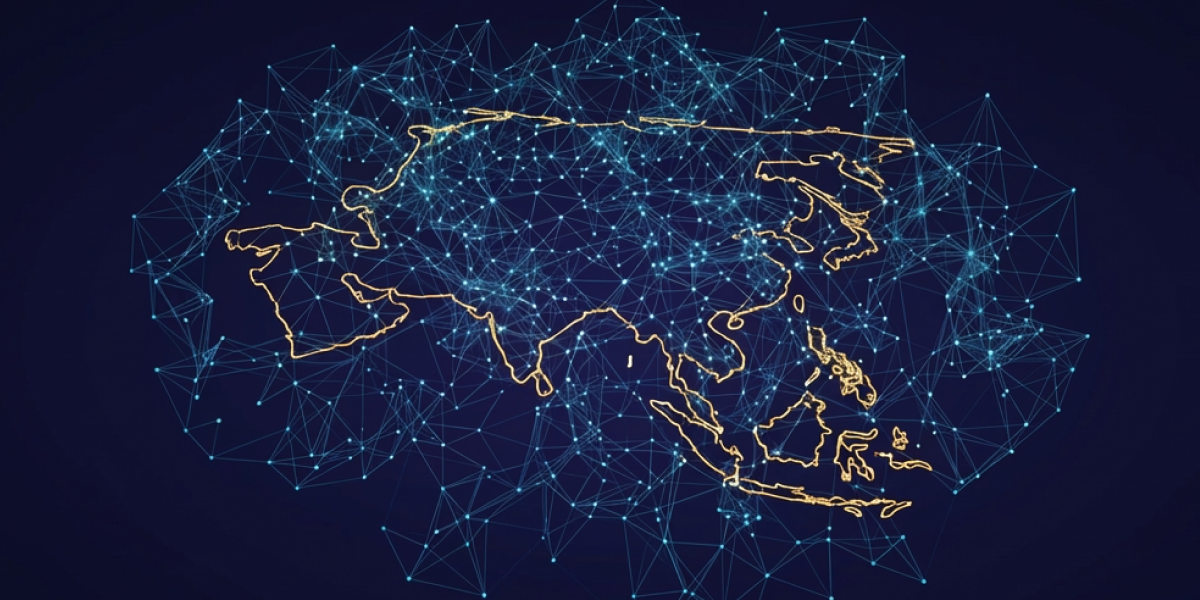
Across the region, education is undergoing a profound shift as nations work to align learning systems with the ambitious goals of Vision 2030. At its core, this transformation recognises that classrooms are no longer just spaces for memorising facts but incubators for future innovators, leaders, and responsible global citizens. Curriculum reforms are becoming the most critical tool in bridging the gap between traditional education models and the demands of a fast-evolving, knowledge-driven economy.
These reforms are not merely policy changes; they reflect a broader social commitment to empower young people with skills, values, and mindsets that enable them to thrive in a competitive global landscape while remaining deeply rooted in national identity and culture.
Why Curriculum Reform Is Central to Vision 2030
Vision 2030 places human capital at the centre of sustainable development. Economic diversification, technological advancement, and social progress depend heavily on how effectively education systems prepare learners for real-world challenges. Outdated curricula that prioritise rote learning are no longer sufficient in an era shaped by artificial intelligence, digital economies, and rapid innovation.
Curriculum reform ensures that education supports national priorities such as workforce readiness, entrepreneurship, research capacity, and lifelong learning. By aligning subjects, teaching methods, and assessment models with Vision 2030 objectives, education becomes a direct driver of economic growth and social resilience.
Shifting from Rote Learning to Skill-Based Education
One of the most visible changes in curriculum reform is the shift away from memorisation toward skills-based learning. Critical thinking, problem-solving, communication, and collaboration are now prioritised across subjects. Students are encouraged to question, analyse, and apply knowledge rather than simply recall information.
This approach better reflects the realities of modern workplaces, where adaptability and creativity matter as much as technical knowledge. Through project-based learning, debates, case studies, and real-life applications, students gain confidence in their abilities and learn how to navigate complex challenges independently.
Integrating Digital Literacy and Future Technologies
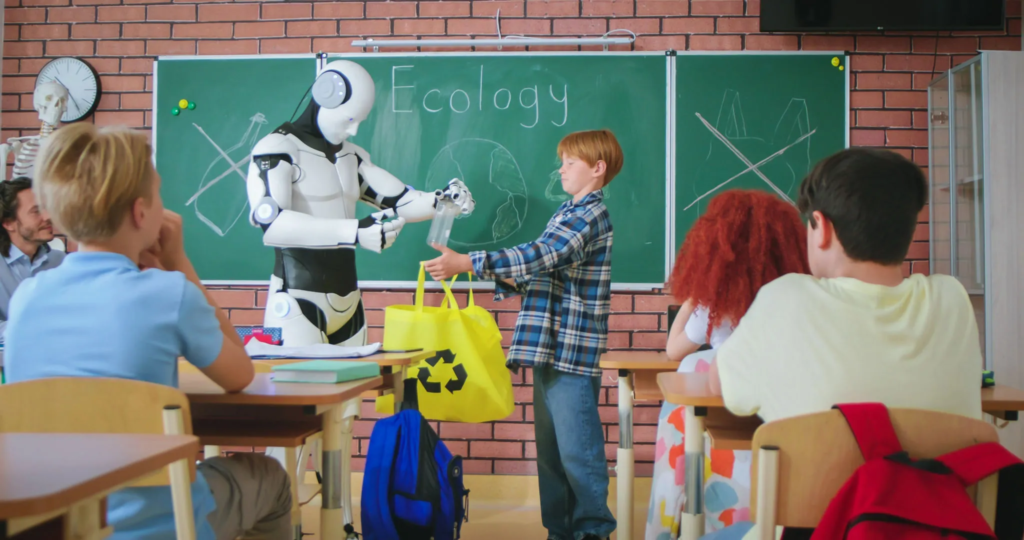
Digital transformation is a cornerstone of Vision 2030, and education systems are responding by embedding digital literacy into curricula from an early age. Coding, data analysis, artificial intelligence awareness, and cybersecurity basics are increasingly introduced alongside traditional subjects.
Rather than treating technology as an optional add-on, curriculum reforms position it as an essential life skill. Students learn not only how to use digital tools but also how to think ethically and responsibly in a digital world. This prepares graduates to participate actively in emerging industries and supports national ambitions to build knowledge-based economies.

Strengthening STEM Education for Economic Diversification
Science, technology, engineering, and mathematics play a vital role in preparing students for high-growth sectors such as renewable energy, healthcare, advanced manufacturing, and space sciences. Curriculum reforms are strengthening STEM education by making it more engaging, practical, and interdisciplinary.
Hands-on experiments, innovation labs, and collaborative research projects help students see the relevance of STEM subjects beyond textbooks. By linking classroom learning to national development priorities, education systems nurture a generation capable of contributing directly to economic diversification goals.
Emphasising Values, Identity, and Global Citizenship
While preparing students for the future, curriculum reforms also reinforce cultural identity and shared values. Education aligned with Vision 2030 balances global competencies with national heritage, ethics, and social responsibility.
Subjects related to history, civic education, and ethics are being updated to promote tolerance, community engagement, and environmental awareness. This holistic approach ensures that graduates are not only skilled professionals but also thoughtful citizens who contribute positively to society.
Aligning Education with Labour Market Needs
A major objective of curriculum reform is closing the gap between education outcomes and labour market requirements. Employers increasingly seek graduates with practical experience, adaptability, and soft skills. In response, curricula are being redesigned to include career guidance, internships, and industry-linked projects.
Partnerships between educational institutions and the private sector allow students to gain exposure to real working environments before graduation. This alignment reduces unemployment, boosts productivity, and supports Vision 2030’s goal of building a competitive and inclusive workforce.
Empowering Teachers as Change Leaders
Curriculum reform cannot succeed without investing in teachers. Educators are at the frontline of transformation, translating policy into classroom practice. Vision 2030-aligned reforms emphasise continuous professional development, modern teaching strategies, and digital competencies for teachers.
By empowering educators with training and autonomy, education systems foster innovation at the classroom level. Teachers become mentors and facilitators rather than lecturers, guiding students through active and meaningful learning experiences.
Assessment Reforms Supporting Deeper Learning
Traditional exams often fail to capture a student’s true abilities. As part of curriculum reform, assessment methods are evolving to reflect deeper learning outcomes. Portfolios, presentations, group projects, and continuous evaluation are increasingly used alongside standardised tests.
These changes encourage students to focus on understanding and application rather than exam performance alone. They also provide a more accurate picture of student progress, supporting personalised learning pathways aligned with Vision 2030 ambitions.
Promoting Lifelong Learning and Flexibility
Vision 2030 recognises that learning does not end with formal education. Curriculum reforms therefore promote adaptability and lifelong learning by building foundational skills that remain relevant across careers.
Flexible pathways, modular learning, and recognition of prior learning allow individuals to upskill or reskill as economic needs evolve. This culture of continuous learning strengthens workforce resilience and supports long-term national development.
Challenges and the Path Forward
Implementing curriculum reforms at scale is not without challenges. Balancing innovation with consistency, ensuring equitable access to quality education, and managing change across institutions require careful planning and sustained investment.
However, the momentum behind Vision 2030 provides a strong foundation for progress. By engaging educators, students, families, and industry stakeholders, curriculum reforms can remain responsive and inclusive, ensuring that education continues to evolve alongside national aspirations.
Conclusion: Education as a Catalyst for Vision 2030
Curriculum reforms aligned with Vision 2030 are redefining the purpose of education. They move beyond traditional instruction to create learning ecosystems that nurture skills, values, and innovation. By aligning curricula with economic, technological, and social goals, education becomes a powerful catalyst for national transformation.
As these reforms take root, they promise not only stronger education systems but also a future-ready generation equipped to lead, innovate, and contribute meaningfully to a rapidly changing world.
Do follow Gulf Magazine on Instagram.
Also Read – How Gulf Governments Are Modernising Public Education

