

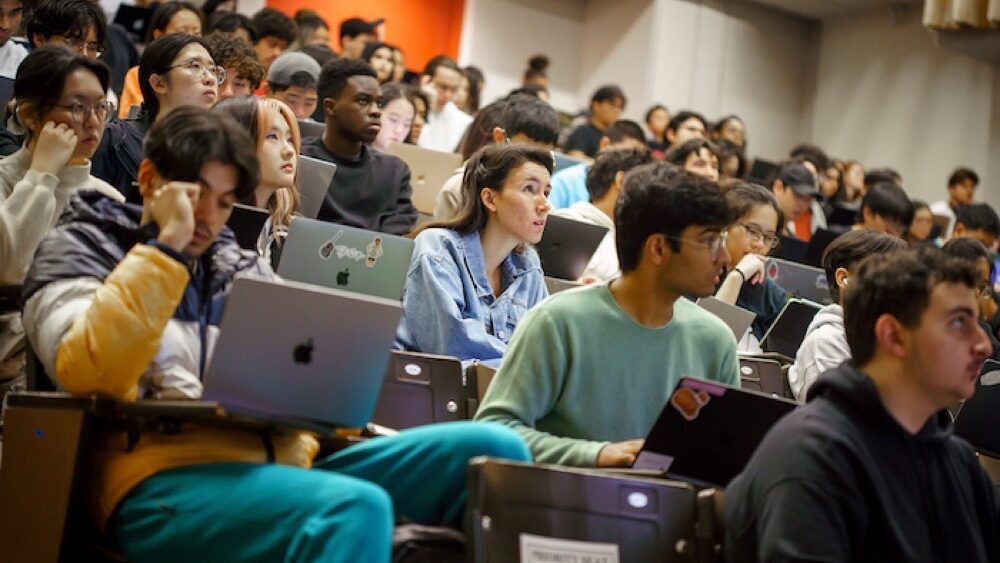
Across the Gulf region, higher education is undergoing a remarkable transformation. Universities are no longer confined by geography, and knowledge is no longer exchanged in one direction. Through cross-border academic partnerships with leading global institutions, Gulf nations are building a future-ready education ecosystem that blends global excellence with regional ambition. These collaborations are reshaping how students learn, how faculty research, and how societies prepare for knowledge-driven economies.
What makes this shift especially powerful is its human dimension. Students gain access to world-class education without leaving home, faculty collaborate across continents, and institutions co-create solutions to global challenges. The Gulf is not simply importing education models; it is co-authoring the future of global higher education.
Why Cross-Border Academic Partnerships Matter
Cross-border academic partnerships in the Gulf serve a purpose far beyond branding or rankings. They are strategic instruments aligned with national visions focused on diversification, innovation, and human capital development.
For Gulf universities, partnerships provide immediate access to advanced curricula, global accreditation standards, and international research networks. For global institutions, the Gulf offers a dynamic testing ground for innovation, generous research funding, and proximity to fast-growing regions across Asia and Africa.
Most importantly, these partnerships create academic environments where students learn to think globally while remaining rooted in local culture. This balance strengthens both employability and identity, a combination increasingly valued in today’s interconnected world.
The Gulf’s Strategic Vision for Global Education
Governments across the Gulf have placed higher education at the center of long-term development strategies. Cross-border academic partnerships align seamlessly with these ambitions by accelerating capacity-building and reducing the time required to achieve global standards.
Rather than sending large numbers of students abroad, Gulf countries are bringing global universities to their doorstep. This approach keeps talent within the region while still delivering international exposure. It also allows governments to shape educational priorities around national needs such as artificial intelligence, renewable energy, healthcare, logistics, and public policy.
The result is an education system designed not just for academic excellence, but for economic resilience and social progress.
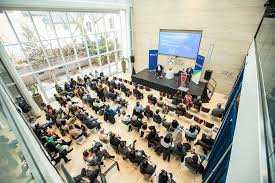
Models of Collaboration Shaping the Region
Cross-border academic partnerships in the Gulf take several distinct yet complementary forms, each designed to meet specific goals.
International branch campuses allow renowned universities to deliver their programs locally while maintaining global academic standards. Joint degree programs enable students to study across multiple countries and receive qualifications recognized worldwide. Research partnerships focus on shared challenges such as climate adaptation, urban planning, and digital transformation. Faculty exchange initiatives deepen academic culture by encouraging collaboration, mentorship, and diversity of thought.
Together, these models create a layered ecosystem where learning, research, and innovation reinforce one another.
Student-Centered Benefits That Go Beyond the Classroom
For students, the impact of cross-border academic partnerships is deeply personal. Access to internationally recognized degrees opens doors to global careers while allowing students to remain close to family and cultural networks. Exposure to diverse teaching styles encourages critical thinking, adaptability, and cross-cultural communication.
Students also benefit from blended learning experiences that combine global perspectives with regional relevance. Case studies often reflect Gulf realities alongside international best practices, making learning both aspirational and practical.
Equally important is confidence. Graduates of globally partnered institutions often feel better prepared to compete, collaborate, and lead on international platforms.
Empowering Faculty and Advancing Research
Faculty members are central to the success of cross-border academic partnerships in the Gulf. Collaborative research projects allow scholars to access broader funding opportunities, advanced laboratories, and interdisciplinary expertise. This environment encourages innovation while reducing academic isolation.
Joint supervision of doctoral students strengthens research quality and ensures alignment with global benchmarks. Faculty exchange programs also introduce new pedagogical approaches, enriching classroom experiences and academic culture.
As research output grows, Gulf universities increasingly contribute original knowledge rather than simply consuming it. This shift elevates the region’s academic credibility and global influence.
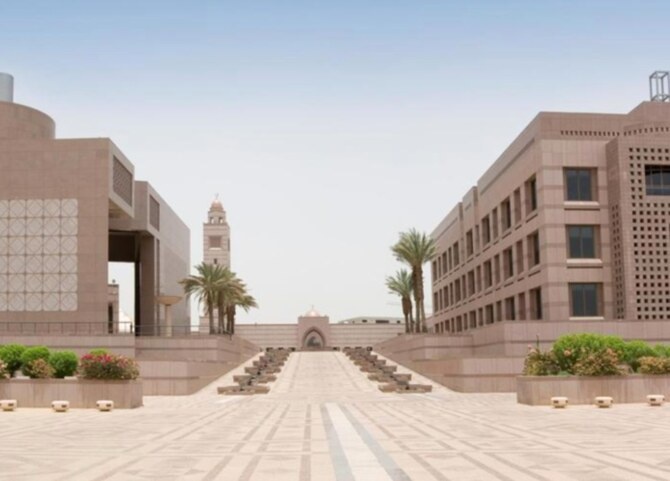
Building Knowledge Economies Through Academia
Cross-border academic partnerships are directly linked to the Gulf’s ambition to transition from resource-based economies to knowledge-driven ones. Universities act as innovation hubs where ideas move rapidly from research labs to real-world application.
Collaborations with global institutions often attract industry partnerships, startups, and venture capital. This integration strengthens technology transfer, supports entrepreneurship, and creates high-skilled jobs for graduates.
Over time, the economic impact extends beyond campuses, influencing productivity, competitiveness, and long-term growth across multiple sectors.
Cultural Exchange and Mutual Learning
One of the most underrated strengths of cross-border academic partnerships in the Gulf is cultural exchange. These collaborations foster mutual understanding, respect, and shared purpose among students and faculty from diverse backgrounds.
Rather than cultural dilution, many partnerships emphasize cultural dialogue. Global institutions gain deeper insights into Gulf societies, traditions, and values, while local students develop a nuanced understanding of global perspectives.
This two-way exchange enriches academic life and prepares graduates to navigate multicultural workplaces with empathy and confidence.
Challenges and How Institutions Are Overcoming Them
While the benefits are substantial, cross-border academic partnerships are not without challenges. Differences in academic regulations, accreditation systems, and teaching cultures can create friction. Maintaining consistent quality across borders requires robust governance and continuous evaluation.
Gulf institutions are addressing these challenges through clear partnership frameworks, shared quality assurance mechanisms, and strong leadership oversight. Open communication and long-term commitment from both sides are proving essential for sustainability.
As partnerships mature, lessons learned are shaping more resilient and adaptable collaboration models.
Technology as a Catalyst for Global Collaboration
Digital transformation has accelerated the growth of cross-border academic partnerships in the Gulf. Virtual classrooms, joint online programs, and collaborative research platforms make geographic distance increasingly irrelevant.
Hybrid learning models allow students to interact with global faculty while benefiting from local mentorship and support. Digital tools also enable institutions to scale partnerships without compromising quality.
Technology is no longer just a support system; it is a strategic enabler that expands access, flexibility, and innovation in global education.
The Future of Cross-Border Academic Partnerships in the Gulf
Looking ahead, cross-border academic partnerships in the Gulf are expected to become deeper, more specialized, and more impact-driven. Future collaborations are likely to focus on advanced technologies, sustainability, healthcare innovation, and public policy leadership.
There is also a growing emphasis on co-creation rather than replication. Gulf institutions are increasingly equal partners, shaping curricula, research agendas, and global conversations.
As trust and experience grow, these partnerships will not only elevate regional education but also redefine how global academia collaborates in an interconnected world.
Conclusion: A Shared Vision for Global Learning
Cross-border academic partnerships between Gulf and global institutions represent more than institutional agreements. They embody a shared belief in the power of education to connect societies, drive progress, and unlock human potential.
By blending global excellence with regional vision, the Gulf is positioning itself as a confident contributor to the future of higher education. Students, faculty, and communities alike are benefiting from an academic ecosystem built on collaboration, innovation, and mutual respect.
In this evolving landscape, the Gulf is not just keeping pace with global education trends. It is helping to shape them.
Do follow Gulf Magazine on Instagram.
Also Read – Scholarships and Funding for Gulf Students Abroad

