

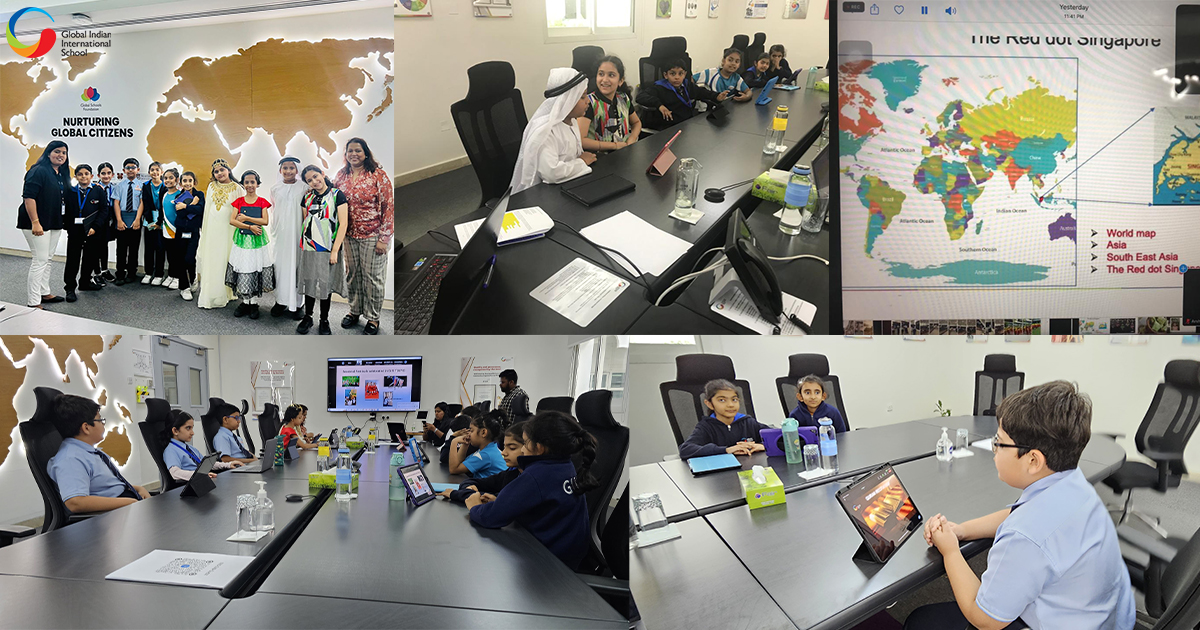
Across the Gulf region, education has evolved into far more than academic instruction. Universities, schools, and learning hubs are becoming powerful spaces for cultural exchange, global understanding, and shared human growth. From international branch campuses to government-backed scholarship programs, Gulf education systems are opening doors for students from every corner of the world while preparing local learners to engage confidently on the global stage.
As societies become increasingly interconnected, Gulf education programs stand out for their unique ability to blend tradition with innovation, regional identity with global perspectives, and local values with international standards. These programs are shaping not just skilled graduates, but culturally intelligent global citizens.
The Gulf as a Global Education Crossroads
The Gulf’s geographic location has always made it a natural bridge between East and West. Today, this strategic position is mirrored in its education ecosystem. Students from Asia, Africa, Europe, and the Americas converge in Gulf countries to study engineering, medicine, business, arts, and emerging technologies.
International campuses, bilingual curricula, and globally accredited institutions have turned cities like Doha, Dubai, Riyadh, Abu Dhabi, and Manama into academic crossroads. Within classrooms, diverse cultures interact daily, creating an environment where global learning is lived rather than merely taught.
This diversity encourages students to challenge assumptions, broaden worldviews, and develop respect for different cultural perspectives skills that are increasingly essential in today’s interconnected world.
Cultural Exchange Beyond the Classroom
True cultural exchange extends well beyond lectures and exams. Gulf education programs actively integrate cultural immersion into student life. Festivals, language exchange clubs, heritage weeks, and community engagement initiatives allow students to experience local traditions firsthand while sharing their own cultures.
For international students, living in the Gulf offers exposure to Arab customs, hospitality, language, and values. For local students, daily interaction with peers from different countries fosters openness, empathy, and cross-cultural communication skills.
These shared experiences often lead to lifelong friendships and global professional networks, reinforcing the idea that education is as much about human connection as academic achievement.
Global Curricula with Local Identity
One of the most distinctive features of Gulf education programs is their balance between global standards and local identity. While many institutions follow internationally recognized curricula, they also integrate regional history, ethics, and cultural studies.
This approach ensures students gain a global outlook without losing sight of their roots. Courses often emphasize ethical leadership, intercultural dialogue, and social responsibility, preparing graduates to navigate global challenges while remaining grounded in local values.
By combining global knowledge with cultural awareness, Gulf education programs produce graduates who can lead with both competence and conscience.
Language as a Bridge Between Cultures
Language plays a central role in global learning. English is widely used as a medium of instruction, enabling international collaboration and academic mobility. At the same time, Arabic language programs are increasingly promoted, encouraging non-Arab students to engage more deeply with the region’s culture.
Multilingual environments enhance cognitive flexibility and cultural sensitivity. Students learn not just to communicate across languages, but to understand the cultural nuances behind them. This linguistic exchange strengthens mutual respect and enriches the overall learning experience.
Faculty Diversity and Global Perspectives
Educators from around the world contribute to the richness of Gulf education systems. International faculty bring diverse teaching methods, research perspectives, and cultural insights, enriching academic discourse and encouraging critical thinking.
Local educators, in turn, provide context, cultural grounding, and regional expertise. This blend creates a dynamic learning environment where students benefit from global knowledge delivered through culturally informed frameworks.
The result is an education model that values dialogue, collaboration, and shared learning across borders.
Study Abroad, Scholarships, and Mobility Programs
Student mobility is a cornerstone of cultural exchange. Gulf governments and institutions actively support outbound and inbound study programs, offering scholarships, exchange agreements, and joint degrees with international universities.
Local students gain exposure to global academic environments, while international students experience the Gulf’s rapidly developing education landscape. These exchanges help break down stereotypes, promote mutual understanding, and create ambassadors for cross-cultural cooperation.
For many students, these opportunities become life-changing experiences that shape career paths, personal values, and global outlooks.
Innovation, Research, and Global Collaboration
Gulf education programs increasingly emphasize research, innovation, and entrepreneurship with global relevance. Collaborative research projects address shared challenges such as sustainability, healthcare, artificial intelligence, and climate resilience.
Students working on international research teams learn how to collaborate across cultures, manage diverse viewpoints, and solve complex problems collectively. These experiences prepare them for global careers where teamwork and adaptability are critical.
Innovation hubs and incubators within universities further connect students with international mentors, investors, and partners, reinforcing the Gulf’s role in the global knowledge economy.
Social Responsibility and Cultural Understanding
Many Gulf education programs place strong emphasis on social responsibility and community engagement. Students participate in volunteering, service learning, and social impact projects that connect education with real-world challenges.
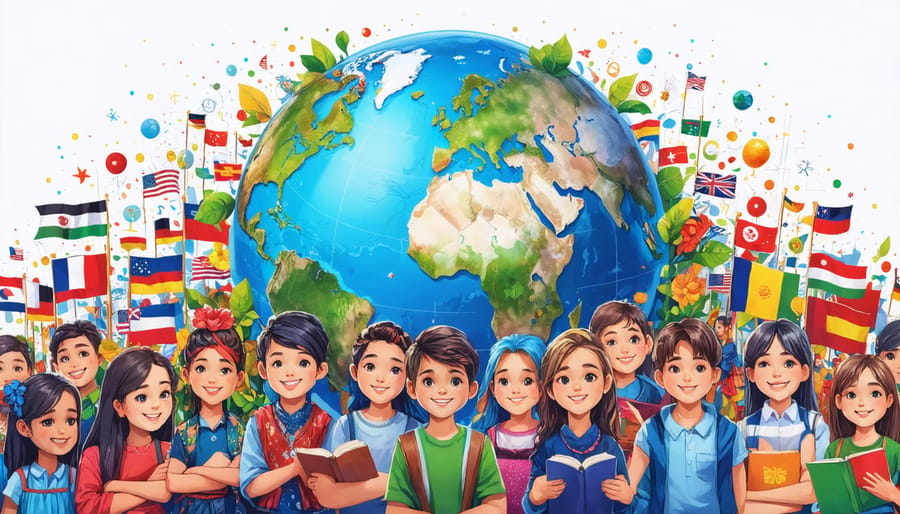
Working within multicultural teams on community initiatives helps students develop empathy, ethical awareness, and a deeper understanding of social issues across cultures. These experiences nurture leaders who are not only globally competent but also socially conscious.
Education becomes a force for positive change, reinforcing shared human values across borders.
Preparing Global Citizens for the Future
The ultimate goal of cultural exchange through education is to prepare individuals for a world where collaboration across cultures is essential. Gulf education programs excel in cultivating adaptability, open-mindedness, and intercultural competence.
Graduates emerge with more than degrees they carry global perspectives, cultural sensitivity, and the confidence to engage with diverse communities. Whether they pursue careers in multinational companies, diplomacy, academia, or entrepreneurship, they are equipped to contribute meaningfully in global contexts.
This human-centered approach to education ensures learning remains relevant, inclusive, and future-ready.
Conclusion: Education as a Shared Human Journey
Cultural exchange and global learning through Gulf education programs represent a powerful model for the future of education. By bringing together diverse cultures, ideas, and aspirations, these programs transform classrooms into global communities.
They remind us that education is not just about knowledge transfer, but about understanding one another, respecting differences, and building shared futures. As the Gulf continues to invest in education, its role as a global learning hub will only grow shaping minds, connecting cultures, and inspiring generations to learn from the world and for the world.
Do follow Gulf Magazine on Instagram.
Also Read – Education Opportunities for Expat Communities in the Gulf