

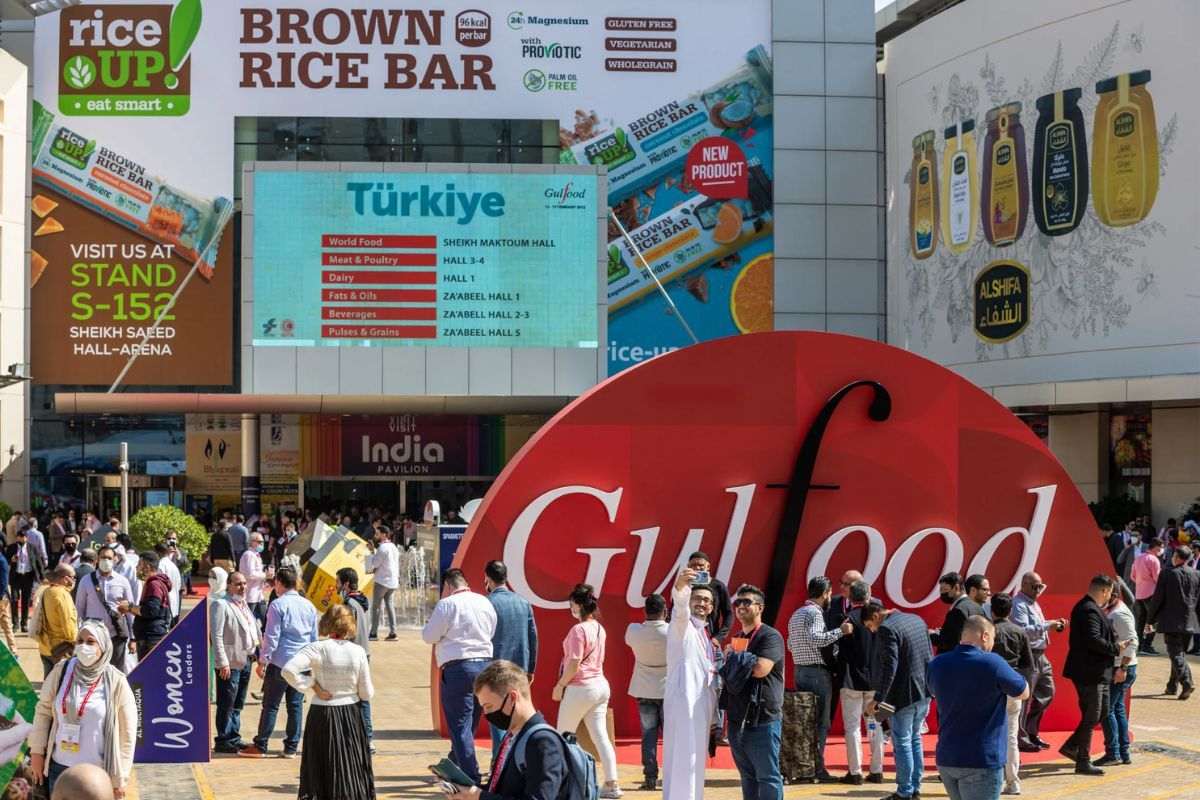
As the global food and beverage industry navigates shifting supply chains, evolving consumer habits, and rising demand for food security, Gulfood 2026 is emerging as a powerful meeting point for international trade. Set in the heart of the Gulf, the world’s largest annual food and beverage exhibition is once again drawing strong participation from global delegations, including exporters from Australia, Europe, Asia, Africa, and the Americas.
For many international companies, Gulfood is no longer just a trade show. It has become a strategic gateway to one of the fastest-growing food markets in the world, where population growth, tourism, hospitality expansion, and government-backed food security initiatives are reshaping demand across multiple categories.
Why the Gulf Food Market Commands Global Attention
The Gulf region sits at the crossroads of global trade, linking Asia, Europe, and Africa. Its food market is defined by high import dependency, strong purchasing power, and consumers who are increasingly open to international products. This combination makes the region especially attractive for exporters seeking long-term growth.
Governments across the Gulf are investing heavily in logistics infrastructure, cold-chain development, ports, and free zones, making food imports smoother and more efficient. At the same time, rising urbanization and a young, diverse population are driving demand for premium, convenient, healthy, and sustainably sourced food products.
Gulfood 2026 reflects this momentum, offering global suppliers a direct route to decision-makers from supermarkets, distributors, hotels, airlines, restaurants, and government procurement agencies.
Australia and Export Markets Strengthen Their Presence
Among the international participants, Australian food and beverage companies are expected to have a strong presence at Gulfood 2026. Australia’s reputation for high-quality agricultural produce, clean supply chains, and strict food safety standards aligns closely with Gulf buyer expectations.
Australian exporters are showcasing products across dairy, grains, meat alternatives, seafood, and functional foods, while also highlighting sustainability credentials and traceability. Similar momentum is visible among exporters from New Zealand, South America, Southeast Asia, and Europe, all eager to deepen their footprint in the Gulf.
For many of these companies, Gulfood serves as both a market-entry platform and a relationship-building hub, where face-to-face meetings can accelerate trust in ways digital communication cannot.
Dairy and Alternative Dairy Take Center Stage
Dairy remains one of the most sought-after categories at Gulfood 2026. Milk powders, cheese, yogurt, butter, and cream products continue to see strong demand due to the region’s reliance on imports and expanding foodservice sector.
Alongside traditional dairy, alternative dairy products made from oats, almonds, soy, and coconut are gaining visibility. Gulf consumers are increasingly health-conscious, and retailers are responding by expanding plant-based offerings. Global producers are using Gulfood to test new flavors, formats, and price points tailored to local tastes.
The exhibition floor reflects a balance between indulgence and wellness, with dairy products positioned not just as staples but as lifestyle choices.
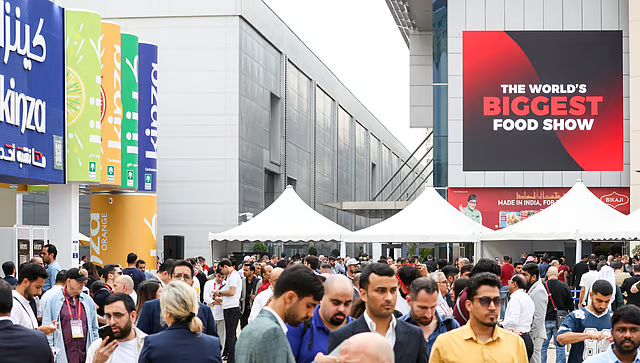
Grains, Pulses, and Staples Drive Food Security Dialogues
Grains, pulses, rice, and flour products are at the heart of Gulf food security strategies. With limited arable land, Gulf countries depend heavily on imports to meet domestic demand. Gulfood 2026 provides a platform for exporters and government entities to explore stable supply partnerships.
Wheat, barley, corn, lentils, chickpeas, and specialty grains are being showcased alongside discussions on storage, milling, and price stability. Exporters from Australia, the Black Sea region, and South Asia are engaging with Gulf buyers who are looking beyond spot purchases toward long-term supply agreements.
These conversations underline Gulfood’s growing role not just as a trade exhibition, but as a forum for strategic food planning.
Seafood’s Rising Profile in the Gulf
Seafood consumption in the Gulf is on a steady upward trajectory, driven by health trends and expanding hospitality offerings. At Gulfood 2026, global seafood exporters are presenting fresh, frozen, and value-added products tailored to regional preferences.
Australian, Nordic, and Asian suppliers are highlighting premium fish, shellfish, and sustainable aquaculture solutions. Traceability, certifications, and cold-chain reliability are key selling points, as Gulf buyers prioritize quality and consistency.
The exhibition also highlights innovation in seafood packaging and portioning, designed to suit both high-end restaurants and retail consumers.
Non-Alcoholic Beverages and Functional Drinks Gain Momentum
The non-alcoholic beverage segment is one of the fastest-growing categories at Gulfood 2026. From fruit juices and flavored waters to energy drinks and functional beverages, global brands are tapping into the Gulf’s youthful, wellness-oriented demographic.
Functional drinks enriched with vitamins, minerals, probiotics, and plant extracts are drawing strong interest. Consumers are looking for beverages that fit active lifestyles while aligning with cultural preferences.
International beverage companies see the Gulf as a test market for innovation, where premium positioning and unique flavors can quickly gain traction.
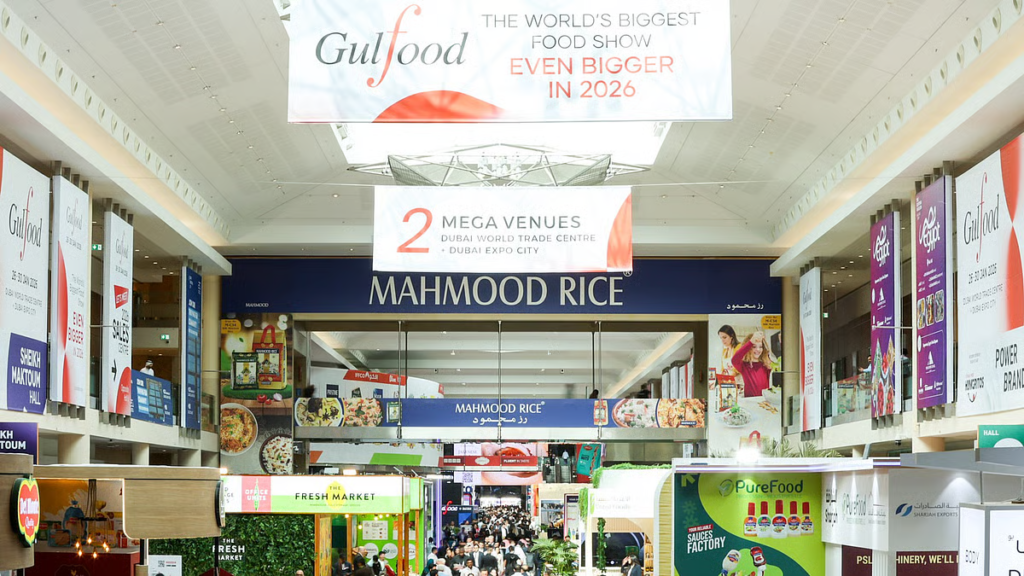
Organic, Clean-Label, and Sustainable Products in Focus
Sustainability is no longer a niche conversation at Gulfood. Organic, clean-label, and responsibly sourced products are now firmly in the spotlight. Global producers are responding to growing consumer awareness around health, environmental impact, and ethical sourcing.
Organic snacks, cereals, baby food, and ready-to-eat meals are prominently featured, alongside discussions on certification standards and supply transparency. Gulf retailers are increasingly dedicating shelf space to products that tell a clear story of origin and impact.
For international exporters, Gulfood 2026 offers an opportunity to position sustainability not as a premium add-on, but as a core value proposition.
Innovation Meets Tradition on the Exhibition Floor
One of Gulfood’s defining strengths is its ability to blend innovation with tradition. While global brands showcase cutting-edge food technology, many exhibitors also highlight products rooted in heritage and authenticity.
Traditional grains, ancient recipes, and artisanal processing methods are being reintroduced to modern markets through contemporary branding and packaging. This balance resonates strongly with Gulf consumers, who value both global variety and cultural connection.
The result is an exhibition that feels dynamic, diverse, and deeply human in its approach to food.
Networking That Translates Into Real Business
Beyond the displays and product launches, Gulfood 2026 is about relationships. The event brings together buyers and sellers who understand the importance of trust, reliability, and long-term collaboration.
Private meetings, tasting sessions, and informal conversations often lead to distribution agreements, joint ventures, and market expansion plans. For many global companies, a single successful connection at Gulfood can shape years of business growth in the region.
This relationship-driven environment is what keeps international delegations returning year after year.
The Gulf as a Global Food Trade Hub
Gulfood 2026 reinforces the Gulf’s position as a global food trade hub. With its advanced logistics, multicultural consumer base, and strategic location, the region offers unmatched access to markets across the Middle East, Africa, and South Asia.
International exhibitors are not just targeting local buyers, but also regional distributors who can extend their reach across borders. This multiplier effect makes participation in Gulfood especially valuable for export-oriented companies.
As global food systems become more interconnected, the Gulf’s role as a connector continues to grow.
Looking Ahead: What Gulfood 2026 Represents
Gulfood 2026 is more than an exhibition; it is a reflection of how global food trade is evolving. It captures the shift toward resilience, sustainability, and collaboration in an industry facing complex challenges.
For international food and beverage companies, participation signals commitment to the Gulf market and confidence in its long-term potential. For Gulf buyers, it offers access to the world’s best products, ideas, and partnerships under one roof.
As global delegations arrive with ambition and optimism, Gulfood 2026 stands as a powerful reminder that food is not just a commodity, but a bridge between cultures, economies, and people.
Do follow Gulf Magazine on Instagram.
Also Read – Bahrain Food Production Boosted by Ghitha’s Strategic Investment

