

Global food systems are undergoing one of their most turbulent periods in decades. From geopolitical tensions and trade tariffs to climate shocks and logistics bottlenecks, the reliability of international food supply chains can no longer be taken for granted. For the Gulf Cooperation Council (GCC) countries long dependent on food imports these disruptions have acted as a powerful wake-up call. Across the region, governments are rethinking food security strategies with renewed urgency, shifting from reactive measures to long-term resilience planning.
Food security is no longer viewed solely as an agricultural issue. It has become a strategic priority tied to economic stability, social well-being, and national security. The GCC’s response reflects a broader transformation: a move away from vulnerability toward diversification, innovation, and regional self-reliance.
Why Food Security Matters More Than Ever in the Gulf
The GCC imports a significant share of its food due to arid climates, limited freshwater resources, and constrained arable land. While global trade once made this dependence manageable, recent disruptions have exposed its risks. Rising freight costs, export restrictions by producing countries, and sudden tariff changes have directly impacted food availability and pricing across Gulf markets.
For consumers, this has meant higher grocery bills and occasional shortages of key staples. For governments, it has reinforced the reality that food security cannot rely on global markets alone. Ensuring stable access to affordable food has become central to maintaining public confidence and economic balance.
From Import Dependence to Strategic Resilience
Rather than attempting complete self-sufficiency which remains impractical the GCC is pursuing a smarter, more balanced approach. The new strategy focuses on reducing critical vulnerabilities while maintaining openness to global trade.
This shift includes identifying essential food categories that require local or regional buffers, such as grains, poultry, dairy, and fresh produce. Strategic stockpiling has been expanded, but with improved management systems to reduce waste and ensure freshness. Digital tracking, advanced storage facilities, and real-time inventory monitoring are now part of national food security frameworks.
Investing in Domestic Food Production
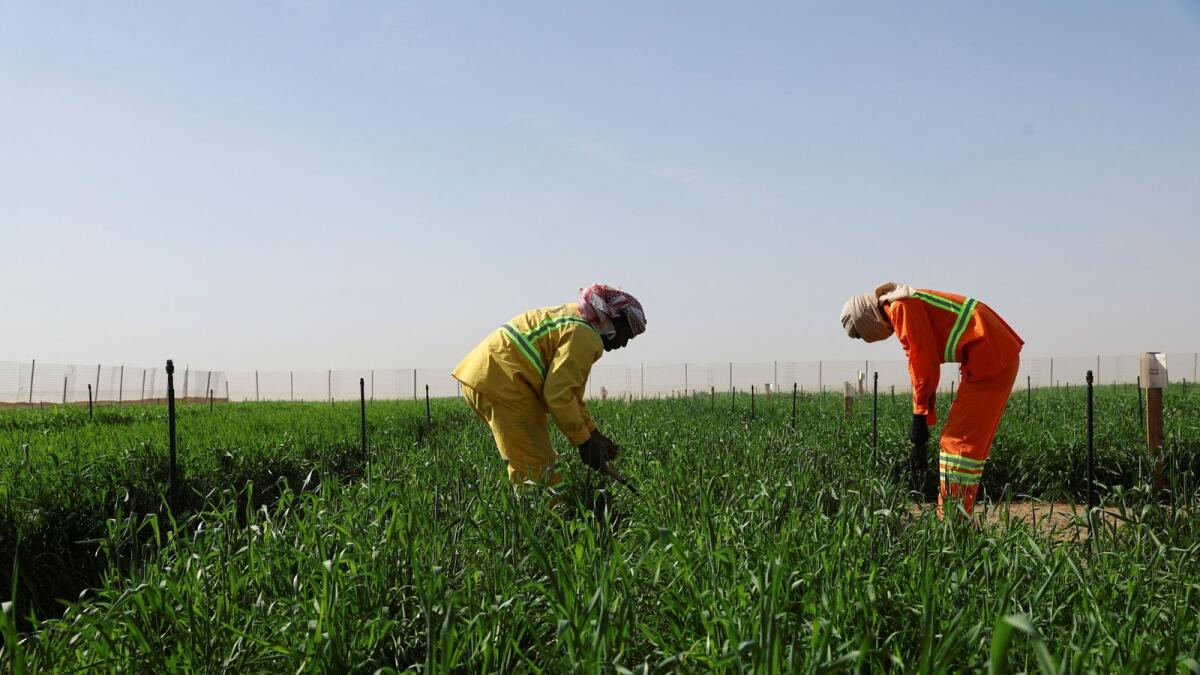
One of the most visible changes is the acceleration of domestic food production projects. Across the Gulf, governments are supporting high-efficiency farming models designed for desert environments. Greenhouses, hydroponics, aquaponics, and vertical farms are no longer experimental they are becoming mainstream.
These systems use significantly less water, reduce dependence on seasonal imports, and allow year-round production close to urban centers. While domestic output may never replace imports entirely, it plays a crucial role in cushioning supply shocks and stabilizing prices during global disruptions.
Equally important is the focus on livestock, poultry, and dairy production. By strengthening these sectors, GCC countries aim to secure protein sources that are less exposed to international market volatility.
Technology as the Backbone of Food Security
Technology is at the heart of the GCC’s evolving food security vision. Artificial intelligence, data analytics, and automation are being integrated across the food value chain—from farm to port to supermarket shelf.
Smart farming technologies optimize water and energy use, while predictive analytics help authorities anticipate shortages before they occur. Blockchain-based traceability systems are improving transparency, food safety, and consumer trust.
At the policy level, data-driven decision-making is replacing traditional forecasting methods. Governments can now simulate global disruption scenarios and adjust import strategies, storage levels, and production targets accordingly.
Strengthening Regional and Global Partnerships
While reducing vulnerability is a priority, the GCC is not retreating from global markets. Instead, it is reshaping its partnerships to be more resilient and diversified. Trade relationships are being expanded beyond traditional suppliers to include a wider range of countries and regions.
Long-term procurement agreements, overseas agricultural investments, and joint ventures have become key tools. By investing directly in farmland, processing facilities, and logistics hubs abroad, GCC countries gain greater control over supply chains while supporting food production in partner nations.
At the regional level, cooperation among GCC members is also gaining momentum. Shared reserves, coordinated import policies, and information exchange can help mitigate risks more effectively than isolated national efforts.
Tariff Pressures and Policy Adaptation
Global tariff pressures have added another layer of complexity to food security planning. Changes in trade policies can quickly alter the cost and availability of essential food items. In response, GCC governments are reviewing tariff structures, subsidies, and customs procedures to protect consumers without distorting markets.
Flexible policy tools are being developed to respond quickly to price spikes or supply disruptions. These include temporary tariff adjustments, targeted subsidies for essential goods, and support for local producers facing higher input costs.
The goal is not to shield markets entirely, but to ensure that external shocks do not translate into sudden hardship for households.
The Role of the Private Sector
Food security is no longer a government-only responsibility. The private sector plays a central role in building resilient supply chains, investing in innovation, and scaling production. Retailers, logistics firms, agribusinesses, and technology providers are increasingly aligned with national food security objectives.
Public-private partnerships are driving investment in cold storage, food processing, and last-mile distribution. Startups focused on agri-tech and food innovation are finding strong support, reflecting the region’s broader push toward knowledge-based economies.
This collaboration ensures that food security strategies are commercially viable, scalable, and responsive to consumer needs.
Sustainability and Long-Term Viability
Resilience without sustainability is not enough. GCC food security strategies are increasingly aligned with environmental goals, recognizing the limits of natural resources. Water efficiency, renewable energy use, and waste reduction are now integral to food planning.
Reducing food waste both at the consumer and supply chain levels has emerged as a major opportunity. Improved logistics, better forecasting, and public awareness campaigns are helping cut losses and improve overall efficiency.
By integrating sustainability into food security, the GCC is laying the groundwork for systems that can endure economic and environmental pressures alike.
Building Public Confidence Through Preparedness
Perhaps the most important outcome of the GCC’s food security rethink is renewed public confidence. When consumers trust that food supplies are stable, affordable, and safe, social and economic stability follows.
Clear communication, visible investment, and consistent availability reinforce that trust. The region’s proactive approach signals that food security is being addressed not as a short-term crisis response, but as a permanent national priority.
A Strategic Shift With Lasting Impact
The GCC’s evolving food security strategy reflects a deeper transformation in how the region approaches risk, resilience, and self-reliance. Global disruptions have exposed weaknesses, but they have also accelerated innovation and collaboration.
By combining smart imports, local production, advanced technology, and forward-looking policies, Gulf nations are building food systems designed for uncertainty. This strategic shift will not only protect against future shocks but also support economic diversification, sustainability, and long-term growth.
In a world where global supply chains remain fragile, the GCC’s bold rethink of food security stands as a confident step toward stability and shared prosperity.
Do follow Gulf Magazine on Instagram.
Also Read – Top Middle East Food and Beverage Industry Stories of 2025

