

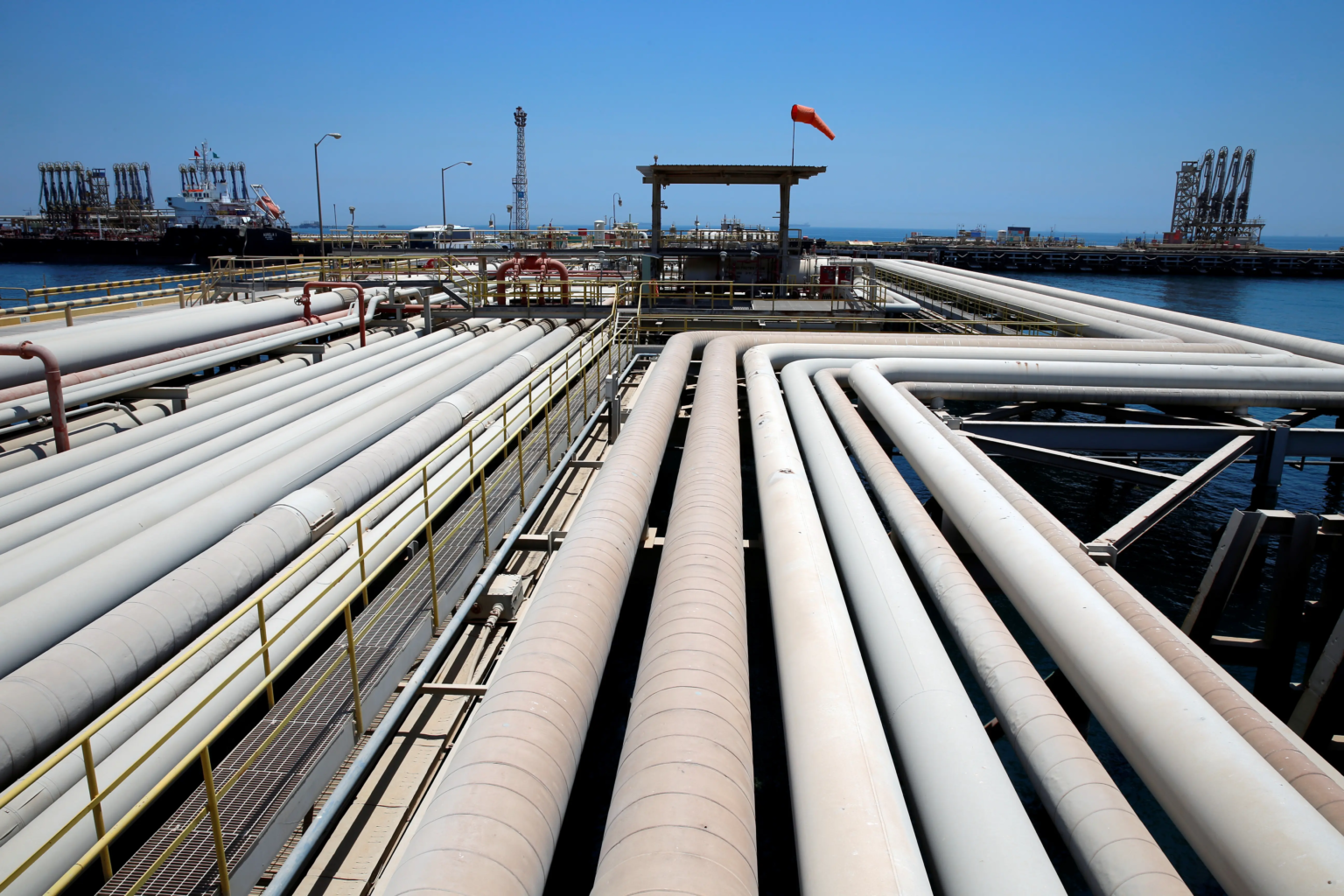
The Gulf Cooperation Council (GCC) countries, historically reliant on oil revenues, are now embarking on an ambitious journey of economic diversification. With oil price volatility and global shifts toward sustainability, nations like Saudi Arabia, UAE, Qatar, Kuwait, Bahrain, and Oman are strategically investing in sectors that promise long-term growth. By focusing on tourism, finance, technology, and renewable energy, these countries are transforming their economies and securing a more resilient future for generations to come.
Expanding Tourism: Showcasing Culture and Innovation
Tourism has become a cornerstone of GCC economic diversification. Cities such as Dubai, Riyadh, Doha, and Muscat are rapidly emerging as global destinations for leisure, business, and cultural experiences. Luxurious resorts, futuristic entertainment complexes, and world-class sporting events are attracting millions of visitors annually.
Saudi Arabia’s Vision 2030, for instance, emphasizes tourism as a key driver of growth. Projects like NEOM and the Red Sea Development are set to create unprecedented experiences for international travelers while boosting employment opportunities. Similarly, the UAE continues to innovate in hospitality, hosting major events such as Expo 2020 Dubai and Formula 1 races, which enhance its global appeal.
Tourism not only generates revenue but also stimulates the broader economy. The development of airports, transport networks, and service industries creates jobs and fosters local entrepreneurship, reflecting a holistic approach to sustainable growth.
Financial Hubs: Shaping the Future of Investment
GCC countries are making deliberate efforts to establish themselves as global financial hubs. Dubai and Abu Dhabi in the UAE, along with Riyadh and Doha, are attracting international banks, investment firms, and fintech startups. These financial centers provide a stable, tax-friendly environment that appeals to investors from around the world.
By diversifying into finance, GCC nations reduce reliance on oil by generating revenue from investment services, asset management, and banking fees. Special economic zones and regulatory reforms are designed to encourage innovation while maintaining transparency and international standards.
Fintech adoption, in particular, has grown rapidly, with digital payment solutions, blockchain technologies, and mobile banking becoming mainstream. These innovations not only improve financial inclusion within the region but also position the GCC as a forward-thinking investment destination.
Technology and Innovation: Building Knowledge Economies
Technology is at the heart of GCC economic diversification. Governments are investing heavily in research, innovation hubs, and startup ecosystems to foster knowledge-based economies. AI, robotics, smart cities, and digital infrastructure are areas of strategic focus.
Saudi Arabia’s NEOM City exemplifies this technological ambition, blending smart infrastructure, AI-driven urban management, and renewable energy integration. Meanwhile, Dubai’s innovation-driven policies attract global tech talent, incubators, and venture capital, creating a thriving ecosystem for startups.
Investments in technology not only drive economic growth but also create high-skilled jobs, reduce dependence on imported labor, and enhance competitiveness on the global stage. By nurturing innovation, GCC nations are preparing for a future where knowledge and creativity are as valuable as oil reserves.
Renewable Energy: Paving the Way for a Sustainable Future
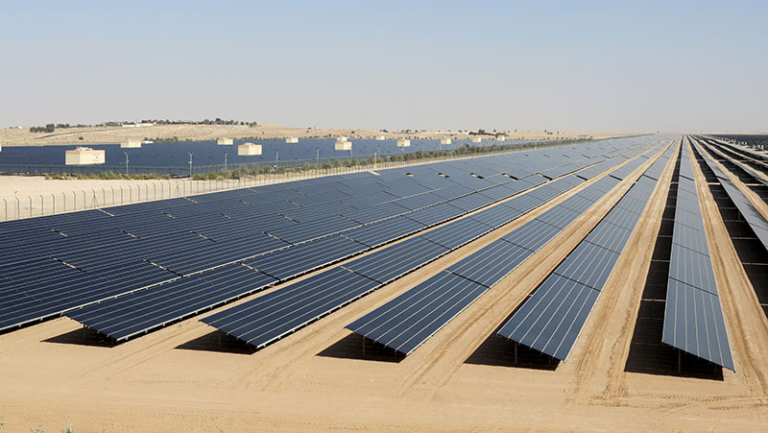
Sustainability is a central pillar of the GCC’s long-term strategy. Countries in the region are investing billions in renewable energy projects to reduce carbon emissions and secure energy independence beyond oil. Solar and wind energy initiatives are flourishing, with large-scale projects in Saudi Arabia, UAE, and Qatar leading the way.
For example, Saudi Arabia’s ambitious solar projects aim to generate tens of gigawatts of clean energy by 2030, while the UAE’s Mohammed bin Rashid Al Maktoum Solar Park is already among the largest solar facilities in the world. These initiatives not only contribute to environmental goals but also create new industrial sectors and employment opportunities.
Renewable energy also strengthens energy security, providing an alternative to fossil fuels and positioning GCC nations as pioneers in global climate action. By combining innovation with sustainability, the region demonstrates that economic growth and environmental responsibility can go hand in hand.
Education and Workforce Development: Empowering Human Capital
To sustain these diversification efforts, GCC countries are investing in education and workforce development. Universities, vocational programs, and training initiatives are aligning with emerging industries such as tourism, finance, tech, and renewable energy.
Young professionals are being equipped with the skills needed to thrive in a knowledge-driven economy. Initiatives promoting female workforce participation and international collaboration further enhance human capital, fostering inclusive growth.
By prioritizing education, GCC nations ensure that economic diversification is not just a top-down policy but a movement supported by a skilled, adaptable, and innovative population.

Global Collaboration and Investment: Attracting the World
GCC countries are actively seeking international partnerships to accelerate their diversification strategies. Foreign investment is encouraged through incentives, special economic zones, and public-private partnerships. Collaborations with global technology firms, tourism operators, and financial institutions provide both expertise and capital.
Events such as Dubai Expo, Riyadh’s investment forums, and Qatar’s international business summits showcase the region as a destination for global business. By opening doors to the world, GCC nations amplify the impact of their domestic initiatives and reinforce their position as strategic hubs on the global stage.
Economic Resilience: Reducing Oil Dependence
The overarching goal of these initiatives is to reduce dependency on oil revenue. By developing multiple economic pillars, GCC countries are creating a more resilient and diversified economic base. This approach mitigates the impact of oil price fluctuations, strengthens fiscal stability, and prepares the region for global energy transitions.
A diversified economy ensures sustained growth, job creation, and long-term prosperity. GCC nations are no longer just oil exporters they are emerging as centers of tourism, innovation, finance, and sustainability, demonstrating the potential of forward-thinking governance and strategic investments.
Conclusion: A Promising Horizon
The GCC’s commitment to economic diversification reflects visionary leadership and long-term planning. By investing in tourism, finance, technology, renewable energy, and human capital, these nations are transforming their economic landscape. The shift from oil dependence to multi-sector prosperity is a bold and inspiring journey, positioning the GCC as a global model for innovation, sustainability, and resilience.
As these strategies continue to evolve, the GCC region promises not only economic stability but also a vibrant, inclusive, and forward-looking future, ready to meet the challenges and opportunities of a rapidly changing world.
Do follow Gulf Magazine on Instagram.
Also Read – Nestle Baby Formula Recall: Saudi Warns Parents Urgently

