

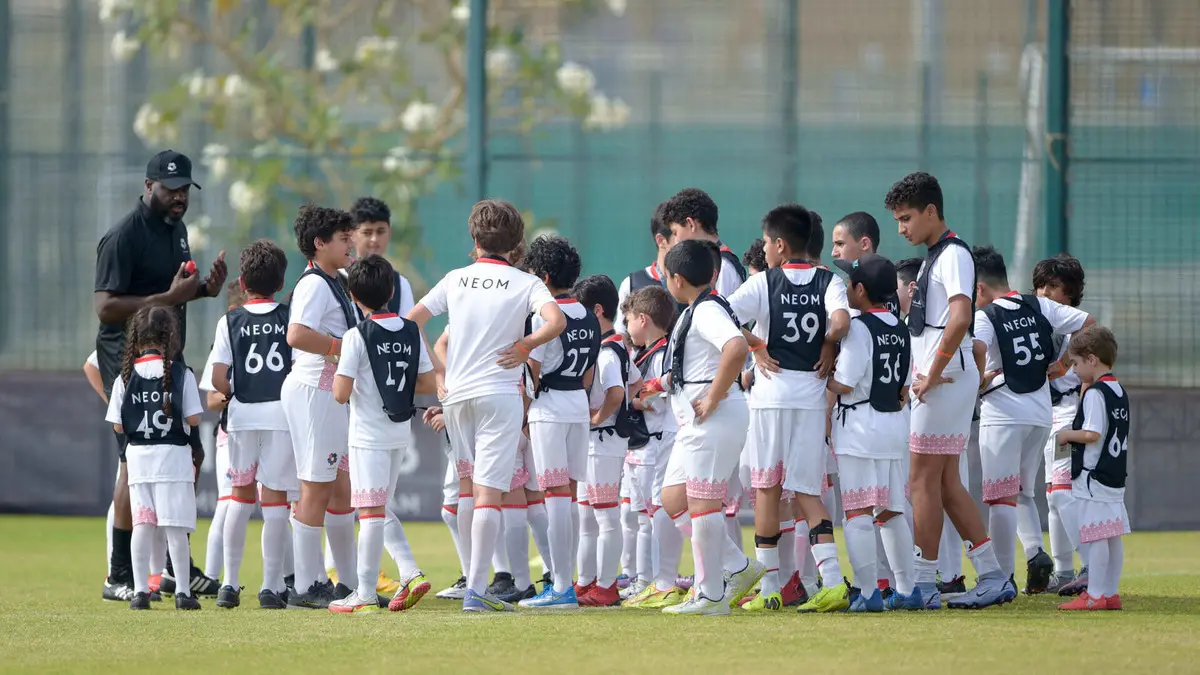
The passion for football runs deep in the heart of the Gulf Cooperation Council (GCC) countries. From the bustling streets of Qatar to the vibrant neighborhoods of the UAE, youth football development programs are transforming the landscape of sports and nurturing future stars. These initiatives are not merely about honing skills on the pitch; they represent a commitment to fostering teamwork, discipline, and a sense of community among the youth.
Through this exploration, we will dive into the various youth football development programs in the GCC, examining their structure, impact, and the bright future they promise for young athletes.
Discover the Growing Landscape of Youth Football in the GCC
Youth football development programs in GCC countries have gained significant momentum over the past decade. With the growing popularity of the sport, countries like Saudi Arabia, the UAE, Bahrain, Kuwait, Oman, and Qatar have invested heavily in nurturing young talent.
These programs aim to provide structured training and competitive opportunities for aspiring footballers. They focus not only on skill development but also on instilling core values that are essential both on and off the field.
How GCC Countries Are Investing in Young Talent
The GCC nations are making considerable investments in sports infrastructure and youth programs. Governments and private organizations are collaborating to create state-of-the-art facilities, coaching certification programs, and talent identification initiatives.
In Saudi Arabia, for instance, the Saudi Arabian Football Federation has launched several youth academies designed to scout and develop young players. Similarly, the UAE Football Association has established its own youth leagues, providing a platform for players to showcase their abilities.
The Role of International Partnerships in Development
One of the cornerstones of successful youth football development programs in the GCC is the collaboration with international football academies and organizations. By partnering with renowned football clubs and institutions, GCC countries are able to leverage best practices and cutting-edge training methods.
These partnerships often involve coaching clinics, exchange programs, and the development of local coaches who can deliver high-quality training to young athletes. Such collaborations not only elevate the standards of training but also expose young players to a global football culture.
Engaging Communities: Football for All
A significant feature of youth football development programs in the GCC is their focus on inclusivity. Many initiatives aim to engage underprivileged communities and ensure that football is accessible to all children, regardless of their socio-economic background.
Programs that offer free training sessions, scholarships, and community outreach initiatives are increasingly common. These efforts help in building a sense of belonging among youth and promote the idea that football can be a pathway to personal and professional growth.
The Impact of Technology on Training Regimens

Modern technology is playing a transformative role in the training regimens of youth football programs across the GCC. From video analysis tools to performance tracking apps, coaches and players now have access to a wealth of resources that enhance training efficiency.
Utilizing technology allows for personalized training plans, enabling young athletes to work on specific skills and weaknesses. This data-driven approach ensures that players are constantly evolving and improving their game.
The Importance of Mental Resilience in Young Athletes
While physical training is essential, mental resilience is equally important in youth football development programs. Coaches in the GCC are increasingly focusing on the psychological aspects of the game, helping young players develop a strong mindset.
Workshops and seminars on sports psychology, goal-setting, and stress management are becoming integral parts of training curriculums. By equipping players with mental tools, these programs prepare them for the challenges of competitive football and life beyond the pitch.
Success Stories: Young Talents Making Waves
The impact of youth football development programs in the GCC is evident in the success stories emerging from the region. Many young athletes have transitioned to professional football, representing their countries in international competitions and prestigious leagues.
For instance, the UAE has produced several players who have gone on to play in top European leagues. Similarly, Saudi Arabia’s youth teams have shown remarkable performances on the continental stage, showcasing the potential that these development programs unlock.
Building a Bright Future for Football in the GCC
The future of football in the GCC looks promising, thanks to the ongoing efforts in youth development. With continuous investment and a strategic approach, the region is set to become a powerhouse in producing world-class football talent.
As parents, coaches, and communities come together to support these initiatives, the passion for the game will only grow deeper. The youth of today will undoubtedly be the stars of tomorrow, inspiring future generations to chase their dreams on the football field.
Conclusion: A New Era of Football in the GCC
Youth football development programs in GCC countries are more than just training camps; they are a vital part of the region’s socio-cultural fabric. By investing in young talent, promoting inclusivity, and embracing technology, these programs are shaping the future of football in the Gulf.
As we continue to witness the evolution of these initiatives, one thing is clear: the passion for football will remain a driving force, uniting communities and inspiring young athletes to reach for the stars.
Do follow Gulf Magazine on Instagram.
Also Read – Impact of FIFA Events on Gulf Economy and Local Communities

