

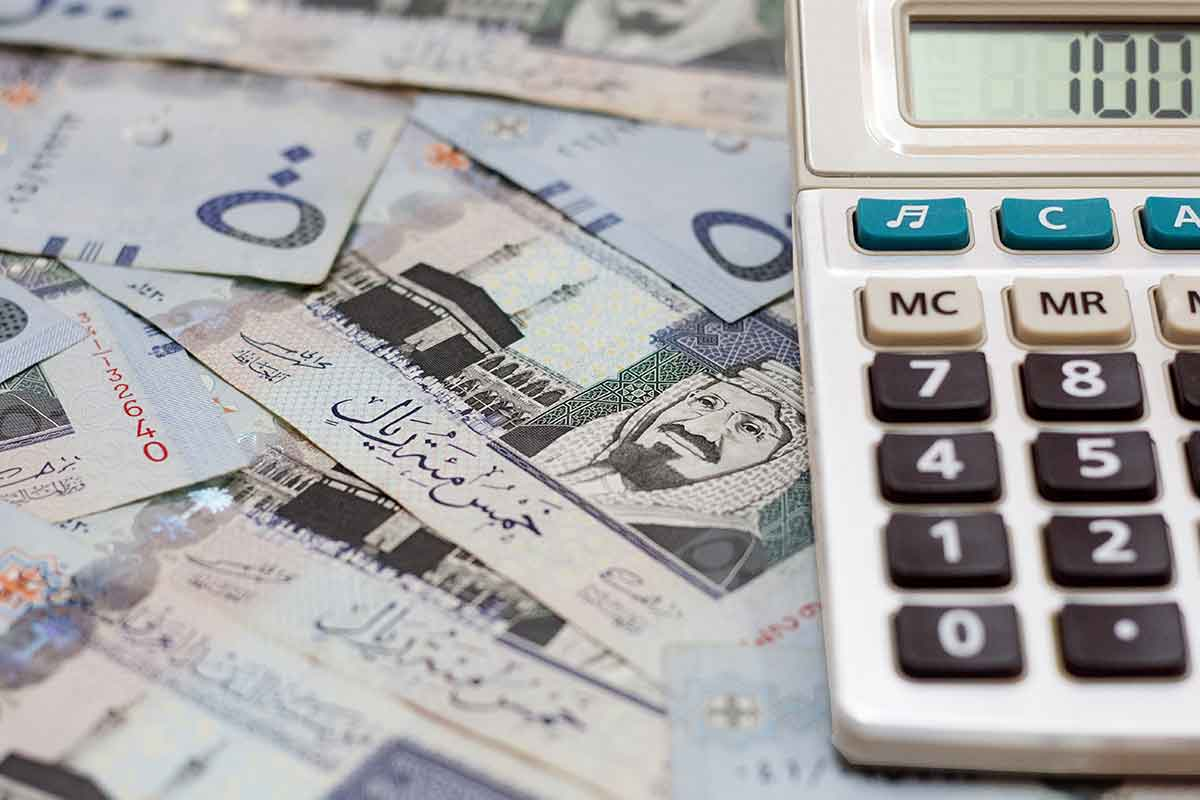
Saudi Arabia is setting a precedent with its ambitious annual borrowing plan of $57.87 billion for the fiscal year 2026. This substantial financial maneuver is not just a number; it signifies the kingdom’s strategic approach to economic growth, diversification, and resilience in a rapidly changing global landscape. Understanding the implications of this borrowing plan is essential for anyone interested in the future of Saudi Arabia’s economy and its impact on the region.
What Does the $57.87bn Borrowing Mean for Saudi Arabia?
The decision to borrow such a massive amount reflects Saudi Arabia’s commitment to funding various development projects. By investing in infrastructure, healthcare, and education, the government aims to diversify its economy away from oil dependency. This plan is a critical step in the Vision 2030 initiative, which seeks to transform the Saudi economy into one that is sustainable and less reliant on oil revenues.
How Will the Borrowing Impact Economic Growth?
The impact of Saudi Arabia’s $57.87bn annual borrowing plan for FY2026 on economic growth cannot be understated. By allocating funds to key sectors, the government is poised to stimulate job creation and foster innovation. Increased public spending can lead to higher demand for goods and services, which in turn propels economic growth.
Moreover, the borrowing plan is expected to enhance the country’s infrastructure, making it more attractive for foreign investment. Improved infrastructure can lead to better logistics, enhanced connectivity, and ultimately, a more competitive economy.
The Role of International Markets in Financing
Saudi Arabia’s borrowing plan is likely to tap into international debt markets. The kingdom has historically had a strong credit rating, which allows it to issue bonds at favorable rates. By securing international financing, Saudi Arabia can attract foreign investors, who may view the borrowing as a sign of the government’s commitment to long-term economic stability.
However, it is essential to monitor how these international markets react to Saudi Arabia’s borrowing plan. Investors will be keen to assess the fiscal health of the nation, especially in light of global economic uncertainties.
Will the Borrowing Plan Increase National Debt Levels?
One of the primary concerns regarding the $57.87 billion borrowing plan is its potential impact on national debt levels. While borrowing can stimulate growth, excessive debt can lead to long-term financial challenges. It is crucial for Saudi Arabia to balance its borrowing with sustainable fiscal policies.
The government has indicated that it is committed to maintaining a prudent debt-to-GDP ratio. This approach is vital in ensuring that the borrowing does not spiral out of control, putting pressure on future generations to repay the debt.
Can the Borrowing Drive Social Change?
The implications of Saudi Arabia’s $57.87bn annual borrowing plan for FY2026 extend beyond economic metrics; they also touch upon social change. Increased funding for education and healthcare can lead to improved quality of life for citizens. As the government invests in human capital, it can empower the workforce, leading to a more skilled and capable population.
In this regard, the borrowing plan aligns with the broader goals of Vision 2030, which emphasizes the importance of social development alongside economic diversification. The potential for social change is significant, as improved education and healthcare can lead to a more equitable society.
How Will Local Businesses Be Affected?
Local businesses stand to benefit from Saudi Arabia’s borrowing plan, particularly those involved in construction, technology, and services. As government contracts flow into the economy, businesses can expect to see increased demand for their products and services.
Moreover, initiatives supporting small and medium enterprises (SMEs) are likely to gain momentum, as the government seeks to create a more vibrant entrepreneurial ecosystem. This could lead to a surge in innovation and creativity within the local market.
What Are the Risks Involved?
While the potential benefits of the $57.87bn borrowing plan are compelling, there are inherent risks that must be acknowledged. Economic volatility, fluctuating oil prices, and geopolitical tensions can all impact the effectiveness of the borrowing strategy.
Additionally, if the projects funded by the borrowing do not yield the expected returns, the government may find itself in a precarious financial situation. It is important for Saudi Arabia to have robust risk management frameworks in place to mitigate these challenges.
The Future: What Lies Ahead for Saudi Arabia?
Looking ahead, the success of Saudi Arabia’s annual borrowing plan will depend on effective execution and transparency. The government must ensure that funds are allocated efficiently and that projects are managed with accountability.
As the kingdom navigates this ambitious financial landscape, it will be crucial to maintain confidence among both local and international stakeholders. Ongoing communication and transparency about the plan’s progress will help build trust and assure investors of Saudi Arabia’s commitment to sustainable development.
Conclusion: The Long-Term Impact of Borrowing
In conclusion, Saudi Arabia’s $57.87bn annual borrowing plan for FY2026 represents a bold step towards economic diversification and growth. While there are risks involved, the potential benefits for the economy, society, and local businesses are significant.
By strategically investing in key sectors, the kingdom aims to create a sustainable future that is less reliant on oil revenues. As the nation moves forward, it is essential to monitor the plan’s implementation and its impact on the overall economy and society.
Do Follow Gulf Magazine on Instagram
Also read: Aramco Digital rollout boosts connectivity across Saudi industry

