


By August 2025, Saudi Arabia reached a milestone that once seemed ambitious but distant: the tourism sector created more than one million jobs. This achievement marks a powerful shift in the Kingdom’s economic story, reflecting how tourism has moved from a supporting role to a central pillar of national growth. Behind the numbers are real people young graduates, experienced professionals, artisans, and entrepreneurs finding meaningful work and new purpose across the country.
Tourism is no longer only about visitors arriving and leaving. It is about livelihoods being built, communities being revitalized, and aspirations turning into careers. From the Red Sea coast to the ancient heritage sites of AlUla, the impact of this transformation is visible and deeply human.
How Tourism Became a Job Creation Engine
Saudi Arabia’s tourism expansion did not happen overnight. Strategic planning, sustained investment, and policy reforms laid the foundation for a sector capable of absorbing a diverse workforce. Hotels, resorts, airlines, entertainment venues, museums, restaurants, and travel services grew rapidly, creating demand for talent at every level.
Equally important was the focus on long-term employment rather than temporary gains. Tourism projects were designed to operate year-round, supporting stable jobs in operations, management, marketing, maintenance, and customer experience. This approach ensured that job creation was not seasonal but sustainable.
Opportunities for Youth and First-Time Job Seekers
One of the most striking aspects of this milestone is the role tourism has played in youth employment. Thousands of young Saudis entered the workforce through hospitality, travel services, cultural attractions, and event management. For many, tourism provided a first professional step that combined learning with real-world responsibility.
Training programs, internships, and vocational pathways helped bridge the gap between education and employment. Young workers gained confidence, communication skills, and global exposure, often interacting with visitors from dozens of countries. These experiences have shaped a new generation that is outward-looking, skilled, and adaptable.
Women’s Growing Presence in the Tourism Workforce
Tourism has also opened doors for women across Saudi Arabia. From front-desk management and tour guiding to marketing, design, and leadership roles, women have become an essential part of the sector’s success. Flexible work environments and diverse career paths made tourism an attractive option for women entering or re-entering the workforce.
This inclusion has had a ripple effect, strengthening household incomes and reshaping social expectations around professional participation. In many regions, women-led tourism initiatives have emerged, highlighting local culture, crafts, and cuisine while generating independent income streams.
Regional Development Beyond Major Cities
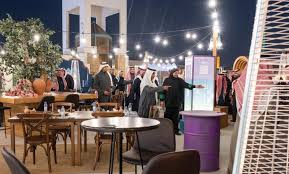
While cities like Riyadh and Jeddah remain major employment hubs, tourism-driven job creation has spread far beyond urban centers. Smaller towns and rural areas benefited as heritage sites, eco-tourism projects, and cultural festivals attracted visitors and investment.
Local residents found work as guides, hospitality staff, drivers, event coordinators, and artisans. Small businesses flourished, supplying food, souvenirs, and services tailored to visitors. This regional distribution of jobs helped reduce migration pressure on big cities and strengthened local economies.
Mega Projects and Their Employment Impact
Large-scale tourism developments played a major role in surpassing the one-million-jobs mark. Coastal resorts, entertainment districts, cultural destinations, and integrated tourism zones created thousands of direct and indirect jobs. Construction phases provided immediate employment, while long-term operations ensured sustained workforce demand.
Beyond direct hiring, these projects stimulated supply chains in logistics, technology, food production, and creative industries. Each new destination became an ecosystem, supporting a wide range of professions and skill sets.
Skills Development and Career Mobility
Tourism jobs are often seen as entry-level, but in Saudi Arabia’s evolving market, they increasingly offer clear career progression. Employees move from frontline roles to supervisory and management positions, supported by continuous training and professional development.
Language skills, digital tools, customer experience management, and leadership training have become integral to tourism careers. This focus on skill-building ensures that tourism employment is not just about filling positions, but about building long-term professional pathways.
The Role of Culture and Heritage in Employment
Cultural tourism has emerged as a powerful driver of job creation. Museums, historical sites, festivals, and performing arts venues require curators, historians, designers, performers, and educators. These roles preserve national identity while creating modern employment opportunities.
By turning heritage into a living experience, Saudi Arabia has enabled people to earn a living by sharing stories, traditions, and craftsmanship with the world. This emotional connection between work and identity has made tourism jobs especially meaningful for many.
Economic Confidence and Investor Trust
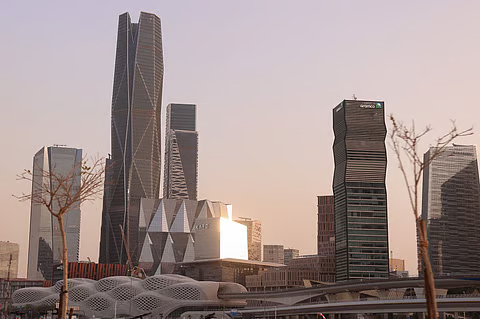
Crossing the one-million-jobs threshold has strengthened confidence in Saudi Arabia’s tourism strategy. For investors and entrepreneurs, the milestone signals stability, growth potential, and a skilled labor pool. New businesses continue to enter the market, confident that demand and talent are available.
This trust fuels further expansion, creating a virtuous cycle where investment leads to jobs, and jobs lead to stronger communities and consumer spending.
A Human-Centered Transformation
At its core, this achievement is about people. It is about families benefiting from steady income, young professionals discovering their strengths, and communities finding renewed purpose. Tourism has connected Saudis to the world while helping the world understand Saudi Arabia in more authentic ways.
The sector’s growth reflects a broader shift toward a diversified, people-centered economy—one that values service, creativity, and cultural exchange as much as traditional industries.
Looking Ahead: Sustaining the Momentum
As Saudi Arabia looks beyond August 2025, the focus is shifting from numbers to quality. Enhancing job satisfaction, improving work environments, and expanding leadership opportunities will define the next phase of growth. Sustainability, innovation, and community engagement are set to shape future employment trends.
The milestone of over one million jobs is not an endpoint. It is a foundation one that demonstrates what is possible when vision, investment, and human potential align.
Conclusion: More Than a Statistic
The creation of over one million tourism jobs stands as one of the most human stories in Saudi Arabia’s economic transformation. It represents ambition realized, lives changed, and a nation opening itself to new possibilities. As tourism continues to evolve, its greatest success will remain the people who bring Saudi Arabia’s destinations to life every day.
Do follow Gulf Magazine on Instagram.
Also Read – New Rove Hotels in Riyadh Transform Urban Hospitality

