

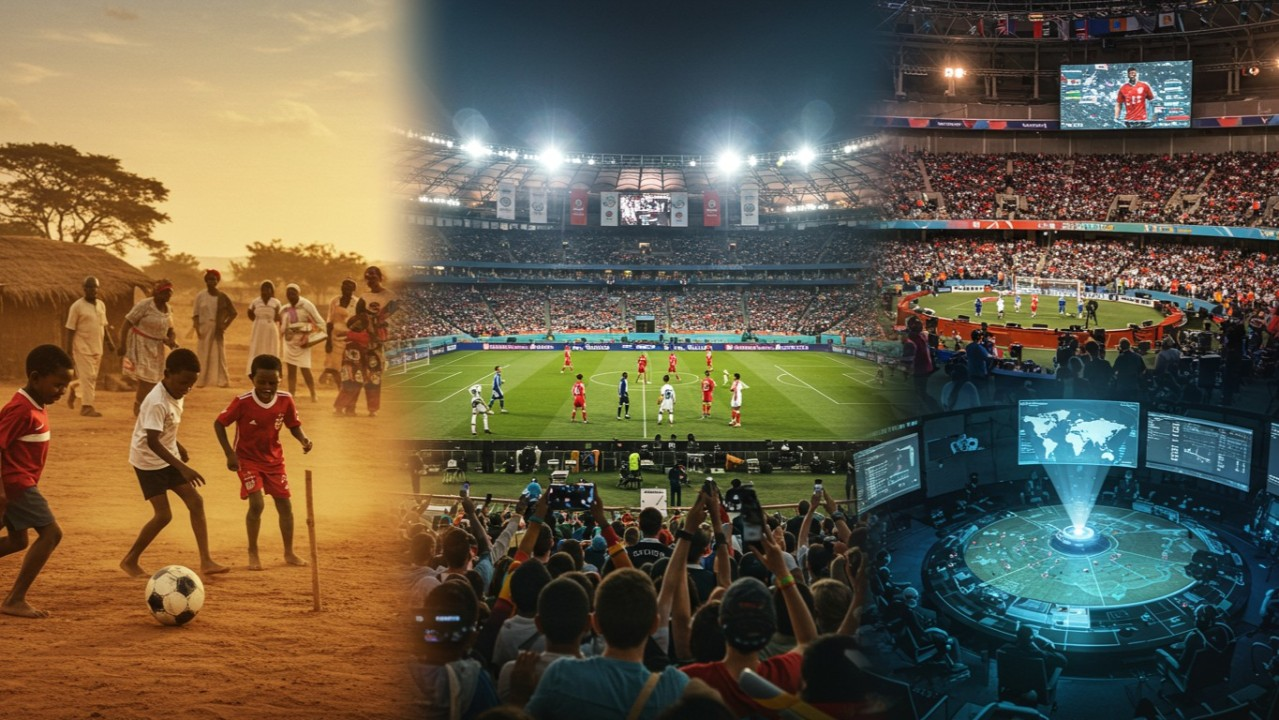
Gulf Football Diplomacy: Building Powerful Global Connections Football has long been more than just a sport. In the Gulf region, it has become a critical instrument of diplomacy, allowing nations to connect beyond politics, business, and borders. Governments in countries like the UAE, Saudi Arabia, Qatar, Kuwait, and Oman have recognized that football offers a unique platform to foster goodwill, enhance cultural exchange, and showcase national pride. The phenomenon, often referred to as “football diplomacy,” is now shaping how these nations project influence globally.
Football as a Bridge Between Cultures
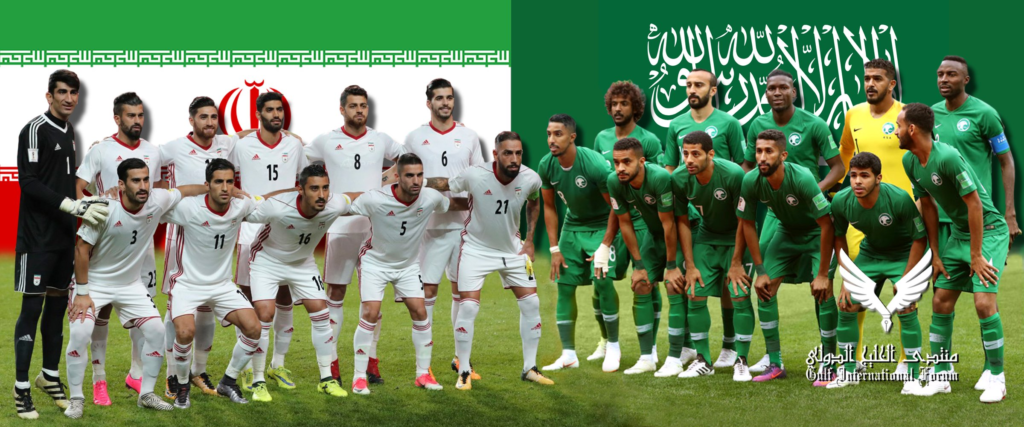
Sport has a universal language, and football speaks it fluently. Gulf countries have leveraged international football events to create cultural bridges with Europe, Asia, and the Americas. By inviting world-class teams to play in their leagues or hosting global tournaments, these nations foster people-to-people connections and build mutual respect among nations.
For example, the influx of international players into Gulf leagues brings diverse cultural experiences and enhances understanding of global values. Fans, local communities, and young athletes gain exposure to new ways of thinking and playing, fostering an environment of openness and collaboration. Football, in this sense, is more than a game it is a diplomatic tool that encourages cross-cultural dialogue.
Hosting Mega Tournaments: A Global Stage
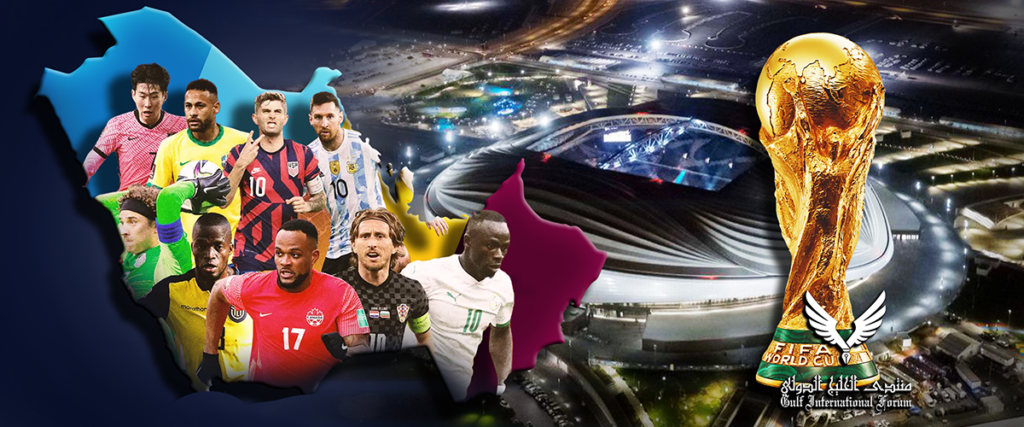
One of the most visible elements of Gulf football diplomacy is the hosting of mega sporting events. Tournaments like the FIFA Club World Cup, AFC Asian Cup, and major youth championships have positioned Gulf cities as global sports hubs. These events attract tourists, media attention, and international business, effectively blending sport with economic and diplomatic objectives.
Beyond the immediate excitement of the matches, hosting such events allows Gulf nations to showcase modern infrastructure, hospitality capabilities, and cultural heritage. Stadiums are not just venues they are symbols of progress and global ambition. Every handshake between team officials, every press conference, and every ceremonial kickoff carries diplomatic weight.
Investing in International Clubs
Ownership of international football clubs has become another tool in Gulf football diplomacy. By acquiring stakes in high-profile European clubs, Gulf investors create bridges with some of the most influential sporting networks globally. These investments allow for strategic partnerships, sponsorship deals, and collaborative projects that extend beyond the football field.
Such ownership provides a platform to influence global football narratives while promoting Gulf nations as forward-thinking and globally engaged. It also opens doors for cultural exchange, education programs, and joint initiatives with other countries. Football thus becomes a channel for sustained diplomacy, where every match played abroad reinforces a nation’s international presence.
Youth Development and Global Collaboration
Gulf football diplomacy isn’t limited to elite-level competitions. Youth academies, grassroots programs, and coaching collaborations play a critical role in fostering long-term international relationships. By sending young athletes abroad or hosting international youth tournaments, Gulf countries cultivate friendships and professional networks that endure for decades.
These programs also allow for talent development while simultaneously promoting national values and identity. The combination of skill-building, exposure to global standards, and personal growth creates ambassadors of goodwill. Young footballers trained in international contexts often return with a broader perspective, bridging cultural gaps and fostering international collaboration at the community level.
Football Diplomacy and Women’s Sports
A notable area of growth in Gulf football diplomacy is the promotion of women’s sports. Encouraging female participation in football has become both a social and diplomatic endeavor. Hosting international women’s matches, supporting women’s leagues, and investing in female coaching programs sends a clear message: Gulf nations are committed to equality and progressive values.
Internationally, this creates positive attention and opens dialogue with countries focused on gender inclusivity in sports. Domestically, it inspires young women to pursue athletics, demonstrating how football can drive both societal change and international engagement. Women’s football becomes a symbol of modern Gulf identity, blending ambition, culture, and diplomacy in one field of play.
Economic Impact as Diplomatic Leverage
While football diplomacy is often framed in cultural and social terms, the economic impact cannot be overlooked. Mega tournaments, club ownership, and international partnerships create substantial revenue streams through tourism, merchandise, sponsorships, and media rights.
Economic engagement strengthens diplomatic ties because it aligns mutual interests. Countries collaborating through football are incentivized to maintain good relations to protect and grow these financial opportunities. In this way, football functions as a multidimensional tool, combining culture, diplomacy, and commerce into a single strategy.
Challenges and Opportunities
Despite its many advantages, Gulf football diplomacy faces challenges. Cultural differences, political tensions, and differing regulatory frameworks can complicate international engagement. Moreover, the pressure to deliver world-class performance both on and off the field requires significant investment and meticulous planning.
Yet, these challenges are also opportunities. By navigating complex international dynamics, Gulf nations demonstrate resilience, innovation, and strategic foresight. Football diplomacy encourages dialogue even when political discourse is difficult, proving that sport can transcend conventional barriers.
The Future of Gulf Football Diplomacy
Looking ahead, Gulf football diplomacy is poised to expand further. Emerging technologies, digital fan engagement, and global broadcasting platforms will allow Gulf nations to reach wider audiences than ever before. Strategic investments in esports, football analytics, and smart stadiums will strengthen both domestic football ecosystems and international influence.
Moreover, collaborations with NGOs, educational institutions, and multinational corporations will ensure that football remains a central pillar of diplomacy. The emphasis will likely shift toward sustainability, inclusivity, and innovation, reflecting broader global priorities. Football will not just be about matches or championships it will be a statement of values, ambition, and connectivity.
Conclusion: More Than a Game
In the Gulf region, football is far more than a pastime. It has evolved into a sophisticated tool of diplomacy, capable of building bridges between nations, promoting culture, and driving economic engagement. From hosting global tournaments to investing in youth development and women’s sports, Gulf nations have strategically leveraged football to enhance their international standing.
Football diplomacy proves that sport can humanize international relations, creating connections that politics alone cannot achieve. Every goal scored, every match played, and every handshake on the field represents more than victory it represents the power of sport to unite, inspire, and influence on a global scale.
Gulf football diplomacy is a living example of how nations can harness the universal appeal of football to forge lasting, positive, and meaningful global connections.
Do follow Gulf Magazine on Instagram.
Also Read – Gulf Football Leagues Compete with Europe for Fans

