

Football stadiums in the Gulf are more than concrete structures filled with seats and floodlights. They are living spaces where emotion, identity, and community come together. From Riyadh to Doha, from Jeddah to Abu Dhabi, stadium culture in the Gulf has evolved into a powerful expression of pride and belonging. Fans arrive hours before kickoff, draped in club colors, carrying drums, flags, and banners that tell stories of loyalty passed down through generations. What unfolds inside these arenas is not just a game, but a shared ritual that binds people across age, background, and nationality.
The Rise of Modern Stadium Culture in the Gulf
Gulf stadium culture has transformed rapidly over the past two decades. Once known for quieter crowds and polite applause, today’s Gulf football atmosphere is vibrant, vocal, and emotionally charged. Investment in domestic leagues, the arrival of international stars, and the hosting of global tournaments have elevated fan engagement. Supporters are no longer spectators; they are participants who shape the rhythm and intensity of matches through chants, coordinated movements, and visual displays. This shift reflects a broader cultural confidence, where football has become a key platform for collective expression.
Fan Chants: The Voice of the Stands
Chants are the heartbeat of Gulf stadiums. Each club has its own signature songs, often sung in Arabic dialects unique to the region. These chants celebrate club history, praise star players, and sometimes gently provoke rivals. Drums set the tempo, while megaphones guide thousands of voices into a single sound. What makes Gulf chants distinctive is their blend of tradition and modern influence. Ancient poetic rhythms meet contemporary football slogans, creating chants that feel both rooted and fresh. In big matches, the sound can be overwhelming, echoing long after the final whistle.
Rituals Before Kickoff: Preparing for the Moment
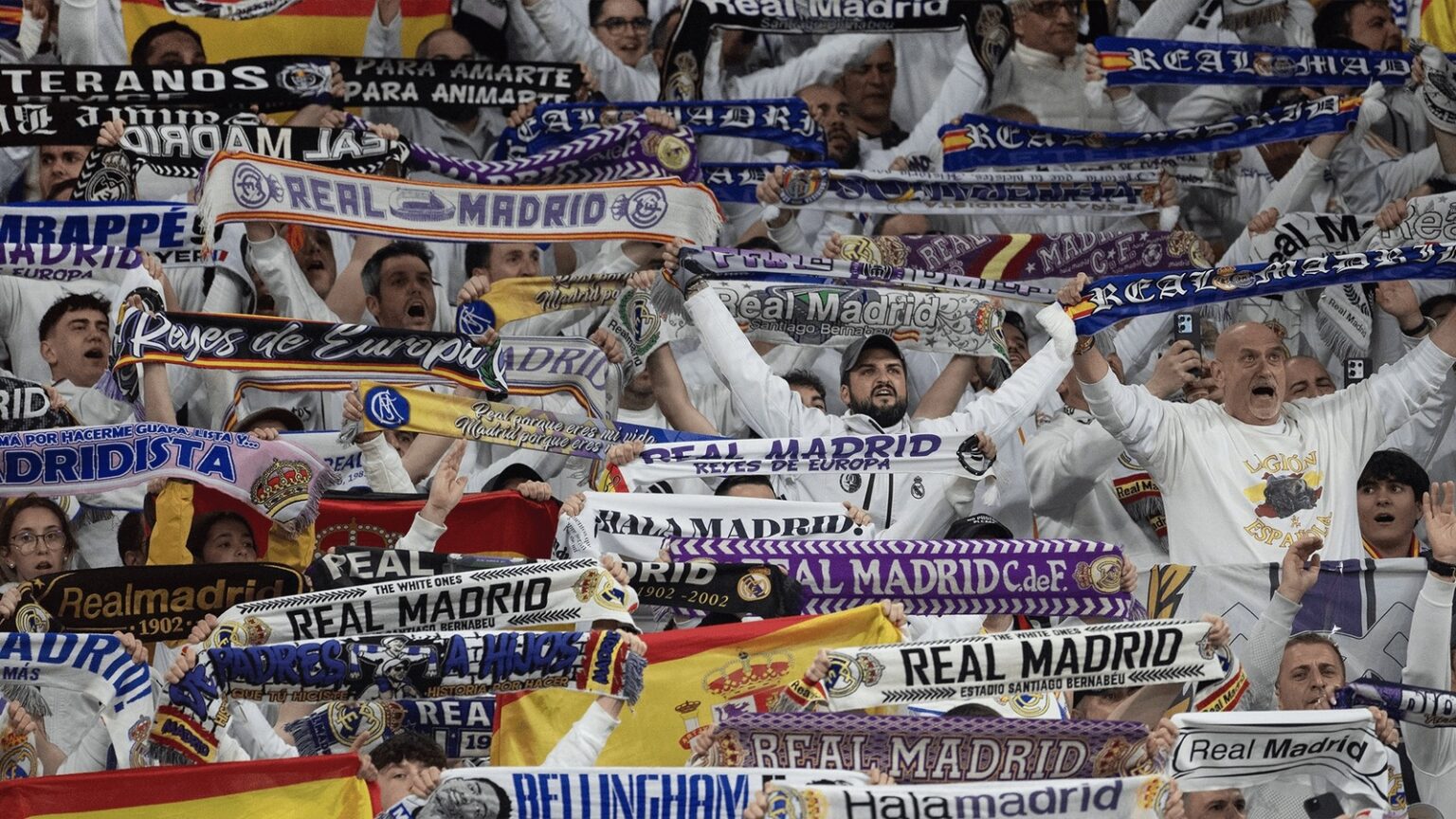
Matchday rituals begin well before fans enter the stadium. Supporters gather at cafés, family homes, and public squares to discuss lineups and predictions. Many fans wear the same jersey for every important match, believing it brings luck. Inside the stadium, rituals continue. Flags are raised at specific moments, scarves are held high during club anthems, and certain chants are reserved exclusively for kickoff. These repeated actions create a sense of continuity, linking today’s matches with memories of past victories and defeats.

The Role of Ultras and Organized Fan Groups
Organized supporter groups, often referred to as ultras, have played a major role in shaping modern stadium culture in the Gulf. These groups coordinate chants, choreograph displays, and lead crowd engagement throughout the match. Their influence has introduced structured fan culture, with planned tifos, synchronized clapping, and themed matchdays. While inspired by global fan movements, Gulf ultras adapt their approach to local values, emphasizing respect, unity, and family-friendly participation. Their presence has transformed stadiums into more immersive and emotionally charged environments.
Family, Hospitality, and Community Spirit
Unlike many football cultures that focus solely on hardcore supporters, Gulf stadium culture strongly embraces families. Parents bring children, elders attend matches, and hospitality is central to the experience. Food stalls, communal seating areas, and friendly interactions between rival fans are common. This inclusive atmosphere reflects Gulf social values, where gatherings are meant to be shared and welcoming. The stadium becomes an extension of everyday social life, a place where football connects generations rather than dividing them.
Traditional Symbols and Local Identity
Cultural symbols play a visible role in Gulf stadiums. Traditional clothing, regional flags, and heritage-inspired banners are proudly displayed. Some chants reference historical figures, local landmarks, or national values, reinforcing the connection between football and identity. Even stadium architecture contributes to this sense of place, with designs that incorporate regional motifs. These elements ensure that, despite globalization and international influences, Gulf football retains a distinct cultural character that fans deeply relate to.

Derby Days: When Emotion Peaks
Nothing captures stadium culture in the Gulf like a derby match. Local rivalries ignite intense passion, with fans arriving early to secure the best spots and prepare elaborate displays. Chants become louder, drums faster, and emotions run higher. Yet, even in rivalry, there is an underlying respect shaped by shared culture and social ties. Derby days are emotional releases, moments where pride is tested and reaffirmed, leaving lasting memories that fans recount for years.
Influence of International Tournaments and Stars
Hosting major tournaments and welcoming global football icons has further enriched stadium culture in the Gulf. Fans have learned new chants, display techniques, and engagement styles by watching international competitions. At the same time, they adapt these influences to local traditions. The presence of star players draws new supporters, including younger fans, who bring fresh energy and creativity into the stands. This blend of global exposure and local expression keeps Gulf stadium culture dynamic and evolving.
Digital Culture and the Modern Fan Experience
Social media has become an extension of the stadium. Fans record chants, share reactions, and organize support online before and after matches. Viral videos of passionate crowds have reshaped global perceptions of Gulf football atmospheres. Digital platforms also help coordinate fan activities, from banner designs to charity initiatives linked to matchdays. This online-offline connection strengthens community bonds and ensures that stadium culture continues beyond the final whistle.
Respect, Regulation, and Evolving Norms
As stadium culture grows louder and more expressive, there is also a strong emphasis on respect and safety. Clubs and authorities work closely with fan groups to maintain positive environments. Offensive behavior is discouraged, while creativity and passion are celebrated. This balance allows stadiums to remain welcoming spaces for all, preserving the family-oriented nature of Gulf football while embracing high-energy support.
The Emotional Impact of Being There
For many fans, attending a match is an emotional experience that goes beyond the scoreline. The collective chanting, the tension during crucial moments, and the shared joy or disappointment create deep emotional connections. These memories become part of personal and family stories, strengthening loyalty to clubs and the sport itself. Stadium culture in the Gulf thrives because it makes people feel seen, heard, and connected.
The Future of Stadium Culture in the Gulf
Looking ahead, stadium culture in the Gulf is set to grow even stronger. New stadiums, improved fan facilities, and expanding domestic leagues will attract broader audiences. Youth engagement programs and school initiatives are already nurturing the next generation of supporters. As traditions continue to form and evolve, Gulf stadiums will remain powerful spaces where football reflects society’s values, ambitions, and collective spirit.
Conclusion: More Than Noise, A Living Tradition
Stadium culture in the Gulf is not just about loud chants or colorful displays. It is a living tradition shaped by history, hospitality, and a deep love for football. Every chant, ritual, and shared moment contributes to a growing cultural narrative that defines how the region experiences the game. In these stadiums, football becomes a language of unity, pride, and passion, echoing far beyond the final whistle.
Do follow Gulf Magazine on Instagram.
Also Read – Saudi Pro League vs UAE Pro League: Styles Compared

