

Football in the Gulf has always been about ambition, scale, and spectacle. Over the past decade, however, a new narrative has taken center stage one that blends passion for the game with responsibility toward the planet. Sustainable stadiums and eco-friendly initiatives are no longer optional additions; they are becoming defining features of Gulf football’s future.
From desert cities transforming into global sports hubs to stadiums designed to work with nature rather than against it, the Gulf region is rewriting what modern football infrastructure can look like. These efforts are not just about reducing carbon footprints; they are about creating healthier fan experiences, smarter cities, and a legacy that extends far beyond the final whistle.
The Gulf’s Climate Challenge and Opportunity
Building and operating football stadiums in the Gulf presents unique environmental challenges. Extreme heat, high energy demands, and water scarcity have traditionally made large-scale venues resource-intensive. Yet, these same challenges have inspired innovation.
Governments and football authorities across the Gulf have embraced sustainability as a strategic priority. Rather than copying traditional stadium models, they are investing in designs tailored to regional realities structures that maximize shade, optimize airflow, and dramatically reduce energy consumption. In doing so, the Gulf has turned its harsh climate into a testing ground for some of the world’s most advanced sustainable stadium solutions.
Smart Stadium Design: Architecture With a Purpose
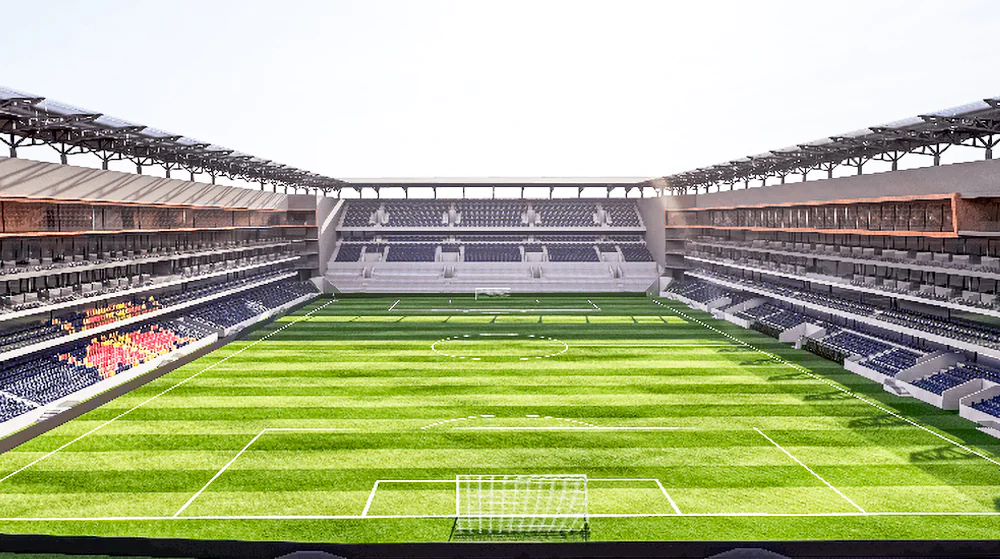
At the heart of sustainable stadiums in Gulf football lies intelligent design. Architects are focusing on form and function working together, ensuring that sustainability is embedded from the earliest planning stages.
Many stadiums are oriented to reduce direct sun exposure during peak hours, while innovative roof structures provide natural shading and insulation. Open-air concepts combined with controlled cooling zones help maintain comfort without excessive energy use. Materials are carefully selected for durability, recyclability, and thermal efficiency, reducing long-term environmental impact.
These stadiums are not just buildings; they are climate-responsive systems designed to adapt to their surroundings while delivering world-class football experiences.
Renewable Energy Powering Matchday Magic
Energy consumption is one of the biggest environmental concerns for football stadiums, particularly in hot regions. Gulf football venues are increasingly turning to renewable energy to meet this demand sustainably.
Solar panels integrated into stadium roofs, parking structures, and surrounding facilities generate clean electricity that powers lighting, cooling, and digital systems. In some cases, surplus energy is fed back into the local grid, extending the stadium’s positive impact beyond matchdays.
By harnessing abundant sunlight, Gulf stadiums are proving that large-scale sports entertainment can thrive without relying solely on fossil fuels.
Water Conservation in a Water-Scarce Region
Water management is a critical element of eco-friendly initiatives in Gulf football. Traditional stadium operations consume vast amounts of water for pitch maintenance, cooling, and sanitation. Sustainable stadiums are tackling this challenge head-on.
Advanced irrigation systems use recycled or treated water to maintain pristine playing surfaces. Low-flow fixtures and smart monitoring reduce water waste in restrooms and concession areas. Rainwater harvesting, where feasible, adds another layer of efficiency.
These measures not only conserve precious resources but also set new standards for responsible water use in large public venues across the region.
Cooling Innovations Redefining Comfort
Cooling a stadium in the Gulf heat was once considered an environmental contradiction. Today, innovative cooling technologies are changing that perception.
Instead of cooling entire open spaces, modern systems focus on targeted cooling delivering comfort directly to seating areas and players while minimizing energy loss. Sensors adjust temperatures based on occupancy and external conditions, ensuring efficiency without compromising the fan experience.
These solutions demonstrate that comfort and sustainability can coexist, even in some of the world’s hottest climates.
Waste Management and Circular Practices
Eco-friendly initiatives in Gulf football extend well beyond construction and energy use. Matchday operations are being reimagined through the lens of waste reduction and circular economy principles.
Stadiums are introducing comprehensive recycling programs, composting food waste, and reducing single-use plastics. Digital ticketing and cashless transactions cut down on paper waste, while reusable cups and eco-friendly packaging are becoming more common at concession stands.
Over time, these small but meaningful changes significantly reduce the environmental footprint of football events, setting examples for fans to follow in their daily lives.
Sustainable Transport and Fan Mobility
A truly sustainable stadium experience begins long before kickoff. Transportation to and from matches is a major contributor to emissions, and Gulf football authorities are addressing this through integrated mobility planning.
New stadiums are often linked to metro lines, bus networks, and pedestrian-friendly routes, encouraging fans to leave their cars behind. Electric vehicle charging stations and dedicated cycling paths further support greener travel choices.
By making sustainable transport convenient and accessible, Gulf football is fostering a culture of environmentally conscious fandom.
Community-Centered Sustainability
One of the most powerful aspects of sustainable stadiums in Gulf football is their role within the community. These venues are increasingly designed as multi-purpose hubs that serve people year-round, not just on matchdays.
Community sports programs, educational tours, and sustainability workshops help spread awareness and engagement. Local businesses benefit from eco-conscious development, while residents gain access to green public spaces and modern facilities.
In this way, sustainability becomes a shared value rather than a technical feature hidden behind the scenes.
Setting Global Benchmarks in Football Sustainability
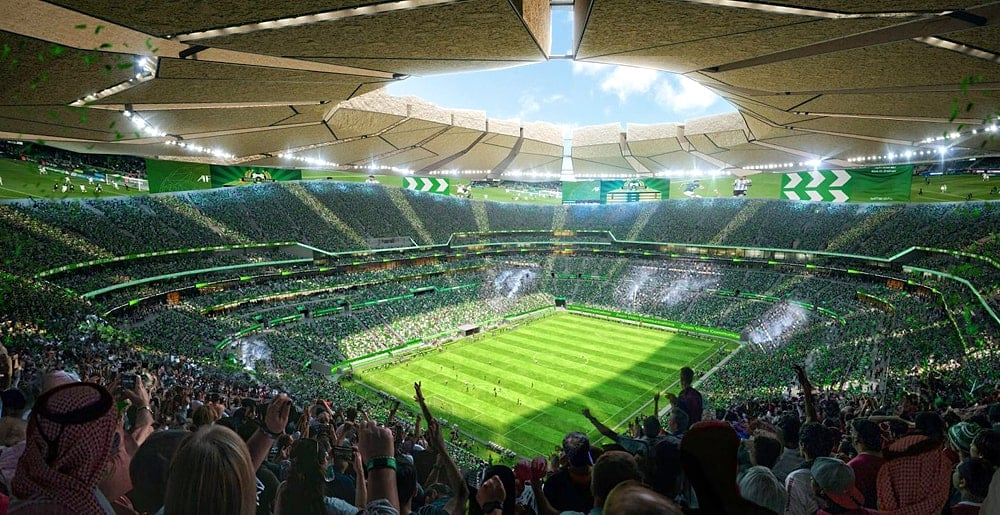
Gulf football’s commitment to eco-friendly initiatives is attracting global attention. International tournaments, continental competitions, and friendly matches hosted in the region are showcasing stadiums that combine spectacle with responsibility.
These venues challenge outdated assumptions about sustainability in hot climates and inspire other footballing nations to rethink their own infrastructure strategies. The Gulf is no longer just hosting the world it is influencing how the world builds for the future of football.
The Role of Policy and Vision
Behind every sustainable stadium is a broader vision supported by policy, investment, and long-term planning. National development strategies across the Gulf emphasize environmental responsibility alongside economic growth and global sporting relevance.
Football stadiums serve as high-visibility symbols of these ambitions. By aligning sports development with sustainability goals, Gulf nations are demonstrating that progress does not have to come at the planet’s expense.
Fans as Partners in Sustainability
Sustainable stadiums succeed best when fans are active participants. Gulf football clubs and organizers are increasingly engaging supporters through awareness campaigns, green matchday initiatives, and incentives for eco-friendly behavior.
Clear signage, interactive displays, and digital platforms help fans understand how their choices whether recycling, using public transport, or conserving water contribute to a larger impact. This human-centered approach transforms sustainability from an abstract concept into a shared matchday experience.
Looking Ahead: The Next Chapter of Gulf Football
The journey toward fully sustainable football infrastructure is ongoing. Future stadiums in the Gulf are expected to integrate artificial intelligence for energy optimization, expand renewable energy capacity, and deepen connections with smart city ecosystems.
As technology evolves and environmental expectations rise, Gulf football is well-positioned to remain at the forefront of sustainable innovation. The region’s stadiums are becoming living laboratories, continuously adapting and improving.
Conclusion: A Legacy Beyond the Game
Sustainable stadiums and eco-friendly initiatives in Gulf football represent more than architectural achievements they reflect a shift in mindset. They show that love for the game can coexist with care for the environment, and that ambition can be guided by responsibility.
As fans cheer under solar-powered lights and walk through thoughtfully designed spaces, they become part of a story that extends beyond goals and trophies. It is a story of progress, balance, and hope—one where Gulf football plays not just for today’s victory, but for tomorrow’s world.
Do follow Gulf Magazine on Instagram.
Also Read – Stadium Culture in the Gulf: Fans, Chants and Traditions

