

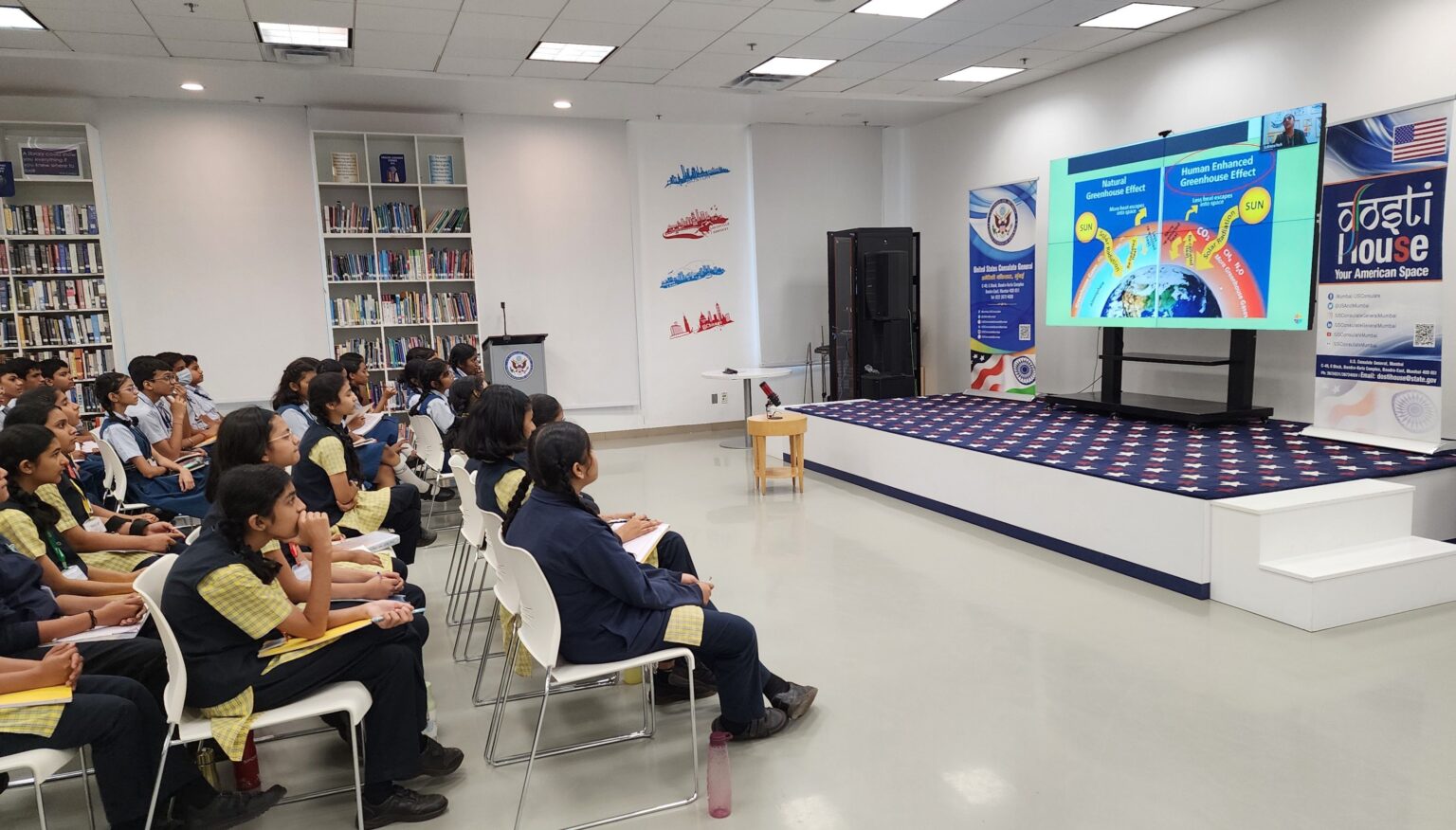
The Gulf region is a unique tapestry woven with rich traditions and a rapidly modernizing landscape. As educational systems evolve, the challenge of balancing tradition and modern learning becomes increasingly apparent. This balancing act is crucial not only for fostering a well-rounded education but also for preparing future generations to thrive in a globalized world. In this article, we will explore how the Gulf education sector is navigating the intricate relationship between time-honored customs and contemporary learning methods.
The Traditional Roots of Gulf Education
Traditionally, education in the Gulf states has revolved around Islamic teachings and cultural heritage. Schools often emphasized rote learning, where students memorized texts and recited them. This approach was rooted in the need to preserve religious and cultural values, creating a sense of identity among students.
However, as the Gulf region has become more integrated into the global economy, the limitations of this traditional educational model have become evident. While it is essential to maintain cultural identity, the need for critical thinking, creativity, and problem-solving skills in students is equally important.
The Rise of Modern Learning Approaches
In response to the demands of a changing world, many educational institutions in the Gulf are embracing modern learning approaches. These methods focus on interactive learning environments, critical thinking, and collaborative projects.
Incorporating technology into the classroom has become a pivotal aspect of this shift. Digital tools and resources enable students to access a wealth of information and engage with content in innovative ways. This modern approach prepares students not only to excel academically but also to thrive in a competitive job market.
Striking the Right Balance
Finding a balance between tradition and modern learning is no easy task. Educational leaders in the Gulf must consider the values and customs that define their societies while also preparing students for a future filled with uncertainty and rapid change.
One promising strategy is the integration of traditional values into modern curricula. This can be achieved through thematic projects that explore historical contexts while employing contemporary teaching techniques. By merging the two, educators can create a learning experience that respects cultural heritage while also fostering essential skills like critical thinking and collaboration.
The Role of Teachers in This Transition
Teachers play a crucial role in balancing tradition and modern learning. As facilitators of knowledge, they are tasked with instilling both cultural pride and a sense of global citizenship in their students.
Professional development programs focusing on innovative teaching methods can help educators navigate this balance. By equipping teachers with the tools and resources they need, they can create classrooms that honor tradition while also embracing modern learning strategies.
Case Studies of Successful Integration
Some Gulf educational institutions have successfully embraced a dual approach to education. For instance, many schools incorporate local history and literature into their lesson plans, allowing students to explore their heritage while developing modern analytical skills.
In addition, universities in the region are increasingly offering programs that combine traditional subjects with modern disciplines such as technology and entrepreneurship. This blend not only enriches the student experience but also prepares graduates to contribute effectively to an evolving workforce.
Community Involvement: A Key to Success
Community involvement is another critical factor in achieving a balance between tradition and modern learning. Engaging parents and local leaders in the education process ensures that cultural values are preserved while also welcoming new ideas.
Schools can host community events that celebrate local culture, such as art exhibitions or traditional storytelling sessions. These activities not only reinforce cultural pride but also create opportunities for students to apply modern skills in real-world contexts.
The Future of Gulf Education
Looking ahead, the future of Gulf education lies in its ability to adapt to an ever-changing landscape. As globalization continues to shape society, the need for a balanced educational approach will only become more pronounced.
By fostering an environment that embraces both tradition and modern learning, the Gulf region can produce well-rounded individuals who are not only culturally aware but also equipped to face global challenges.
The ongoing dialogue regarding educational practices will be essential in shaping policies that reflect the needs of students and society. By prioritizing collaboration between educators, communities, and policymakers, the Gulf can navigate this complex terrain successfully.
Conclusion: Embracing a Holistic Approach
Balancing tradition and modern learning in Gulf education is vital for nurturing future generations. As educational systems evolve, the integration of cultural heritage with contemporary teaching methods will pave the way for a more holistic approach to learning.
This dynamic balance can empower students to embrace their identities while also preparing them for a globalized world. By fostering critical thinking, creativity, and cultural pride, the Gulf region can ensure that its educational landscape remains vibrant and relevant for years to come.
Also Read – Modern Lifestyle Trends Shaping Urban Life in the Gulf Today
Do follow Gulf Magazine on Instagram.

