

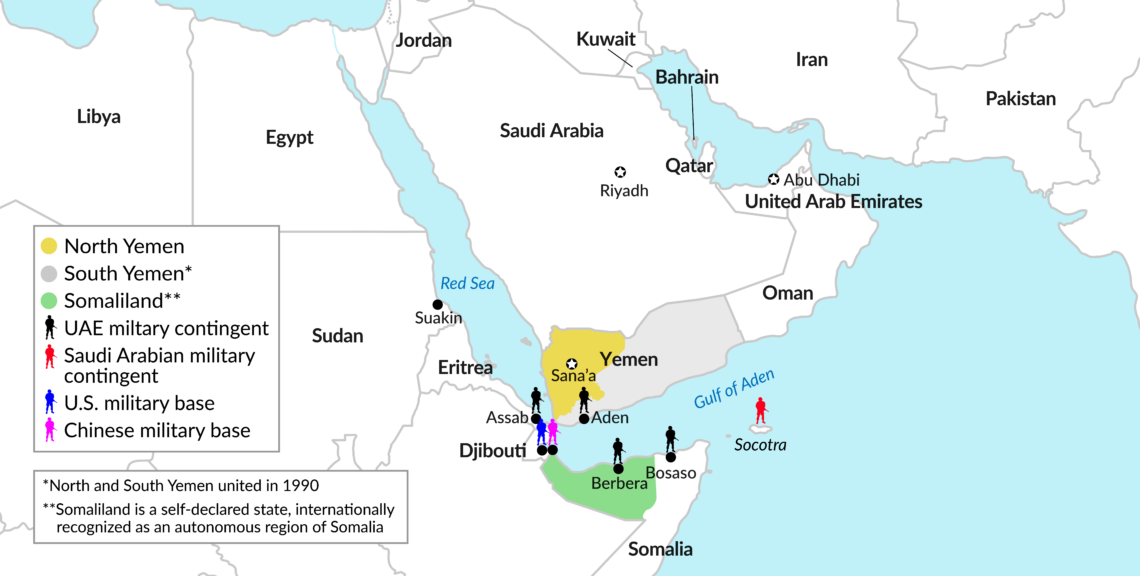
The geopolitical landscape of the Gulf region is more complex than ever, particularly when discussing Saudi Arabia–UAE geopolitical tensions relating to Yemen. This situation is not merely a political chess game; it affects millions of lives and shapes the aspirations of youth in both nations. As the two nations grapple with their respective interests in Yemen, football has emerged as a powerful medium for youth engagement and aspiration.
Understanding the Roots of Tensions
To grasp the current geopolitical tensions between Saudi Arabia and the UAE regarding Yemen, it’s crucial to delve into the historical context. These tensions can be traced back to the Arab Spring and the subsequent civil war in Yemen, which escalated in 2014.
Saudi Arabia and the UAE initially joined forces in their military intervention against the Houthi rebels, viewing them as a threat to regional stability. However, differing goals soon emerged. Saudi Arabia aimed to restore the internationally recognized government, while the UAE focused on establishing a foothold in southern Yemen, supporting separatist groups in the region. This divergence in objectives has fueled ongoing tensions, leading to military confrontations and political disagreements that continue to shape the Gulf’s geopolitical landscape.
The Youth Factor: Football as a Unifying Force
In the midst of these political tensions, football has taken center stage as a unifying force among the youth in both Saudi Arabia and the UAE. The sport is a source of national pride and provides an avenue for young people to express their aspirations, dreams, and hopes for a brighter future.
Football clubs and national teams often become symbols of unity, transcending political divides. Events such as the Gulf Cup and the Arabian Gulf League attract passionate supporters, creating a sense of community among fans from both nations. The excitement surrounding the sport encourages youth to envision a future where collaboration and camaraderie replace conflict.
The Role of Football Academies in Shaping Aspirations
Football academies in Saudi Arabia and the UAE are pivotal in nurturing young talent and instilling values of discipline, teamwork, and leadership. These institutions not only focus on athletic development but also emphasize the importance of education and personal growth.
By providing scholarships and training opportunities, these academies equip young athletes with skills that can set them on a path toward success, both on and off the pitch. The emphasis on education and character development ensures that aspiring footballers become responsible and engaged citizens, capable of contributing positively to their communities.
The Impact of Regional Rivalry on Youth Aspirations
While football serves as a bridge for youth in the Gulf, the underlying geopolitical tensions can also impact their aspirations. The rivalry between Saudi Arabia and the UAE can create a sense of division that influences young people’s perceptions of each other.

For example, media narratives often focus on competition rather than collaboration, which can shape how youth view their counterparts across borders. This perception can stifle opportunities for shared experiences and mutual understanding, ultimately hindering the potential for cooperation in areas beyond football.
Finding Common Ground Through Sports Diplomacy
In response to the challenges posed by geopolitical tensions, sports diplomacy has emerged as a viable strategy for fostering dialogue and understanding. Initiatives that promote joint sporting events and competitions can serve as a platform for cooperation.
By bringing together youth from both nations in a shared passion for football, these events can help break down barriers and build relationships. The success of joint football tournaments and friendly matches can pave the way for broader collaboration in other sectors, fostering a spirit of unity that transcends political divides.
The Future of Saudi Arabia–UAE Relations Through Football
Looking ahead, the future of Saudi Arabia–UAE relations will likely be influenced by the evolving dynamics of football in the region. As both nations continue to invest in sports infrastructure and youth programs, there is potential for football to play a pivotal role in reshaping perceptions and fostering goodwill.
Youth engagement through football not only cultivates talent but also creates pathways for friendship and cooperation. The more young people from both nations connect through shared interests, the greater the potential for a harmonious future.
Conclusion: Football as a Catalyst for Change
The Saudi Arabia–UAE geopolitical tensions relating to Yemen present a significant challenge, yet the power of football as a unifying force remains undeniable. As young people in both nations look to the future, the sport offers them a platform to dream and aspire beyond the limitations imposed by political divisions.
By harnessing the passion for football, there is hope for a future where youth can work together towards common goals. As these young athletes rise through the ranks, they hold the potential to be agents of change, fostering a more peaceful and collaborative Gulf region.
Do follow Gulf Magazine on Instagram.

