


Ramadan is a time of reflection, devotion, and togetherness, but it is also a celebration of rich traditions, particularly in the Gulf region. The heart of this celebration is the food. Traditional Gulf Ramadan cuisine embodies the flavors and aromas that connect families and honor cultural heritage. As families gather around the table to break their fast, the dishes they share tell stories of tradition, love, and community.
Discover the Flavors of Gulf Ramadan Cuisine
Gulf Ramadan cuisine is a delightful tapestry of flavors that reflects the region’s diverse cultural influences. From dates to savory stews, each dish carries significance, making the act of sharing meals during Ramadan an essential part of the celebration. The culinary traditions are not just about taste; they are a means of preserving history and fostering family bonds.
During the month of Ramadan, families often prepare traditional dishes that have been passed down through generations. The focus is on wholesome, nourishing meals that provide energy for the long days of fasting. Common ingredients include rice, lentils, and a variety of spices that enhance the flavors of the food.
The Importance of Dates in Ramadan
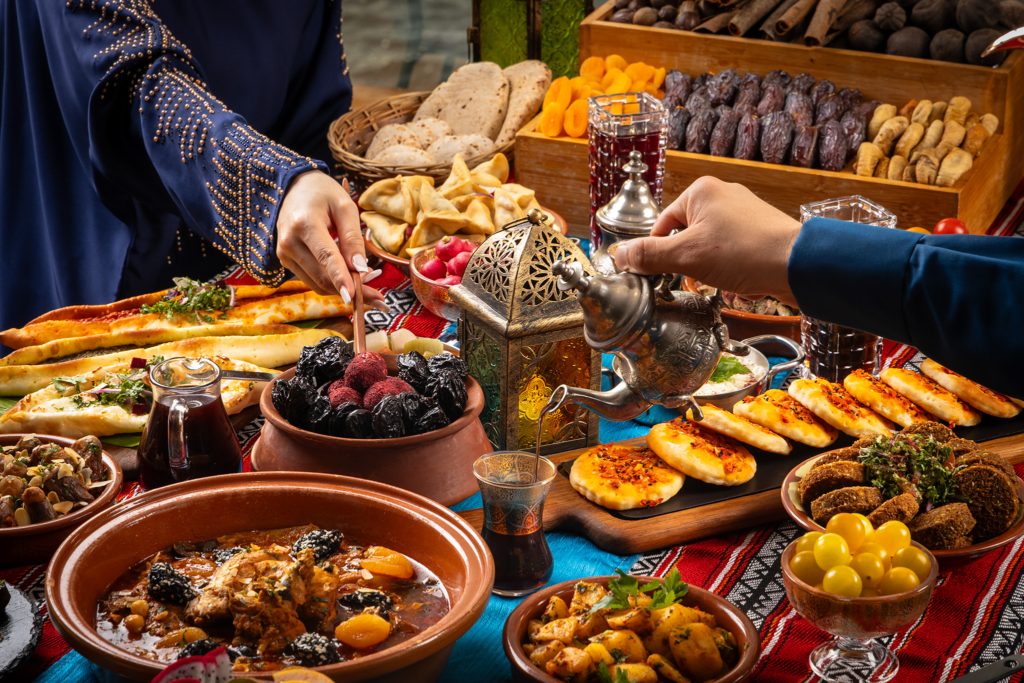
One cannot discuss Gulf Ramadan cuisine without mentioning dates. These sweet fruits hold a special place on the iftar table, often being the first food consumed to break the fast. Dates symbolize hospitality and generosity in Arab culture, making them an essential feature of Ramadan meals.
Traditionally, dates are served with fresh milk or yogurt, creating a simple yet nutritious option to replenish energy after a day of fasting. Beyond their nutritional value, dates serve as a reminder of the region’s agricultural heritage and the importance of local produce.
Signature Dishes That Define Ramadan in the Gulf
Gulf Ramadan cuisine is characterized by a variety of signature dishes that fill the tables of families during this holy month. Each dish tells a story, showcasing the unique flavors of the region. Here are some beloved traditional meals:
Samboosa: These savory pastries are filled with a variety of ingredients, from spiced meat to vegetables. Often deep-fried or baked, samboosa are a popular appetizer during iftar.
Shorbat Adas: A comforting lentil soup, shorbat adas is rich in flavor and nutrition. It is often served as a starter to warm the belly after a long day of fasting.
Machboos: This fragrant rice dish, often prepared with chicken or lamb, is spiced with saffron and cardamom. Machboos is a staple in many Gulf households and often brings the family together at mealtime.
Kunafa: For dessert, kunafa is a must-try. This sweet pastry made with thin noodle-like strands is soaked in syrup and layered with cheese or nuts, creating a delectable end to the Ramadan feast.
Family Gatherings and the Spirit of Ramadan
The essence of Ramadan is not just in the food; it is in the gatherings that take place around the dinner table. Families come together to share meals, stories, and laughter, strengthening their bonds and creating memories that last a lifetime. Traditional Gulf Ramadan cuisine plays a vital role in these gatherings, as the act of sharing food fosters a sense of community and belonging.
As families prepare meals together, they pass down culinary traditions, teaching younger generations the significance of their heritage. Each dish becomes a vessel for storytelling, connecting past and present.
The Role of Hospitality During Ramadan
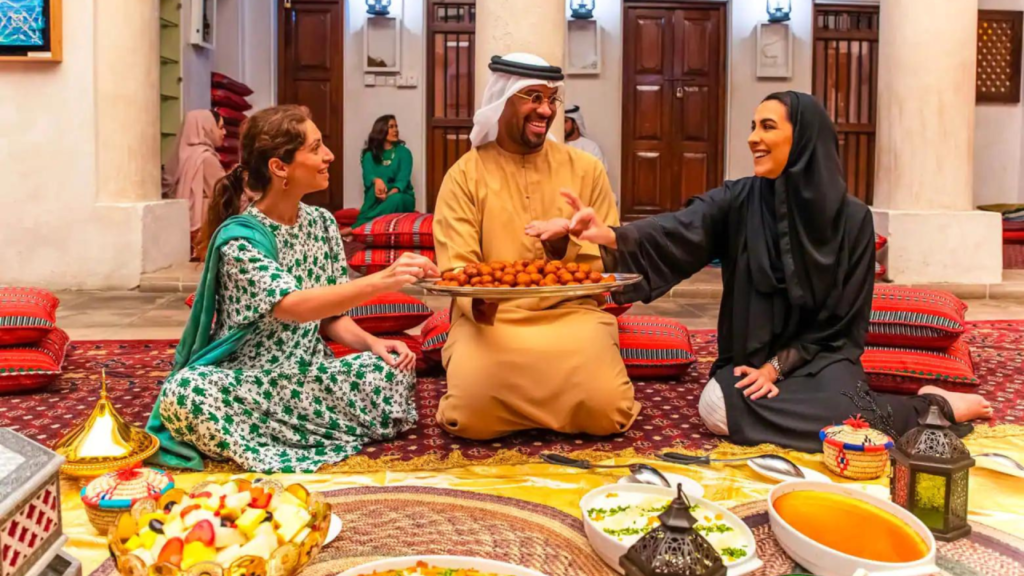
Hospitality is a cornerstone of Arab culture, and during Ramadan, this generosity is magnified. Families often invite neighbors and friends to join them for iftar, creating an atmosphere of unity and camaraderie. Traditional Gulf Ramadan cuisine is not only a means to nourish the body but also a way to strengthen relationships within the community.
Sharing meals with others enhances the spirit of Ramadan, reminding everyone of the values of compassion and togetherness. The act of breaking bread with others reinforces the importance of family bonds and highlights the joy of giving.
Preserving Culinary Heritage for Future Generations
As time moves forward, it is essential to preserve the culinary traditions that define Gulf Ramadan cuisine. Many families are actively working to keep these traditions alive by documenting recipes and sharing them with younger generations.
Culinary workshops and community events are also becoming more popular, providing opportunities for people to learn about traditional cooking methods. By engaging in these practices, families ensure that the flavors and stories of their heritage continue to thrive.
Conclusion: Embracing Tradition Through Food
Traditional Gulf Ramadan cuisine is more than just sustenance; it is a celebration of heritage and family bonds. The flavors, aromas, and stories contained within each dish create a rich tapestry that unites families and communities during this sacred month.
As the sun sets and the call to prayer rings out, families gather around the table, sharing laughter and love over a meal that connects them to their past and each other. In doing so, they honor their traditions and create lasting memories that will be cherished for generations to come.
Do follow Gulf Magazine on Instagram.
Also Read – Traditional Gulf Dishes That Shape Ramadan Food Culture

