


Ramadan is a month of spiritual reflection, community bonding, and culinary delights in the Gulf region. Among the many traditions that fill the air with excitement, the iconic foods of Ramadan, particularly Luqaimaat and Ghabga, hold a special place in the hearts and homes of families. These dishes embody not only the flavors of the region but also the spirit of togetherness that characterizes this holy month. Let’s explore these beloved foods and uncover the stories behind them.
The Sweet Temptation of Luqaimaat
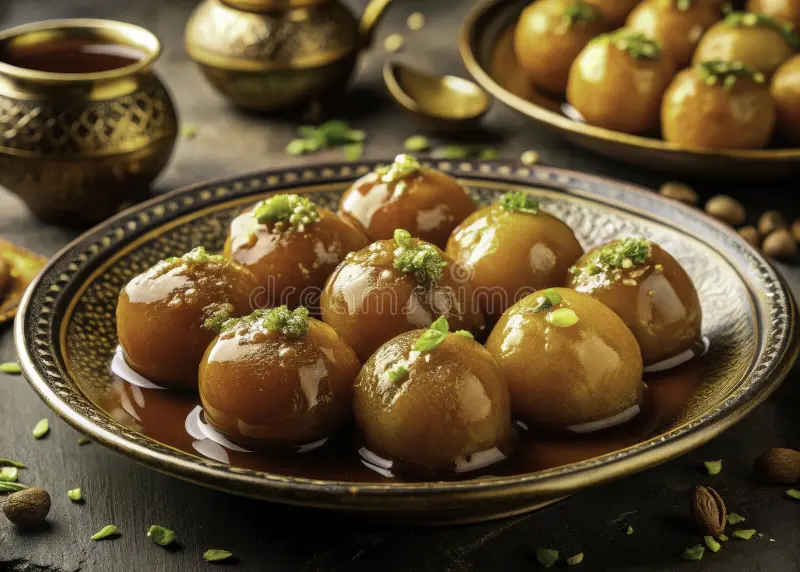
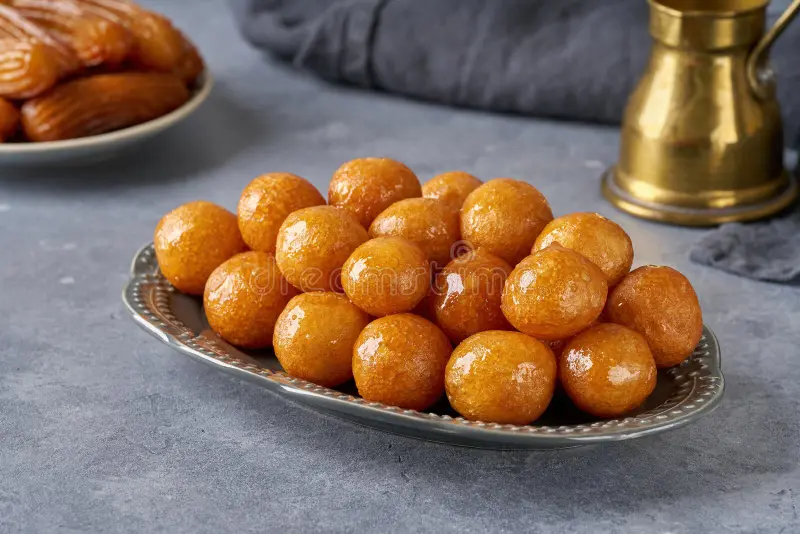
Luqaimaat, often referred to as “sweet dumplings,” are a must-try during Ramadan. These golden, crispy balls of dough are typically drenched in syrup, making them a delightful treat that perfectly complements the evening iftar meal. The preparation of Luqaimaat is both an art and a tradition, often passed down through generations.
The dough is made from a simple combination of flour, yeast, and a hint of saffron, which gives it a unique flavor and color. Once fried to a beautiful golden brown, the dumplings are soaked in date syrup or honey, enhancing their sweetness. Families often gather to make Luqaimaat together, turning the cooking process into a fun and cherished activity.
The Cultural Significance of Luqaimaat
Beyond their delicious taste, Luqaimaat symbolize the joy of sharing and community. During Ramadan, it is common for families to invite friends and neighbors over to break their fast together, and Luqaimaat often feature prominently on the table. The act of sharing these sweet dumplings fosters a sense of unity and belonging, reinforcing the spiritual essence of the month.
The dish has also evolved, with modern variations incorporating flavors like cardamom or coconut, showcasing the creativity of chefs and home cooks alike. Regardless of the twist, Luqaimaat remain an undeniable favorite, drawing people together in celebration.
Ghabga: The Ultimate Ramadan Feast
Another culinary star of Ramadan is Ghabga, a savory dish that captures the essence of Gulf hospitality. Traditionally served during the late-night hours, Ghabga is more than just a meal; it’s an experience that brings families and friends together after a long day of fasting.
Ghabga varies widely across the Gulf states, with each region adding its unique flair. The dish typically includes tender meat, such as lamb or chicken, stewed with an array of spices, vegetables, and sometimes even rice or noodles. It’s a hearty and comforting meal that nourishes both the body and soul.
The Ritual of Ghabga Sharing
The preparation of Ghabga is often a communal effort, where family members come together to cook, chat, and celebrate. This gathering around food enhances the bonds among loved ones, making it a pivotal moment during Ramadan. Many families have their own secret recipes for Ghabga, passed down through generations, adding a personal touch to the dish.
Serving Ghabga also reflects the Gulf traditions of hospitality. It’s not uncommon for families to invite guests over to share this delicious meal, exemplifying the spirit of generosity that is central to Ramadan. The aroma of spices wafting through the air as Ghabga simmers on the stove evokes a sense of warmth that fills homes with joy.
The Role of Food in Ramadan Traditions
Food during Ramadan transcends mere sustenance; it plays a vital role in cultural practices and family traditions. The meals enjoyed during this holy month often symbolize gratitude and reflection. Each dish, from Luqaimaat to Ghabga, tells a story of heritage, love, and community.
The act of breaking the fast with dates and water, followed by a lavish spread of food, is a cherished tradition that marks the beginning of iftar. This meal is not just about feeding the body, but also about nourishing the spirit, as families take the time to appreciate their blessings.
Embracing Modern Influences
While traditional dishes remain at the heart of Ramadan celebrations, modern influences have also begun to shape the culinary landscape. Chefs and home cooks alike are experimenting with fusion recipes, combining Gulf flavors with international cuisines. This evolution reflects the dynamic nature of food culture in the Gulf region, while still honoring cherished traditions.
Despite these changes, the core values of sharing and togetherness continue to resonate. Whether enjoyed in a lavish feast or a simple gathering, the iconic foods of Ramadan, such as Luqaimaat and Ghabga, remain central to the experience of the month.
Conclusion: Celebrating Tradition Through Food
From Luqaimaat to Ghabga, the iconic foods of Ramadan not only tantalize the taste buds but also bring people together. These dishes are steeped in tradition, embodying the values of community and generosity that define this holy month. As families continue to create, share, and cherish these culinary delights, they keep the spirit of Ramadan alive, weaving a tapestry of flavors and memories that will last for generations.
As you gather around the table this Ramadan, remember the significance of the meals you share and the bonds you strengthen. Embrace the warmth of tradition, and let the iconic foods of the Gulf region, like Luqaimaat and Ghabga, enrich your celebrations.
Do follow Gulf Magazine on Instagram.
Also Read – Ramadan in the Gulf: Exploring Traditional Cuisine & Flavors

