

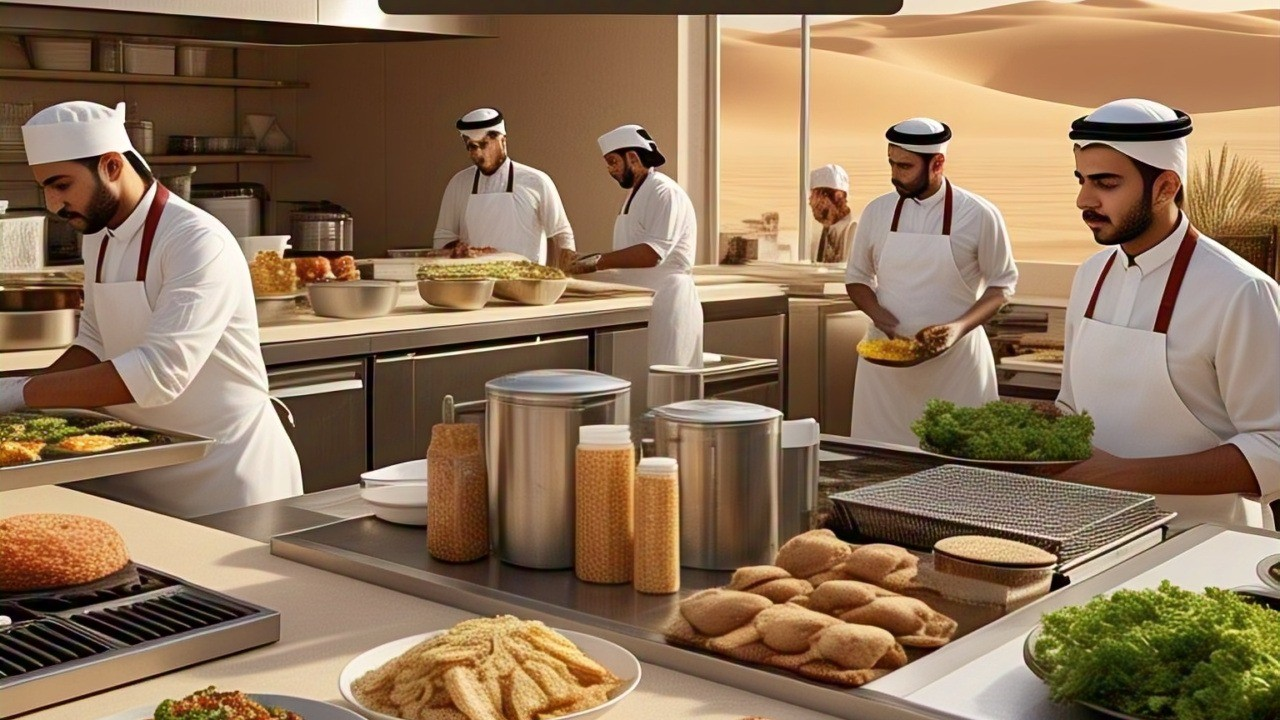
In recent years, Kuwait has experienced a remarkable transformation in its culinary landscape, particularly with the rise of food delivery services and cloud kitchens. This surge reflects not just a shift in consumer preferences but also an adaptation to modern lifestyles. The convenience of having meals delivered right to one’s doorstep has become a staple for many, creating a thriving ecosystem for food entrepreneurs and a diverse array of cuisine options for residents.
The Rise of Food Delivery in Kuwait
The growth of food delivery services in Kuwait can be attributed to several factors. Urbanization and busy lifestyles have increasingly led consumers to seek quick and convenient dining options. As more people juggle work, family, and social commitments, the demand for food delivery has soared.
Additionally, the COVID-19 pandemic acted as a significant catalyst. With restaurants forced to close their dining areas, many turned to delivery services to survive. This shift not only sustained existing businesses but also encouraged new entrants into the market, further enriching the variety of available cuisines.
The convenience of ordering via apps has also played a crucial role in this evolution. The user-friendly interfaces and promotional offers provided by delivery platforms have made them a go-to choice for many, allowing customers to explore a wide range of options from local eateries and international chains alike.

Cloud Kitchens: A Game Changer in Kuwait’s Food Scene
Alongside the rise of food delivery, cloud kitchens have emerged as a revolutionary concept in Kuwait. These kitchens, also known as ghost kitchens or virtual kitchens, operate without a traditional storefront, focusing solely on food preparation for delivery.
Cloud kitchens capitalize on the growing demand for delivery by reducing overhead costs associated with maintaining a physical restaurant. This model allows chefs and entrepreneurs to experiment with new menus, cater to niche markets, and reach customers more efficiently.
In Kuwait, the proliferation of cloud kitchens has led to a diverse culinary scene. Consumers can now enjoy everything from gourmet meals to street food, all from the comfort of their homes. This flexibility not only benefits customers but also provides aspiring chefs with a platform to launch their culinary ventures without the hefty investment of a brick-and-mortar restaurant.
The Impact of Technology on Food Delivery
Technology has been a driving force behind the surge in food delivery and cloud kitchens in Kuwait. With the development of sophisticated mobile applications and online ordering systems, consumers can easily browse menus, place orders, and track deliveries in real-time.
Additionally, advancements in logistics and delivery services have improved efficiency. Companies are utilizing data analytics to optimize delivery routes, reduce wait times, and enhance the overall customer experience. This seamless integration of technology not only makes food delivery more appealing but also raises expectations for quality and speed.
The Cultural Shift Towards Convenience
The cultural landscape in Kuwait is also shifting towards a greater appreciation for convenience and variety. The busy lifestyle of urban dwellers has led to a greater acceptance of food delivery as a legitimate dining option. Families are increasingly turning to delivery services for weeknight dinners, while young professionals rely on them for quick lunches during work hours.
As international cuisine becomes more accessible, the culinary preferences of Kuwaitis have expanded. Consumers are now more adventurous, eager to try new flavors and dishes from diverse cultures. This shift in dining habits has further fueled the growth of food delivery and cloud kitchens, as these platforms offer an extensive range of international and local dishes.

Challenges and Opportunities in the Market
While the surge in food delivery and cloud kitchens presents numerous opportunities, it also comes with challenges. Competition is fierce, with numerous players vying for market share. To stand out, businesses must focus on quality, customer service, and unique offerings.
Additionally, maintaining food safety and quality during delivery is paramount. Restaurants and cloud kitchens must adhere to strict hygiene standards to ensure customer satisfaction and compliance with health regulations.
Sustainability is another critical consideration in the food delivery sector. As environmental concerns grow, there is increasing pressure on businesses to adopt eco-friendly practices, such as reducing packaging waste and sourcing ingredients responsibly.
The Future of Food Delivery and Cloud Kitchens in Kuwait
Looking ahead, the future of food delivery and cloud kitchens in Kuwait appears bright. As consumer preferences continue to evolve, businesses that can adapt and innovate will thrive. The integration of technology will likely deepen, with advancements in artificial intelligence and machine learning enhancing customer experiences and operational efficiencies.
Moreover, as the local culinary scene expands to include more innovative dishes and concepts, cloud kitchens will play a vital role in supporting this growth. With fewer barriers to entry, the market is set to become increasingly dynamic, offering consumers even more diverse dining options.
Conclusion: A Culinary Revolution in Kuwait
In conclusion, Kuwait is witnessing a significant surge in food delivery and cloud kitchens, reshaping its culinary landscape. The combination of busy lifestyles, technological advancements, and a cultural shift towards convenience has created a thriving environment for food entrepreneurs. As the market continues to evolve, residents can look forward to an even richer tapestry of flavors and dining experiences.
Do follow Gulf Magazine on Instagram.
Also Read – Saudi Arabia Restaurant Menu Transparency Rules Enforced

