

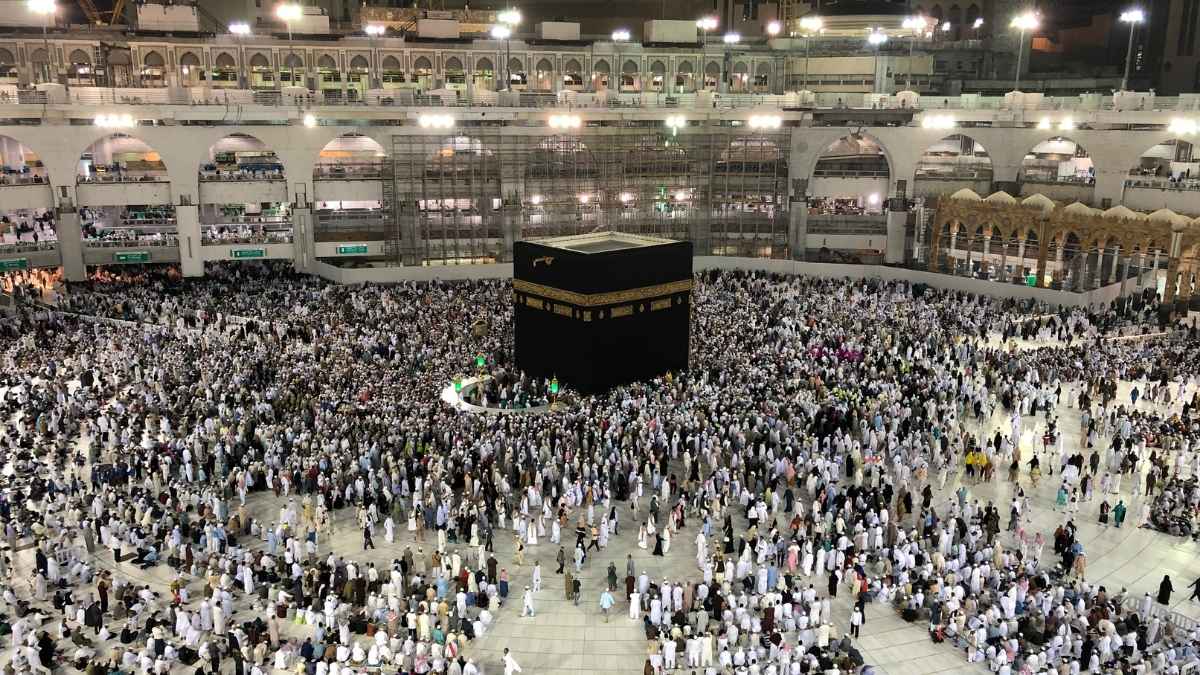
As Ramadan approaches in 2026, Saudi Arabia is taking significant measures to ensure the spiritual sanctity and safety of worshippers in mosques across the kingdom. The Saudi government has set strict rules for mosques during this holy month, aiming to enhance the experience of millions of Muslims who gather to pray and reflect. These regulations are designed not only to maintain order but also to foster a sense of community and devotion.
Understanding the Importance of Ramadan in Saudi Arabia
Ramadan is a month of fasting, prayer, and reflection for Muslims around the world. In Saudi Arabia, it holds a particularly esteemed place in the hearts of its citizens. The kingdom is home to the two holiest mosques in Islam—Al-Masjid al-Haram in Mecca and Al-Masjid an-Nabawi in Medina—making it a focal point for religious devotion during this time. The strict rules set for mosques during Ramadan 2026 underscore the commitment to maintaining a serene and respectful environment for worship.
Key Regulations for Mosques During Ramadan 2026
The new regulations being introduced for mosques during Ramadan 2026 reflect a proactive approach to managing the increased influx of worshippers. Here are some of the most notable rules that will be implemented:
One of the foremost regulations will involve capacity limits within mosques to ensure that social distancing is observed. This measure aims to protect worshippers’ health and well-being, allowing them to participate in congregational prayers without feeling overcrowded.
Additionally, mosques will be required to implement enhanced sanitation protocols. This includes regular cleaning and disinfection of prayer areas, restrooms, and communal spaces. Hand sanitizers will be strategically placed at entrances and exits to encourage good hygiene practices among attendees.
Another significant rule is the prohibition of food and drink within mosque premises. While Iftar meals are an important part of Ramadan, this regulation aims to minimize distractions during prayers and maintain the mosques’ sanctity.
Furthermore, the use of technology will be emphasized to facilitate worship. Many mosques will adopt digital platforms for live-streaming prayers, allowing those who cannot attend in person to participate remotely. This approach not only caters to health concerns but also expands access to spiritual experiences during Ramadan.
The Role of Community Engagement
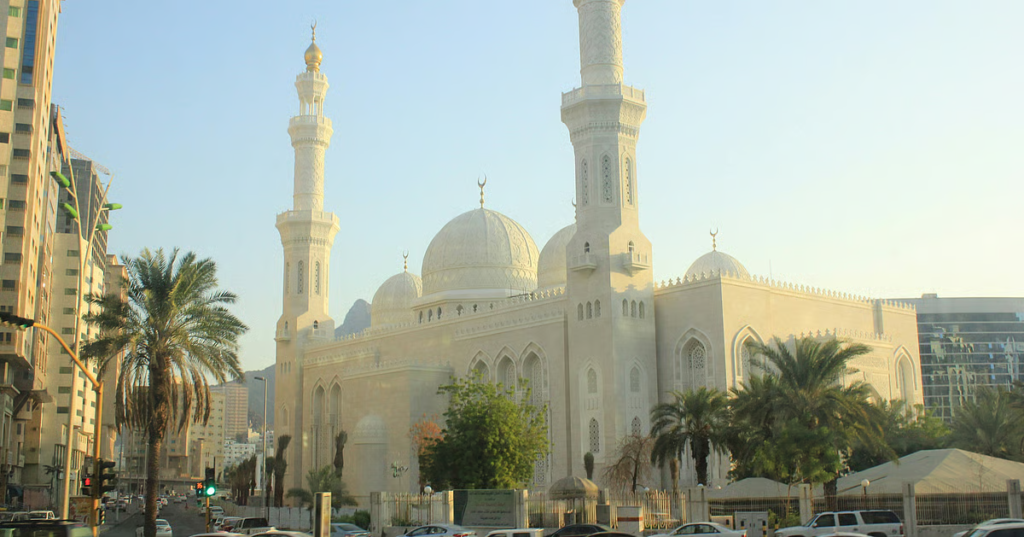
Community engagement will play a vital role in the successful implementation of these strict rules for mosques during Ramadan 2026. Religious leaders and mosque administrators are encouraged to communicate effectively with their congregations about the new regulations. Hosting informational sessions to explain the rationale behind these rules can foster understanding and cooperation among worshippers.
Moreover, community volunteers will be instrumental in ensuring compliance with the new guidelines. They can assist in monitoring capacity limits, distributing hand sanitizers, and providing support to those who may have questions about the rules. This collaborative effort will strengthen the bonds within the community and enhance the overall Ramadan experience for everyone involved.
Emphasizing the Spiritual Significance
While the regulations may seem strict, they are ultimately rooted in the desire to enhance the spiritual experience during Ramadan. By creating an environment that prioritizes health and hygiene, Saudi Arabia aims to ensure that worshippers can focus on their prayers and reflections without unnecessary distractions.
The new rules will also help to instill a sense of discipline among worshippers. Following these guidelines allows individuals to engage more deeply with their faith, as they are reminded of the importance of respect and devotion in a communal setting. In essence, these regulations serve as a framework for creating a meaningful and enriching Ramadan experience.
Conclusion: A Holistic Approach to Ramadan 2026
As Saudi Arabia sets strict rules for mosques during Ramadan 2026, it is evident that the kingdom is taking a holistic approach to worship and community. These regulations are not merely restrictions; they are measures aimed at enhancing the spiritual atmosphere and ensuring the health and safety of all worshippers.
In a time when communal gatherings can pose challenges, Saudi Arabia’s proactive stance reflects a deep commitment to fostering a meaningful Ramadan experience. By prioritizing the well-being of its citizens, the kingdom is paving the way for a month that is as spiritually fulfilling as it is safe.
Do follow Gulf Magazine on Instagram.
Also Read – Saudi Arabia Stocks Higher at Close Tadawul All Share Rises

