

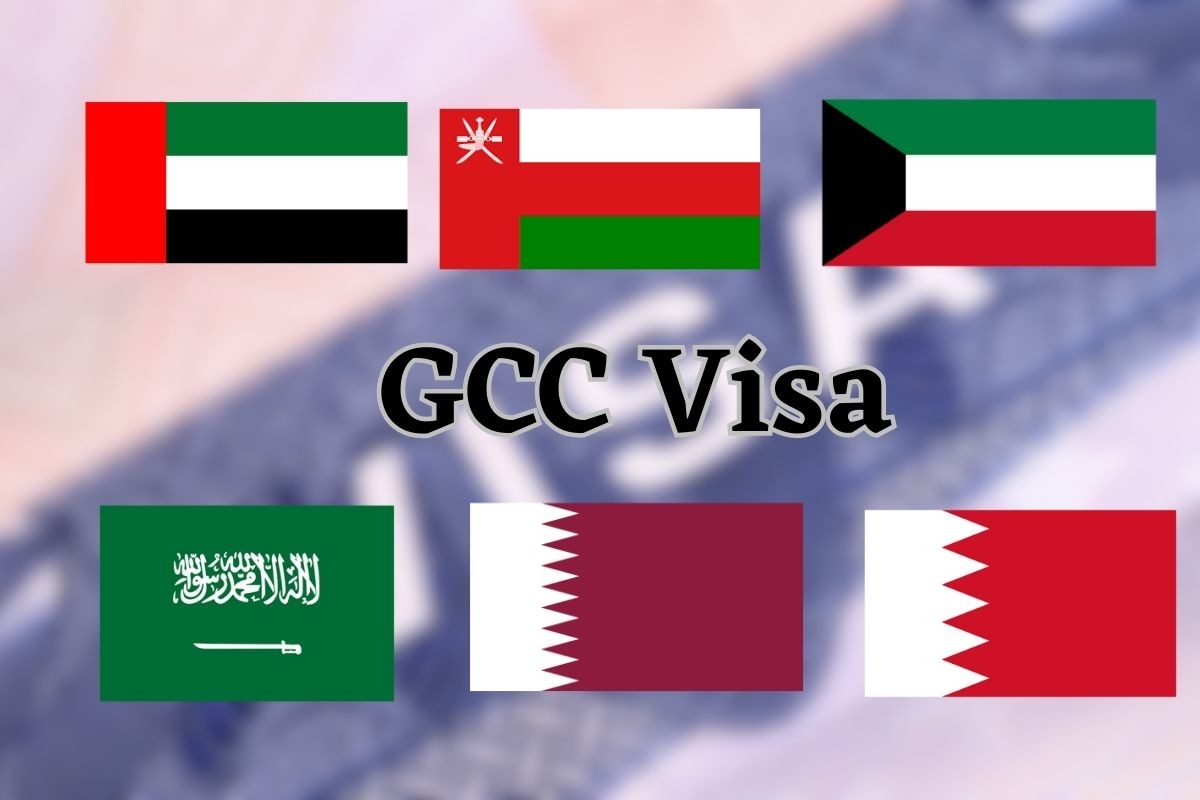
The future of tourism in the Gulf Cooperation Council (GCC) is on the brink of transformation as countries within the region align their efforts to enhance travel experiences. With the 27th Arabian Gulf Cup set to take place in Saudi Arabia in 2026, GCC tourism integration plans have adjusted their timeline to ensure that the necessary systems are ready for this significant event. This article delves into how these adjustments will impact tourism across the GCC, the strategic importance of integration, and what travelers can expect in the coming years.
Understanding GCC Tourism Integration
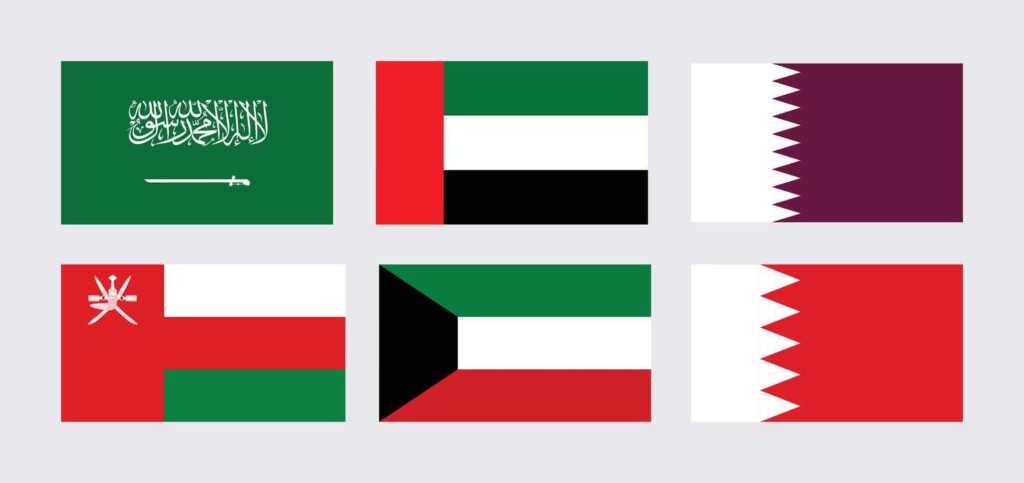
The GCC, comprising Bahrain, Kuwait, Oman, Qatar, Saudi Arabia, and the United Arab Emirates, has recognized the potential of a unified tourism strategy. The goal is to create a seamless travel experience that caters to both regional and international visitors. This integration involves harmonizing visa policies, standardizing services, and enhancing infrastructure to make travel easier and more appealing.
As the region prepares for major events like the Arabian Gulf Cup, it’s critical that these plans align with the timing of such high-profile gatherings. Adjusting timelines for system readiness allows for a more robust framework that can support the influx of tourists and ensure their experiences are memorable.
The Significance of the Timeline Adjustment
Adjusting the timeline for the GCC tourism integration plans is not merely an administrative task; it is a strategic move that has several implications:
Enhancing Visitor Experience
With the upcoming Arabian Gulf Cup, the GCC aims to enhance the visitor experience significantly. By ensuring that the necessary systems are in place, tourists will benefit from simplified travel processes, including easier access to accommodations, attractions, and transport.
Boosting Economic Growth
Tourism is a major economic driver for many GCC nations. By aligning integration plans with the timeline of significant events, countries can maximize their economic benefits. Increased tourist arrivals during events can lead to higher spending, job creation, and a boost in local businesses.
Strengthening Regional Collaboration
The adjustment of timelines reflects a commitment to regional collaboration. By working together, GCC countries can present a united front in attracting tourists, promoting cultural exchange, and showcasing the rich heritage of the region.
Key Components of the Integration Plans
To ensure that the tourism integration plans are successful, several key components are being prioritized:
Visa Streamlining
One of the most critical aspects of tourism integration is the streamlining of visa processes. By adopting a unified visa policy that allows for easier access across member countries, travelers can move freely, encouraging exploration of the diverse cultures and landscapes within the GCC.
Infrastructure Development
Investments in infrastructure are paramount. This includes upgrading airports, enhancing public transport systems, and ensuring that tourist attractions are equipped to handle increased visitor numbers. Improved infrastructure not only facilitates better travel but also enhances the overall experience for tourists.
Digital Solutions
In an increasingly digital world, integrating technological solutions is vital. From mobile apps that provide real-time information to online booking systems that offer seamless transactions, technology plays a crucial role in modernizing the tourism experience.

Anticipating Changes in the Tourism Landscape
As the GCC tourism integration plans progress, several changes can be anticipated in the tourism landscape:
Increased International Interest
With a well-coordinated approach, the region is likely to see a surge in international interest. Travelers are always looking for new experiences, and the GCC’s unique blend of modernity and tradition will become increasingly appealing.
Greater Cultural Exchange
The integration plans are not just about logistics; they are about fostering cultural exchange. As tourists explore different countries within the GCC, they will have the opportunity to engage with various cultures, traditions, and cuisines, enriching their travel experience.
More Sustainable Practices
Sustainability is a growing concern in tourism. The GCC countries are increasingly recognizing the importance of sustainable practices in attracting eco-conscious travelers. By integrating sustainability into their tourism strategies, they can appeal to a broader audience.
Conclusion: A Bright Future for GCC Tourism
The adjustments to the GCC tourism integration plans signify a proactive approach to enhancing the travel experience across the region. With the 27th Arabian Gulf Cup on the horizon, the focus on system readiness is crucial for ensuring a successful influx of tourists. By streamlining processes, investing in infrastructure, and fostering regional collaboration, the GCC is poised to become a premier travel destination. As these plans unfold, travelers can look forward to a more seamless, enriching experience in the Gulf region.
Do follow Gulf Magazine on Instagram.
Also Read – Saudi Arabia Expands Housing Options for Foreign Buyers

