

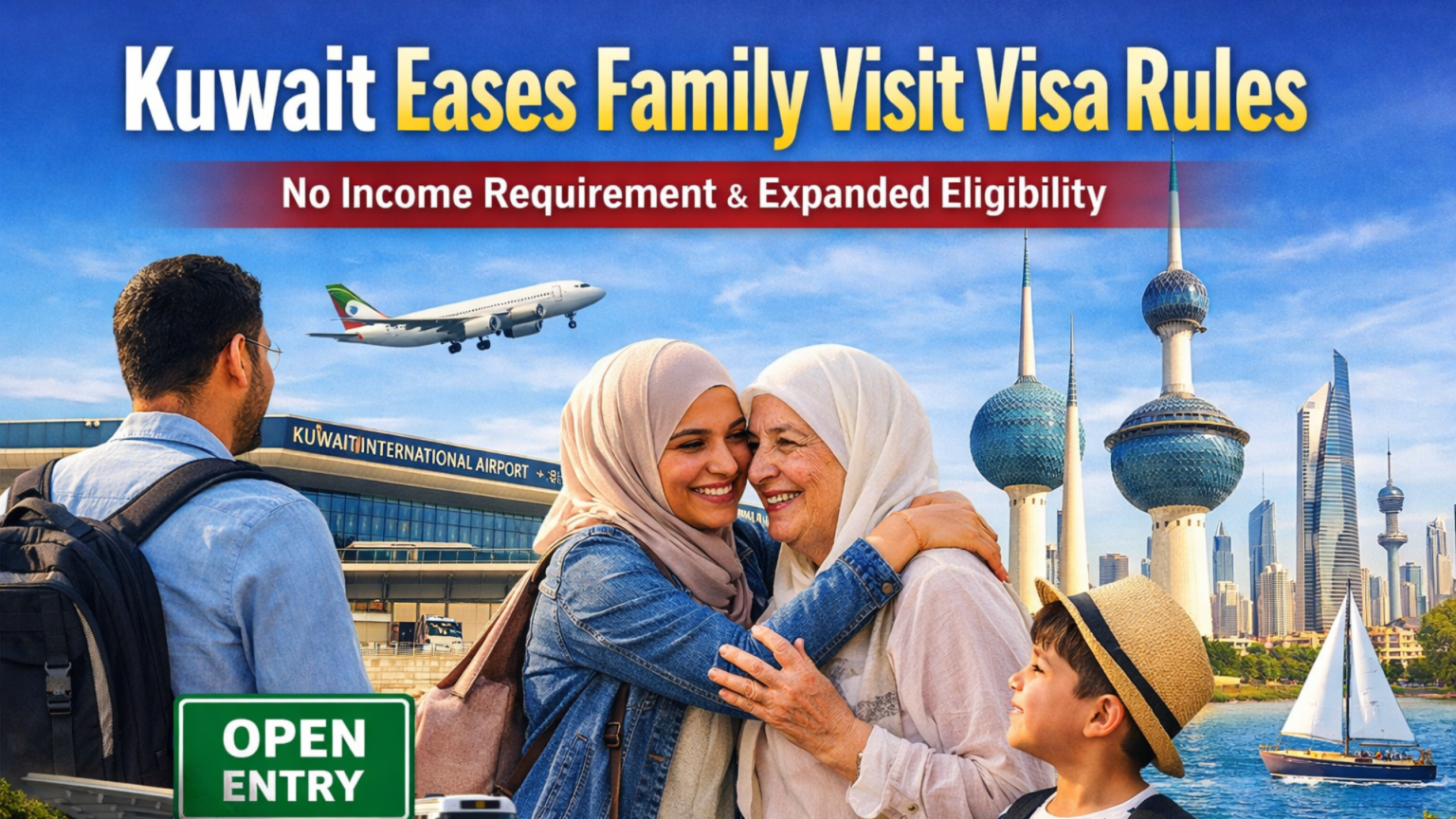
Kuwait is making significant strides in reshaping its labor market, especially regarding expatriate travel. With a growing focus on attracting and retaining talented foreign workers, the government is implementing reforms that aim to ease the process for expatriates seeking employment in the country. This shift comes at a pivotal moment, as Kuwait seeks to diversify its economy and enhance its workforce.
Understanding the Context of Labor Market Reforms
The labor market in Kuwait has long been characterized by a high percentage of expatriates. With foreign workers comprising approximately 70% of the workforce, the government recognizes the need for policies that can streamline their entry and ensure a balanced labor market. Recent labor market reforms are aimed at modernizing the employment landscape, which includes easing travel restrictions for expatriates.
Historically, expatriate travel to Kuwait has been fraught with bureaucratic challenges. Lengthy visa processes, complicated documentation, and restrictions on work permits often deterred potential candidates. However, the recent reforms signal a shift towards a more open and welcoming environment for foreign workers.
Key Changes in Expatriate Travel Policies
Several key changes have been introduced to facilitate easier travel for expatriates. These changes reflect Kuwait’s commitment to enhancing its labor market and attracting skilled workers from around the globe.
One of the most notable reforms is the simplification of the visa application process. The government has reduced the paperwork required for expatriates, allowing for quicker processing times. This is particularly beneficial for skilled professionals and workers in high-demand sectors, who can now secure employment in a more efficient manner.
Additionally, the introduction of new visa categories specifically tailored to skilled expatriates is a game-changer. These visas are designed to attract individuals with expertise in various fields, such as technology, healthcare, and engineering. By making it easier for qualified workers to travel and work in Kuwait, the government aims to bolster its economy and fill critical skill gaps.
The Economic Impact of Easing Expatriate Travel
Kuwait’s decision to ease expatriate travel comes with a host of potential economic benefits. By attracting skilled professionals, the country can enhance its competitive edge in various industries. This influx of talent can lead to increased innovation, higher productivity, and improved service delivery across sectors.
Moreover, easing travel restrictions can help Kuwait diversify its economy, which has traditionally relied heavily on oil exports. With a more diverse workforce, the country can foster growth in emerging sectors, such as information technology, renewable energy, and finance. This diversification is crucial for long-term economic sustainability.
The reforms also align with Kuwait’s Vision 2035, which aims to transform the country into a financial and trade hub in the region. By making it easier for expatriates to enter the labor market, Kuwait is taking significant steps toward achieving these ambitious goals.
Challenges Ahead for Expatriate Workers
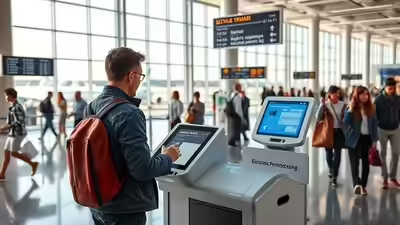
While the reforms represent a positive shift, challenges remain for expatriate workers in Kuwait. Despite the easing of travel restrictions, issues such as job security, cultural integration, and workplace rights continue to pose concerns for many foreign nationals.
Job security is a significant factor, particularly for those in temporary positions or on contract work. Many expatriates fear the instability that can accompany changes in government policies or economic downturns. Addressing these concerns will be essential for Kuwait to fully realize the benefits of its labor market reforms.
Cultural integration is another challenge that expatriates often face. As Kuwait seeks to attract a diverse workforce, ensuring that expatriates feel welcomed and supported within the community is crucial. This can be addressed through initiatives that promote cultural exchange and understanding.
The Future of Expatriate Travel in Kuwait
The future of expatriate travel in Kuwait looks promising, thanks to the ongoing labor market reforms. As the government continues to refine its policies, there is potential for further improvements in the expatriate experience. Enhanced support systems, including resources for integration and guidance on navigating the job market, will play a vital role in this process.
Moreover, as Kuwait positions itself as a regional hub for skilled labor, ongoing dialogue between the government, employers, and expatriates will be essential. This collaborative approach can ensure that the needs of all stakeholders are met, creating a balanced and thriving labor market.
Conclusion: Embracing a New Era for Expatriates
Kuwait’s decision to ease expatriate travel amid labor market reforms marks a pivotal moment in the country’s development. By simplifying processes and attracting skilled professionals, Kuwait is laying the groundwork for a more vibrant and diversified economy. While challenges remain, the ongoing reforms signal a commitment to creating a welcoming environment for expatriates, fostering growth, innovation, and collaboration.
As Kuwait continues to evolve, expatriates will play a crucial role in shaping the future of the labor market. With the right support and policies in place, the nation can embrace a new era of opportunity for both expatriates and local citizens alike.
Do follow Gulf Magazine on Instagram.
Also Read – GCC Tourism Authorities Extend Planning Horizon for Growth

