

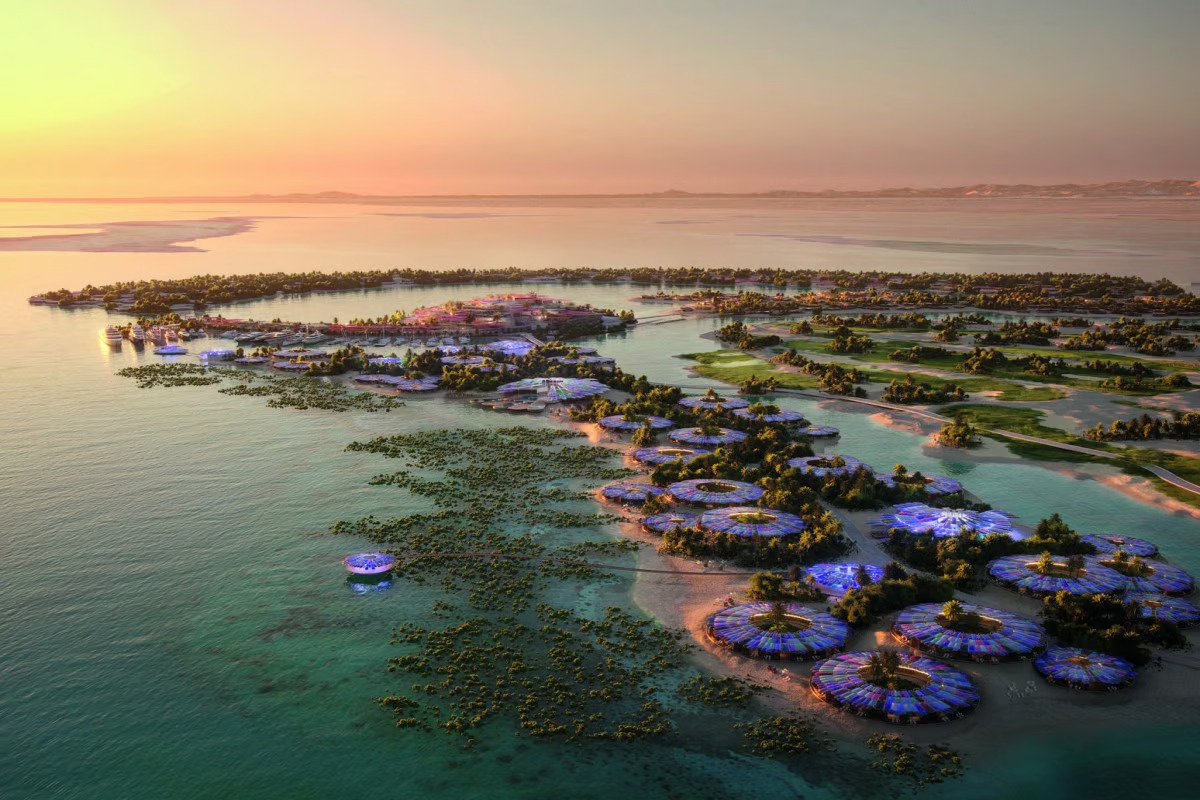
In a significant move to bolster tourism across the Gulf Cooperation Council (GCC) region, tourism authorities have announced an extended planning horizon. This initiative aims to enhance the region’s appeal as a premier travel destination, especially with the upcoming 27th Arabian Gulf Cup set to take place in Saudi Arabia in 2026. As nations within the GCC collaborate, the focus shifts toward creating a sustainable and innovative tourism landscape that not only promotes economic growth but also celebrates the rich cultural heritage of the region.
Understanding the Extended Planning Horizon
The concept of an extended planning horizon entails a proactive approach to tourism development. By looking further into the future, GCC tourism authorities intend to create long-term strategies that allow for comprehensive development and seamless integration of tourism initiatives. This means not just planning for the immediate future but also anticipating future trends and challenges that may arise in the tourism sector.
The extended planning horizon emphasizes the importance of strategic collaborations among GCC member states. By sharing resources, insights, and best practices, these nations are poised to create a more cohesive and attractive tourism offering that draws visitors from around the world.
The Significance of the Arabian Gulf Cup
The Arabian Gulf Cup is a pivotal event in the region, drawing sports enthusiasts and tourists alike. Scheduled to take place in Saudi Arabia in 2026, this tournament presents a unique opportunity for GCC tourism authorities to showcase the best of what their countries have to offer.
The extended planning horizon aligns perfectly with the timing of this event. By preparing well in advance, authorities can develop infrastructure, enhance hospitality services, and promote cultural experiences that will leave a lasting impression on visitors. This proactive approach not only prepares for an influx of tourists during the Cup but also lays the groundwork for sustained tourism growth long after the event concludes.
Key Areas of Focus for GCC Tourism Authorities
In announcing the extended planning horizon, GCC tourism authorities are prioritizing several key areas that will shape the future of tourism in the region.
Infrastructure Development
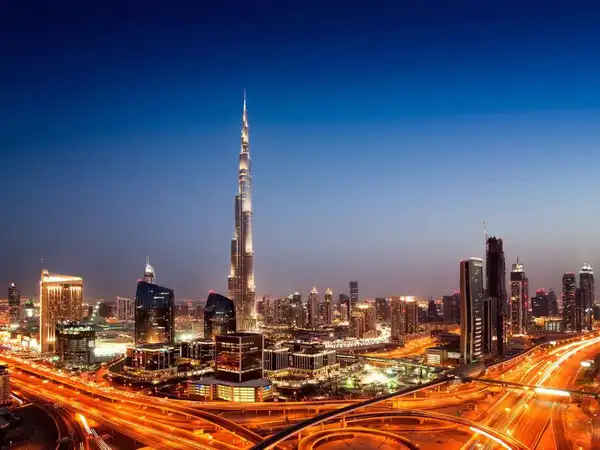
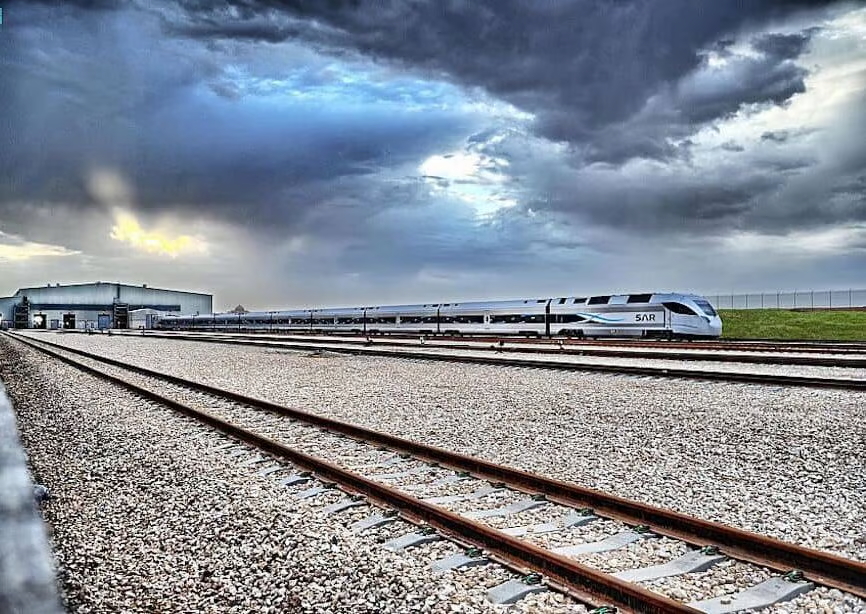
Robust infrastructure is crucial for attracting tourists. Authorities are focusing on enhancing transportation networks, including airports, roads, and public transit systems. Improved infrastructure will facilitate easier access to tourist attractions and amenities, making travel within the region more convenient and enjoyable.
Cultural Heritage Promotion
With a rich tapestry of history and culture, the GCC region has much to offer. Authorities are keen on promoting cultural heritage through festivals, museums, and cultural events. By highlighting local traditions and crafts, they can create immersive experiences that resonate with travelers seeking authentic connections.
Sustainable Tourism Practices
Sustainability is at the forefront of modern tourism strategies. GCC tourism authorities are increasingly prioritizing eco-friendly practices to preserve the natural environment. This includes promoting sustainable tourism initiatives, such as eco-resorts and conservation programs, that appeal to environmentally conscious travelers.
Technology and Innovation
The integration of technology in tourism is transforming the way travelers plan and experience their trips. From smart tourism applications to virtual reality experiences, GCC authorities are exploring innovative solutions that enhance the visitor experience. By adopting cutting-edge technology, they can provide personalized services and streamline operations, making travel more efficient.
Collaborative Efforts Across GCC Nations
One of the most compelling aspects of the extended planning horizon is the collaborative spirit among GCC nations. By working together, these countries can share insights and strategies that benefit the entire region.
Joint marketing campaigns and cross-border tourism initiatives are just a few examples of how collaboration can amplify the impact of individual countries’ efforts. This unified approach not only strengthens the overall tourism offering but also fosters a sense of regional identity and pride.
Anticipating Future Trends
The travel and tourism sector is continuously evolving, influenced by changing consumer preferences and global events. By extending their planning horizon, GCC tourism authorities can better anticipate and adapt to these trends.
For example, the rise of wellness tourism, adventure travel, and experiential trips are trends that GCC nations can capitalize on. By aligning their offerings with these emerging interests, they can attract a broader range of tourists looking for unique experiences.
Conclusion: A Bright Future for GCC Tourism
The announcement of an extended planning horizon by GCC tourism authorities marks an exciting chapter for the region’s tourism sector. With the 27th Arabian Gulf Cup on the horizon, there is a renewed focus on creating sustainable, culturally rich, and innovative tourism experiences.
As GCC nations come together to enhance their tourism strategies, the potential for growth and development is immense. By investing in infrastructure, promoting cultural heritage, adopting sustainable practices, and embracing technology, they will not only prepare for the upcoming tournament but also set the stage for a vibrant tourism future that benefits everyone involved.
The extended planning horizon is a testament to the commitment of GCC tourism authorities to foster a thriving tourism industry that will resonate for generations to come.
Do follow Gulf Magazine on Instagram
Also Read – Saudi Arabia Strengthens Credit Framework to Boost Business

