

The Gulf Cooperation Council (GCC) tourism sector is embarking on an ambitious journey to create a unified strategy aimed at enhancing the visitor experience across its member states. As global travel continues to evolve, the GCC recognizes the need to adapt and innovate, ensuring that the region stands out as a premier destination for tourists from around the world. This strategic move not only aims to attract more visitors but also to promote cultural exchange and sustainable tourism practices.
Understanding the Need for a Unified Strategy
As tourism grows increasingly competitive, the GCC countries are keenly aware of the importance of a unified approach. Each nation in the GCC—Saudi Arabia, the UAE, Qatar, Kuwait, Oman, and Bahrain—has unique attractions and experiences to offer. However, a fragmented strategy can dilute the overall appeal of the region.
By collaborating and aligning their efforts, the GCC tourism sector aims to create a seamless travel experience that encourages visitors to explore multiple destinations. This approach enhances the attractiveness of the region, making it easier for tourists to plan their itineraries and discover the rich cultural heritage and stunning landscapes that the GCC has to offer.
Key Elements of the Unified Strategy
The unified strategy being developed by the GCC tourism sector focuses on several key elements that are essential for creating a memorable visitor experience.
Enhanced Marketing Efforts
One of the primary components of the strategy is a coordinated marketing campaign that highlights the diverse offerings of each member state. This initiative will involve joint promotional activities, social media campaigns, and collaborative events that showcase the unique attractions, cuisines, and cultures of the GCC countries.
Streamlined Visa Processes
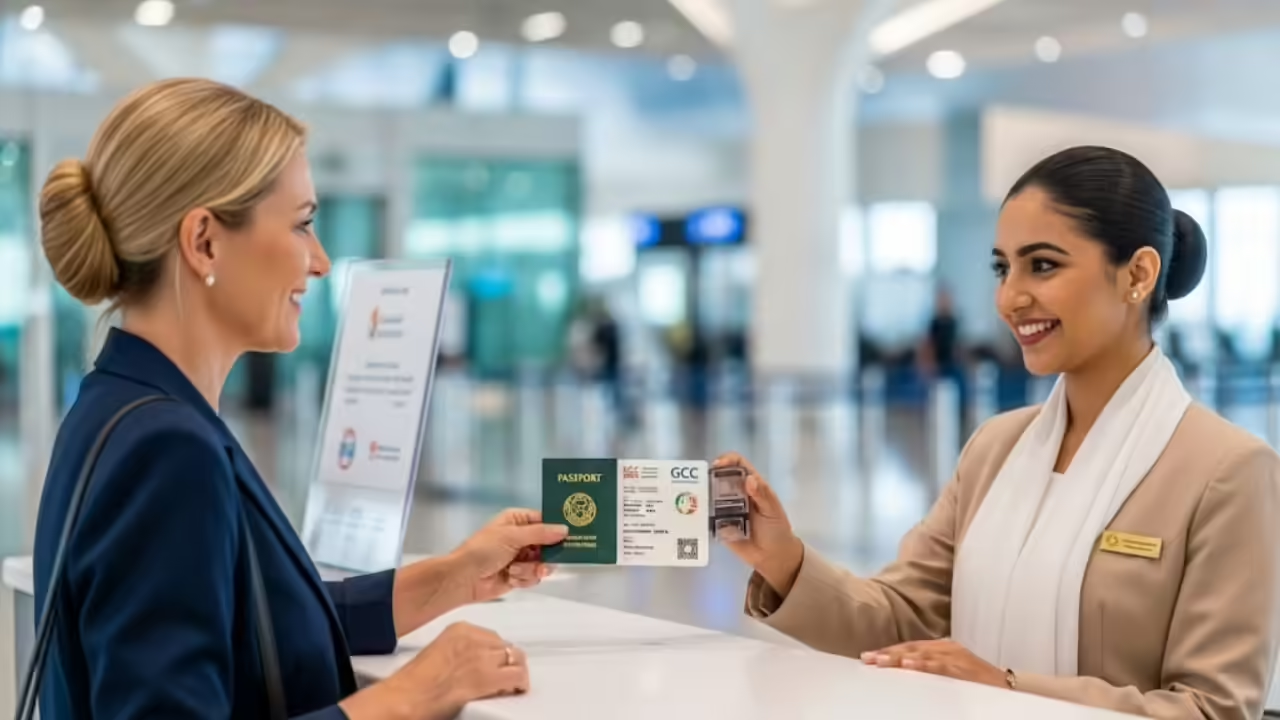
To facilitate easier access for tourists, the GCC plans to enhance visa processes across its member states. A simplified and more efficient visa system will encourage travelers to visit multiple countries within the region without the hassle of navigating different regulations. This initiative aims to boost tourism by removing barriers and making travel more accessible.
Focus on Sustainable Tourism
The GCC tourism sector is also committed to promoting sustainable practices that protect the environment while supporting local communities. The unified strategy will incorporate eco-friendly initiatives, such as promoting green hotels, sustainable transportation options, and conservation programs that preserve the natural beauty of the region.
Cultural Exchange Programs
Cultural exchange is a vital aspect of the GCC’s unified strategy. By promoting cultural events, festivals, and exhibitions, the region aims to foster greater understanding and appreciation among tourists. These programs will provide visitors with authentic experiences, showcasing the rich heritage and traditions of the GCC countries.

The Role of Technology in Tourism
Technology plays a crucial role in the GCC tourism sector’s unified strategy. The introduction of advanced digital platforms will enhance the overall visitor experience. From mobile applications that provide real-time information about attractions to virtual tours that give potential visitors a taste of what to expect, technology is set to revolutionize how tourists interact with the region.
Moreover, data analytics will help tourism authorities better understand visitor preferences and behaviors, allowing them to tailor offerings and improve services continually. This data-driven approach will ensure that the GCC tourism sector remains responsive to the ever-changing needs of travelers.
Collaboration Among GCC Member States
The success of the unified strategy hinges on effective collaboration among the GCC member states. Regular meetings and workshops will facilitate the sharing of best practices, challenges, and successes. By working together, the countries can leverage their strengths, creating a cohesive tourism brand that resonates with international audiences.
This collaborative spirit extends beyond government entities to include private sector stakeholders, such as hotels, airlines, and tour operators. By engaging these players in the planning process, the GCC tourism sector can ensure that the strategy is comprehensive and addresses the needs of all parties involved.
Anticipated Impact of the Unified Strategy
The anticipated impact of the GCC tourism sector’s unified strategy is substantial. By presenting a united front, the region is poised to attract a larger share of global travelers. Increased tourism will lead to economic growth, job creation, and enhanced cultural exchanges, benefiting local communities and economies across the GCC.
Furthermore, the emphasis on sustainable practices will position the GCC as a responsible tourism destination. As travelers increasingly seek eco-friendly options, the region’s commitment to sustainability will resonate positively with a growing segment of environmentally conscious tourists.
Conclusion: A Bright Future for GCC Tourism
As the GCC tourism sector prepares to implement its unified strategy for visitors, the future looks promising. By embracing collaboration, innovation, and sustainability, the region aims to redefine what it means to travel in the Gulf. The initiative not only seeks to boost tourism numbers but also to create enriching experiences for visitors, fostering cultural connections that transcend borders.
With a clear focus on enhancing the visitor experience, the GCC is set to emerge as a top-tier destination on the global tourism map. The unified strategy paves the way for a vibrant and dynamic tourism landscape that celebrates the uniqueness of each member state while offering a cohesive experience for all who visit.
Do follow Gulf Magazine on Instagram.
Also Read – GCC Visa Program Postponed: New Launch Updates 2026

