

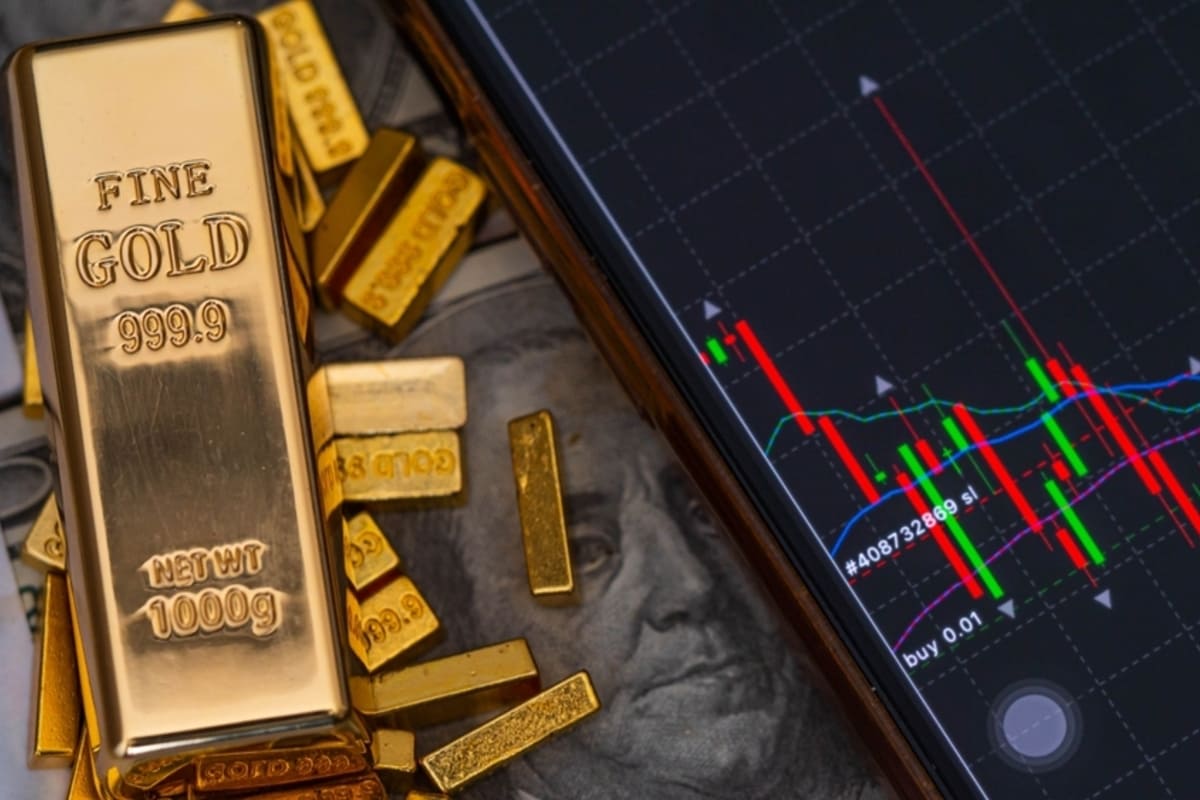
In the realm of precious metals, gold has always held a special allure, especially in the Gulf region. Understanding how current Gulf gold rates compare across Saudi Arabia, Qatar, Kuwait, and Oman can help investors, collectors, and casual buyers make informed decisions. As these nations share cultural ties and economic interests, their gold markets often reflect both local and international trends. Let’s delve into the latest gold rates and discover what they mean for stakeholders in these countries.
The Gold Market Landscape in the Gulf Region
Gold prices in the Gulf countries are influenced by various factors, including global economic conditions, currency fluctuations, and local demand. Each country has its own unique characteristics when it comes to buying and selling gold.
In Saudi Arabia, gold is not just a commodity but a part of cultural practices, especially during weddings and festivals. On the other hand, Qatar has increasingly become a hub for gold trading, attracting both regional and international buyers.
Kuwait and Oman, while smaller in size, also play significant roles in the gold market. In these nations, gold is seen as a secure investment, often purchased for both personal use and as a hedge against inflation.
Current Gulf Gold Rates Overview
As of now, current gold rates vary across Saudi Arabia, Qatar, Kuwait, and Oman. While the gold price is generally similar due to the global market’s influence, local factors can create slight discrepancies.
In Saudi Arabia, the gold rate reflects a blend of local demand and international pricing. The country’s rich history with gold means that the market is robust and dynamic, with numerous retailers offering various options.
In Qatar, the gold rate tends to be competitive, with the government’s support of the gold trade encouraging growth. The country’s tax policies and regulations also make it an attractive market for buyers.
Meanwhile, Kuwait’s gold market is characterized by a mix of traditional craftsmanship and modern retail. The rates here are often slightly lower due to the absence of certain taxes, making it appealing for both locals and expatriates.
Oman, too, has its unique market dynamics. The Sultanate’s gold rates are influenced by both local demand and international trends, but the market is smaller compared to its neighbors.

Factors Influencing Gold Rates in the Gulf
Understanding how current Gulf gold rates compare across these countries requires looking at what influences these prices. Key factors include:
Economic Stability: The overall economic health of each country can impact gold prices. For instance, during periods of economic uncertainty, gold often sees increased demand as a safe haven.
Exchange Rates: As gold is traded in US dollars, fluctuations in currency values can affect pricing. A stronger local currency against the dollar can lead to lower local gold prices.
Cultural Context: In societies where gold is an integral part of tradition and celebration, demand can spike during specific times, influencing prices.
Government Policies: Taxation and import duties can either encourage or deter gold purchases, affecting local rates.
Comparing Gold Rates: Saudi Arabia, Qatar, Kuwait, and Oman
When comparing current Gulf gold rates, it’s essential to consider both the price of pure gold and the additional costs associated with jewelry making and design.
In Saudi Arabia, the price of 24K gold per gram typically ranges higher compared to other Gulf states due to its popularity and demand for gold jewelry. The local retailers offer a wide range of options, from traditional designs to modern aesthetics.
Qatar’s gold rates for 24K gold are often close to those in Saudi Arabia but can slightly differ based on local demand. The country’s emphasis on quality and purity ensures that buyers receive excellent value.
Kuwait’s rates may be more favorable, especially for those looking for smaller quantities. The competitive market and lower operational costs allow consumers to find attractive deals.
Oman generally has slightly higher rates due to a smaller market and less competition. However, the quality of gold and craftsmanship can justify the prices, particularly for handmade pieces.

Making Informed Decisions in Gold Purchases
When considering how current Gulf gold rates compare, buyers should focus on several aspects:
Research: Stay updated on daily gold rates and trends, as they can change frequently. Understanding the market can help buyers time their purchases wisely.
Quality: Always check for purity marks and certifications. The quality of gold can significantly impact its value and resale potential.
Local Jewellers: Building a relationship with local jewellers can offer insights into upcoming trends and special deals.
Cultural Significance: Recognizing the importance of gold in cultural traditions can help buyers appreciate the craftsmanship behind the pieces they are considering.
Conclusion: Navigating the Gold Market in the Gulf
In summary, understanding how current Gulf gold rates compare across Saudi Arabia, Qatar, Kuwait, and Oman is crucial for anyone interested in purchasing gold. Each country’s unique market dynamics and cultural significance contribute to the overall landscape of gold trading in the region. By staying informed and considering local factors, buyers can make educated decisions that align with their needs and values.
Do follow Gulf Magazine on Instagram.
Also Read – Global Tourism Trends Impacting Gulf Visa Policies

