

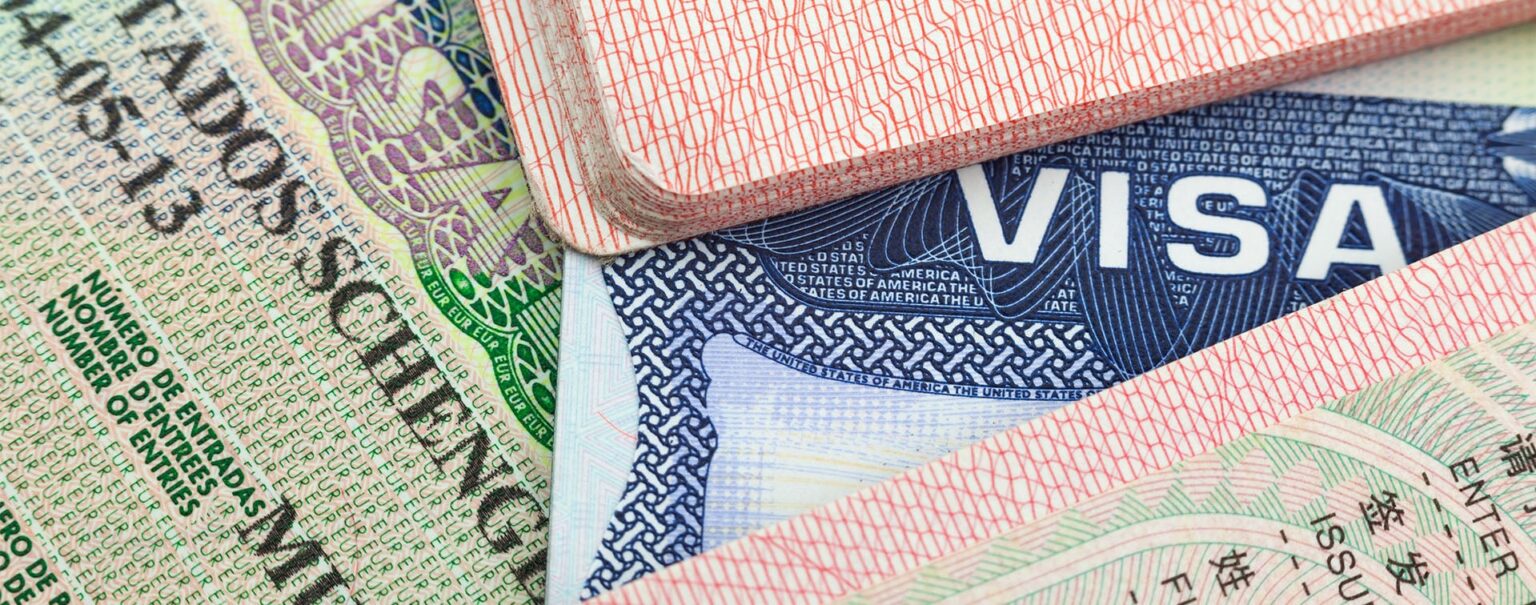
The landscape of global tourism is continuously evolving, with visa policies playing a pivotal role in shaping travel accessibility. Recent developments in global tourism have significantly influenced how countries, especially in the Gulf region, approach visa regulations. Understanding these changes is essential for travelers looking to explore the vibrant cultures and stunning landscapes of Gulf nations.
This article delves into the global tourism developments affecting visa policies and Gulf travel access, highlighting the implications for both tourists and the regional economy.
How Global Tourism Trends Influence Visa Policies
In the past few years, global tourism has experienced a remarkable resurgence, prompting countries to reassess their visa policies. Nations are now more inclined to simplify their entry requirements to attract international travelers. This shift is driven by several factors.
Firstly, increased competition among tourist destinations has led countries to adopt more flexible visa regimes. As travelers seek diverse experiences, nations are keen to enhance their appeal by introducing features such as e-visas and visa-on-arrival options.
Secondly, the COVID-19 pandemic has accelerated the need for streamlined processes. Countries are now focused on ensuring safe and efficient travel, which includes revisiting outdated visa frameworks. The desire to foster economic recovery through tourism has pushed many governments to rethink their visa regulations.
The Gulf Region’s Response to Changing Visa Policies
The Gulf nations, known for their rich heritage and modern attractions, have been particularly proactive in adapting their visa policies. Countries like Saudi Arabia, the UAE, and Qatar are leading the charge in reshaping travel access to their territories.
For instance, Saudi Arabia’s introduction of the e-visa has made it significantly easier for tourists to visit the country. This initiative aligns with the nation’s Vision 2030 plan, aimed at diversifying the economy and boosting tourism. The e-visa system allows travelers to apply online, reducing the complexity and time associated with traditional visa applications.
Similarly, the UAE has continually innovated its visa offerings to cater to a diverse range of travelers. The introduction of long-term visas, such as the Golden Visa, has attracted expatriates and investors, further enriching the local economy.
Qatar is also enhancing its visa framework, especially in anticipation of global events like the FIFA World Cup. The nation is committed to creating a seamless travel experience, which includes simplifying entry for tourists and providing multiple visa options.
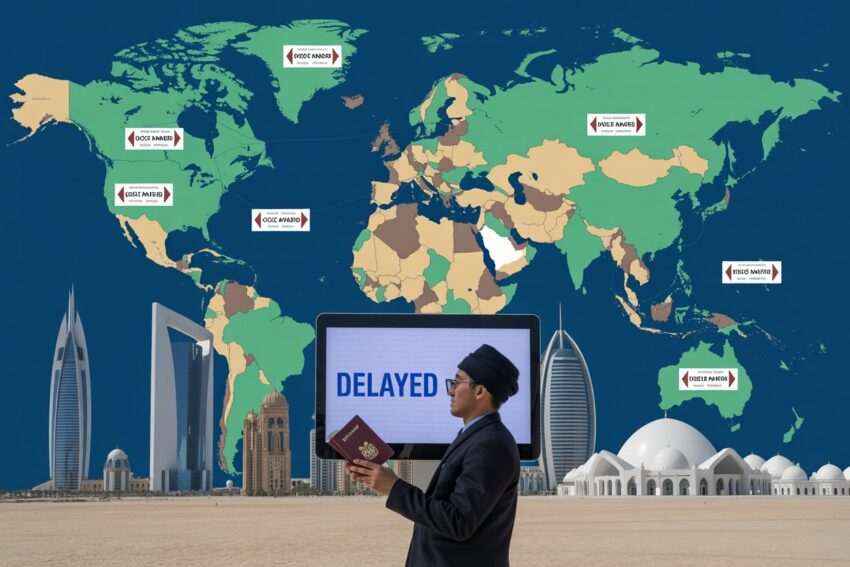
The Social and Economic Implications of Eased Visa Regulations
Eased visa regulations in the Gulf region have profound social and economic implications. On the economic front, increased tourism leads to a surge in revenue from various sectors, including hospitality, retail, and entertainment. The influx of visitors not only stimulates local businesses but also creates job opportunities for residents.
Socially, more accessible travel fosters cultural exchange and understanding. Tourists visiting Gulf countries enrich local communities with diverse perspectives and experiences. This cultural interaction plays a crucial role in promoting tolerance and appreciation of different lifestyles.
Moreover, as Gulf nations enhance their visa policies, they become more competitive on the global stage. This competitiveness not only attracts tourists but also encourages foreign investment, further boosting the economy.
Challenges and Considerations in Gulf Travel Access
While the developments in visa policies present numerous advantages, challenges remain. Security concerns, geopolitical tensions, and the management of tourist influx are critical factors that governments must navigate.
For instance, while streamlining visa processes aims to attract more visitors, ensuring the safety and security of both residents and tourists is paramount. Governments must strike a balance between openness and security, implementing robust measures without creating bureaucratic hurdles.
Additionally, as tourism grows, so does the strain on local infrastructure. Gulf countries must invest in sustainable tourism practices to ensure that their natural and cultural assets are preserved for future generations. This includes developing efficient transportation systems and promoting eco-friendly tourism initiatives.
Future Prospects for Visa Policies in Gulf Nations
As global tourism continues to evolve, the Gulf region is poised to further innovate its visa policies. The ongoing digital transformation is likely to play a significant role in this evolution.
We can expect more countries in the Gulf to embrace technology, offering enhanced digital services for visa applications and information dissemination. Artificial intelligence and data analytics will likely be integrated into visa processes, making them more efficient and user-friendly.
Furthermore, as the world becomes increasingly interconnected, the Gulf nations may explore regional agreements that facilitate easier travel among member states. Such collaborations can create a unified approach to tourism, enhancing the overall travel experience for visitors.
Conclusion: Navigating the New Era of Travel in the Gulf
Global tourism developments are reshaping visa policies and travel access in the Gulf region. Countries are recognizing the importance of simplifying entry requirements to attract more visitors, thereby stimulating their economies and fostering cultural exchange.
As travelers look to explore the rich offerings of Gulf nations, understanding these visa policy changes becomes essential. With continuous advancements on the horizon, the future of travel in the Gulf appears promising, paving the way for a more accessible and enjoyable experience for all.
Do follow Gulf Magazine on Instagram.
Also Read – Financial Markets Watch Gold Price Movements This Winter

