

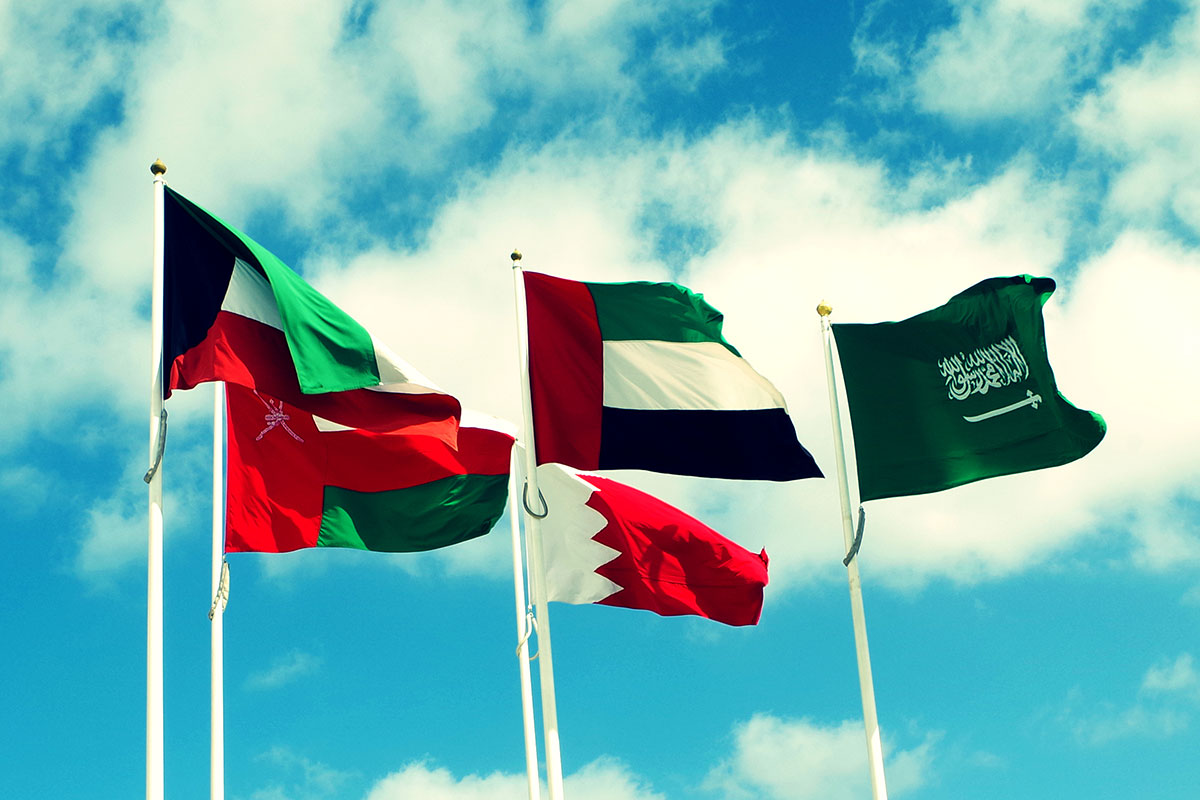
The Gulf Cooperation Council (GCC) region is on the verge of a significant financial transformation, with public spending projected to reach an impressive $542 billion by 2025. This remarkable increase reflects the region’s commitment to economic diversification, infrastructure development, and enhanced public services. In this article, we will explore the reasons behind this surge in spending, its implications for the GCC countries, and the sectors that will benefit the most.
Understanding the GCC’s Economic Landscape
The GCC comprises six member states: Saudi Arabia, the United Arab Emirates, Qatar, Kuwait, Oman, and Bahrain. These nations have historically relied heavily on oil revenues. However, the volatility of oil prices has prompted them to rethink their economic strategies. The projected public spending is a testament to their efforts to reduce dependence on oil and invest in sustainable growth.
The GCC countries are diversifying their economies by investing in sectors such as tourism, technology, healthcare, and renewable energy. This shift is not only essential for long-term sustainability but also crucial for creating job opportunities and improving the quality of life for their citizens.
Key Drivers of Increased Public Spending
Several factors are driving the GCC public spending towards the projected $542 billion mark:
Economic Diversification Initiatives
The GCC nations have launched various initiatives aimed at diversifying their economies. Saudi Arabia’s Vision 2030 and the UAE’s Vision 2021 are prime examples of strategic plans focused on reducing oil dependency. Investments in non-oil sectors are expected to create a multitude of job opportunities and stimulate economic growth.
Infrastructure Development
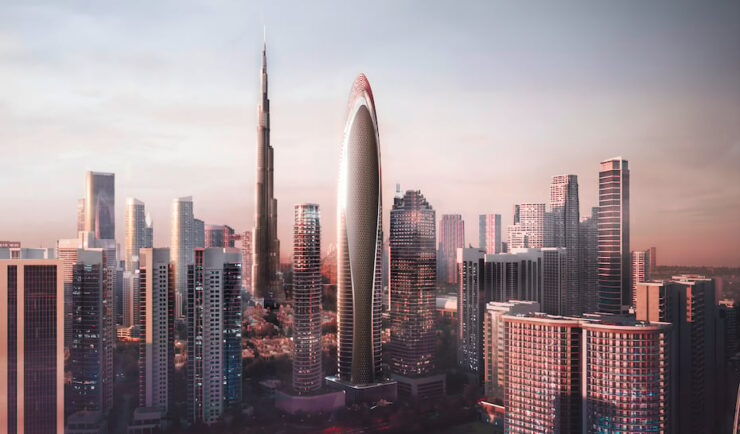
Infrastructure projects are a major component of public spending in the GCC. The region is investing heavily in transportation networks, smart cities, and public facilities. These developments not only boost the economy but also enhance the overall living standards for residents.

Education and Healthcare Enhancement
An emphasis on improving education and healthcare services is leading to increased public expenditure. The GCC countries recognize that investing in human capital is vital for achieving sustainable development. Enhanced education and healthcare systems will prepare the workforce of tomorrow and increase the overall productivity of the region.
Technological Advancements
The GCC is also focusing on technological advancements as a key driver of its future economy. Significant investments in innovation and technology infrastructure are expected, helping to build a knowledge-based economy. This will not only enhance public services but also attract foreign investment.
Sectoral Impacts of Increased Spending
As GCC public spending is projected to rise to $542 billion by 2025, certain sectors are poised to benefit significantly:
Construction and Real Estate
With numerous infrastructure projects in the pipeline, the construction and real estate sectors are likely to see substantial growth. Major cities are expanding, and new developments are emerging, leading to job creation and economic stimulation.
Renewable Energy
Investments in renewable energy are becoming a priority for GCC nations. As they aim for sustainable energy solutions, public spending in this sector is expected to grow, positioning the region as a leader in green energy.
Tourism and Hospitality
The GCC is investing heavily in tourism and hospitality as part of its diversification efforts. Major events, including the upcoming Arabian Gulf Cup, are expected to attract visitors and generate revenue, further supporting the economy.
Technology and Innovation
The focus on technology is leading to increased public spending in research and development. This will not only foster innovation but also create a favorable environment for startups and tech companies to thrive.
The Future of GCC Public Spending
The projected $542 billion in public spending by 2025 is not just a number; it represents a vision for the future of the GCC. As these countries continue to invest in diversification and modernization, they are laying the groundwork for a robust economy that can withstand global fluctuations.
The impact of this spending will extend beyond immediate economic benefits. It will improve the quality of life for citizens, create jobs, and foster a culture of innovation. As the GCC looks ahead, the commitment to sustainable growth will be crucial in ensuring a prosperous future for the region.
Conclusion: A Promising Outlook for the GCC
In conclusion, the GCC public spending projected to hit $542 billion in 2025 underscores the region’s determination to embrace economic diversification and modernization. With strategic investments in infrastructure, education, healthcare, and technology, the GCC is setting the stage for a bright and sustainable future. The journey toward achieving this ambitious spending goal is just beginning, and the potential for growth and development is immense.
Do follow Gulf Magazine on Instagram.
Also Read – Saudi Aramco’s $4Bn Bond Sale Attracts Strong Investors

